






Iran Grapples with Economic Crisis as War with US Enters Seventh Month
TEHRAN – Iranian leadership has publicly acknowledged the severe economic strain caused by six months of intense conflict with the United States. President Masoud Pezeshkian confirmed on Saturday that the combined impact of stringent US sanctions and a tightening naval blockade on Iranian ports has caused the nation’s foreign trade to plummet by nearly 35 percent.
The admission marks a sobering moment for a country grappling with the economic toll of a war that began on February 28. Despite the shrinking trade figures, President Pezeshkian noted that Tehran successfully navigated a narrow window of opportunity in June, offloading approximately 90 million barrels of oil under a short-lived Memorandum of Understanding (MoU) with Washington.
Daily Life in Turmoil
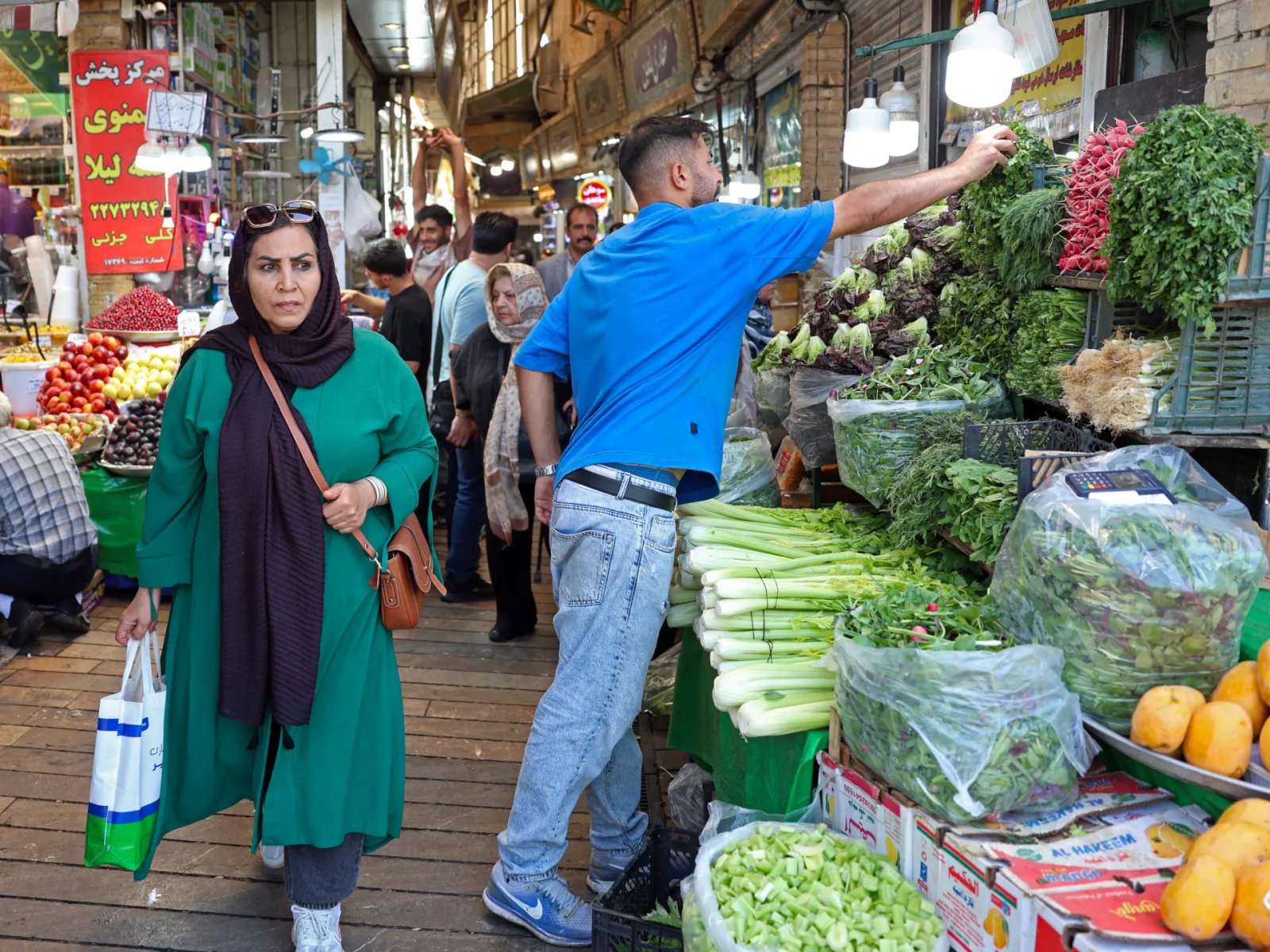
The human cost of the conflict is increasingly visible on the streets of Tehran. With annual inflation soaring to 66 percent last month, residents report that the basic necessities of life have become luxuries.
“Everything has become so expensive,” said Maryam, a Tehran resident who was forced into the workforce by the economic pressures of the war. Business owners echo these sentiments, citing a drying up of trade and unsustainable rent hikes that make keeping doors open nearly impossible.
In a written statement, Supreme Leader Ayatollah Mojtaba Khamenei—who ascended to power following the death of his father, Ayatollah Ali Khamenei, in the initial February strikes—urged the government to prioritize the “livelihood challenges” of the Iranian people. He specifically called for aggressive management of inflation, unemployment, and the volatility of goods and services.
A Dual Strategy: Diplomacy and Defense
In response to the mounting pressure, the Iranian government has unveiled a two-pronged strategy, describing diplomacy and defense as “two complementary, coordinated and inseparable wings” of national security.
While the administration signals a willingness to engage in dialogue—highlighted by recent “creative” talks with Qatari Prime Minister Sheikh Mohammed bin Abdulrahman bin Jassim Al Thani—the military remains defiant. Iran continues to assert control over the strategic Strait of Hormuz, a critical artery for global energy supplies.
Military officials have brushed aside reports of degraded capabilities. Army commander-in-chief Amir Hatami insisted that despite sustained efforts by the “enemy” to dismantle Iran’s missile and drone programs, the country’s stockpiles have been deployed with “utmost intensity.” Furthermore, Acting Defence Minister Majid Ibn Reza teased potential tactical shifts, warning that adversaries would soon face “surprises” from Iran’s military forces.
Balancing Regional Relations
Despite the rhetoric of confrontation, there are signs of an attempted pivot toward de-escalation. President Pezeshkian has advocated for a more cooperative stance with regional neighbors, seeking to lower tensions in a volatile neighborhood.
As Tehran attempts to navigate a path between external military pressure and internal economic collapse, the government’s challenge remains clear: maintaining the domestic social cohesion the Supreme Leader demands while attempting to stabilize an economy battered by half a year of total war.