





Trump Announces “Biggest Oil Deal in World History” with Venezuela
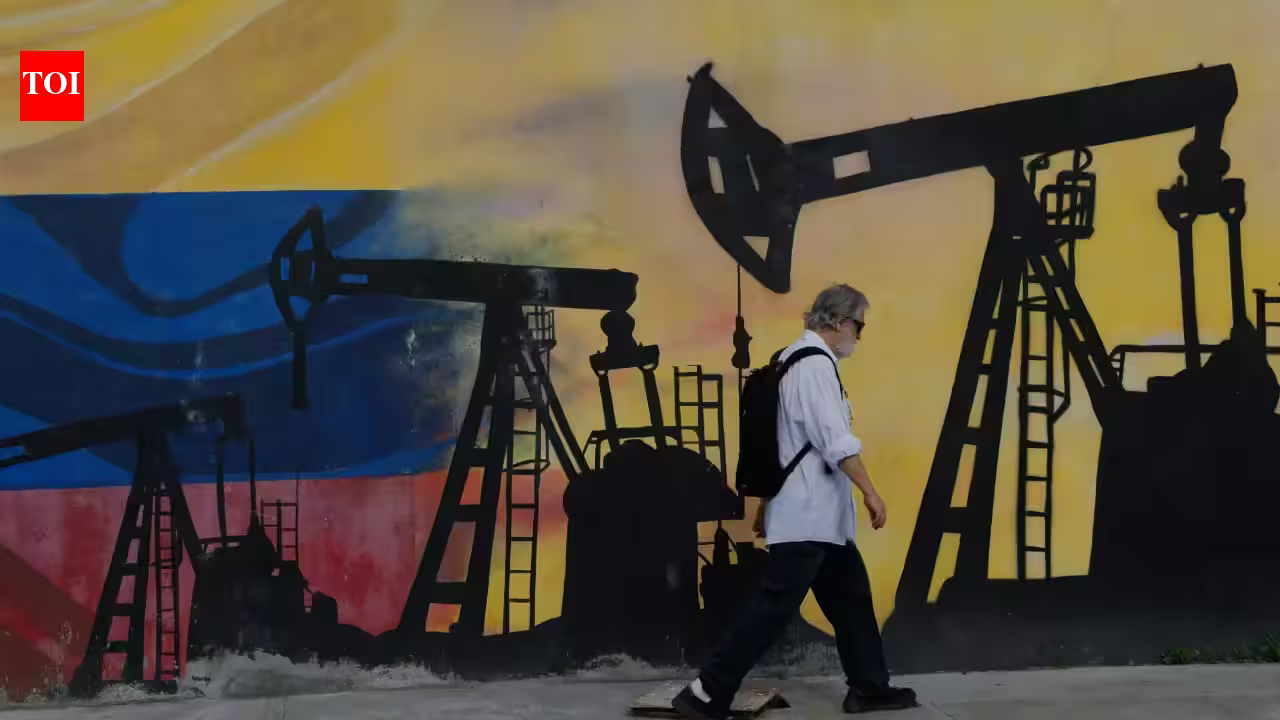
US President Donald Trump has unveiled a sweeping energy pact with Venezuela, a move he describes as “the biggest oil deal in world history.” The agreement, intended to revitalize Venezuela’s long-struggling petroleum sector, promises to leverage the nation’s vast, untapped reserves to drive economic recovery and bolster US energy security.
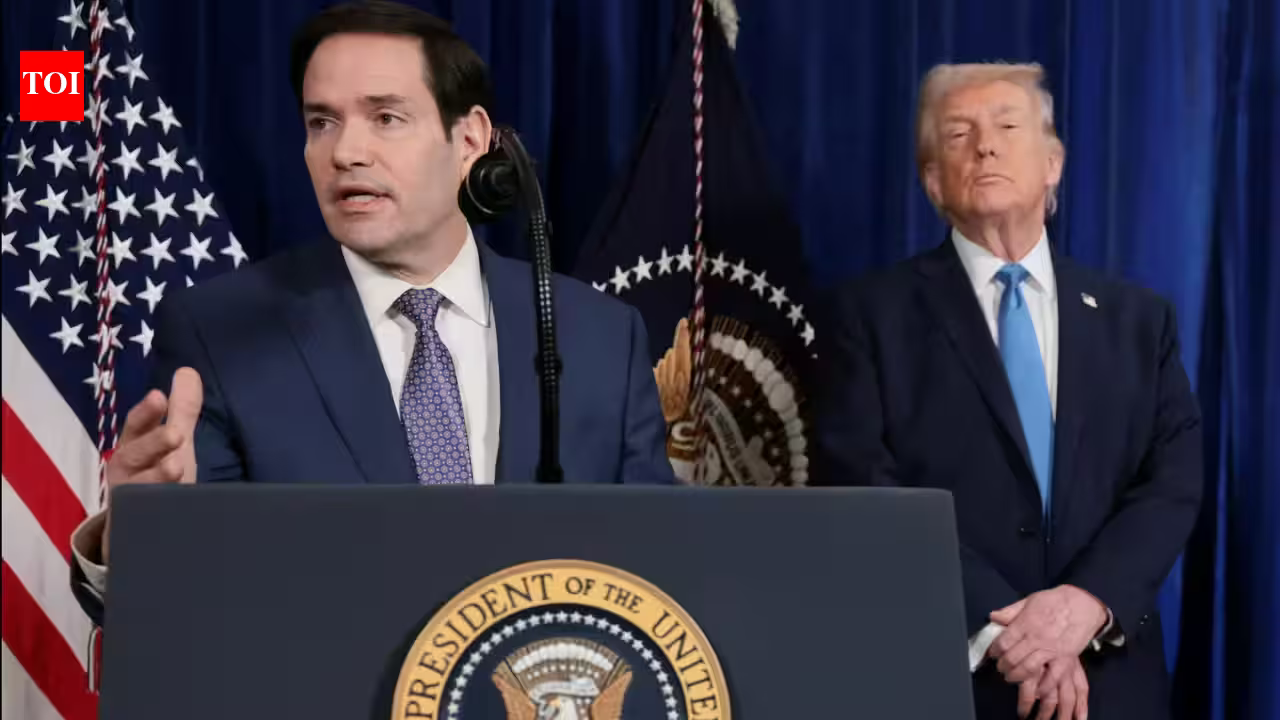
Venezuelan interim President Delcy Rodriguez confirmed that the energy pact is set for a 25-year duration. According to reports, the deal was orchestrated by key members of the Trump administration, including Secretary of State Marco Rubio and Defense Secretary Pete Hegseth, alongside Venezuelan leadership.
The Scope of the Agreement
At the heart of the agreement is a newly formed entity created by the US government and an undisclosed private operator. This company has secured rights to 17 untapped oil fields for a period of 100 years. The project carries ambitious targets, aiming to ramp up Venezuela’s daily production to 1.5 million barrels.
Financially, the deal seeks to draw $100 billion in investment into Venezuela’s infrastructure, with projections suggesting it could generate upwards of $209 billion in tax revenue for Caracas. Furthermore, The Wall Street Journal reports that the US government intends to acquire a 35% passive stake in North American Blue Energy Partners, a firm controlled by Venezuelan businessman Alejandro Betancourt.
The US stands to gain significantly from this partnership, with entitlements to 55% of the new venture’s effective output. Sources indicate that this oil is earmarked for US strategic reserves and military usage. If successful, the venture would position itself as the second-largest corporate holder of proven oil reserves globally, trailing only Saudi Aramco.
Economic Impact and Realities
While President Trump has framed the deal as a solution to rising US gasoline prices, industry experts are urging caution. Venezuela’s existing oil infrastructure has suffered from years of neglect and requires massive capital infusion and extensive repairs before significant production gains can be realized.
“It’s going to take time—many years—to deploy that much capital and produce the kind of incremental results that history suggests possible,” noted Kevin Book, managing director at ClearView Energy Partners. Amy Myers Jaffe of New York University echoed these sentiments, noting that while the agreement may be beneficial in the long term, it is unlikely to provide immediate relief to American consumers at the pump.
Political Backlash
The announcement has sparked intense debate within Venezuela. Critics view the pact as a desperate move by the current administration to maintain its grip on power. Many citizens and political analysts alike have labeled the agreement a “shameful deal,” questioning its legitimacy.
Ricardo Hausmann, a professor at Harvard University and a former Venezuelan planning minister, stated, “Venezuelans will not respect this illegitimate deal and no major US oil company will take it seriously because they know it will not last.”
Despite the skepticism, Rodriguez maintains that the agreement will transform Venezuela’s oil from an “inert, cold statistic” into tangible benefits for the population. She emphasized that the investment is intended to fund reconstruction efforts following recent natural disasters and improve access to essential public services.
As the administration continues to frame this as a historic shift, the international community remains focused on whether such a massive US-Venezuela deal can survive the volatile political and economic landscape of the region.