








The Emergence of Hush: Valorant’s Next Tactical Duelist
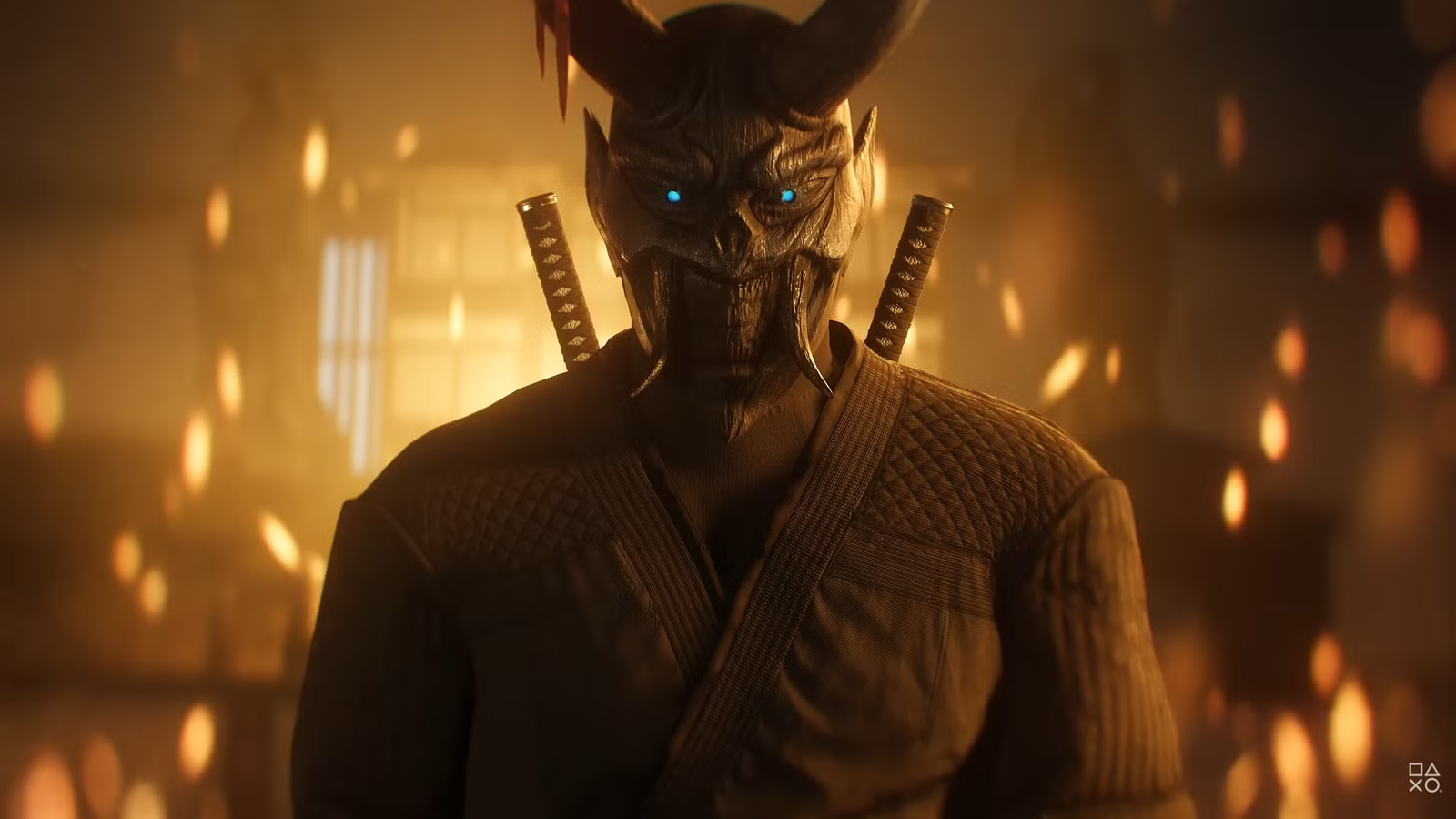
Riot Games has officially confirmed the addition of Hush, the 31st agent to join the tactical shooter Valorant. Categorized as a Duelist, Hush arrives at a pivotal moment in the game’s meta, promising to alter how teams approach site entry and aggressive map control. While Riot Games has maintained a shroud of secrecy regarding her specific ability kit, the developer has scheduled the full cinematic reveal for the Valorant Champions Shanghai Grand Final. This strategic timing highlights the significance of the character’s introduction, positioning her as a central figure in the evolution of the professional competitive landscape.
The role of a Duelist in Valorant is inherently high-stakes, focusing on self-sufficiency and the ability to initiate combat scenarios. Hush joins a roster currently dominated by high-mobility characters like Jett, Raze, and Neon. For players, the introduction of a new Duelist signals a shift in the requirements for team composition. Industry analysts anticipate that Hush will bridge the gap between pure mobility and tactical disruption, potentially shifting the focus away from hyper-speed movement toward area-of-effect management and sensory denial.
Anticipating the Ability Suite
Although the technical specifics of Hush’s kit remain under wraps until the official reveal, the naming convention and the early teasers released by the studio provide clues regarding her functional role. In the context of tactical shooters, the moniker “Hush” implies themes of silence, stealth, and audio-based manipulation. If the agent’s kit aligns with these themes, players can expect mechanics that disrupt the auditory information crucial for high-level play.
In Valorant, sound is a core informational layer; footsteps, ability cues, and reload noises dictate rotations and defensive setups. An agent capable of muting, distorting, or mimicking audio signals could force a drastic reassessment of how teams defend and attack specific zones. If Hush possesses abilities that can silence her own movement or create false audio indicators, she would offer a unique utility that current Duelists lack. Such a kit would force opponents to rely more heavily on line-of-sight and radar pings rather than the traditional reliance on sound-based detection, effectively lowering the reliability of passive defensive strategies.
Impact on the Competitive Meta
The introduction of Hush is poised to create a significant ripple effect in professional esports. Currently, the professional meta is heavily dependent on specific agent combinations to secure map control. Teams often prioritize agents that can quickly clear corners or create space through explosive utility. Hush represents a departure from the “damage-first” Duelist archetype if her kit focuses on the suppression of information.
By prioritizing sensory denial over raw firepower, Hush could act as a counter-pick to hyper-aggressive defensive teams. Her arrival could signify a pivot toward more stealth-oriented team compositions where the Duelist acts as a scout and disrupter rather than just an entry-fragging machine. Coaches and professional analysts will likely spend the coming weeks simulating how Hush interacts with existing Controller and Initiator setups. If she can successfully mask team rotations or muffle the sound of a plant, she will become an indispensable asset in the high-pressure environment of professional tournaments.
Integrating New Technology into Character Design
Riot Games has consistently refined its approach to agent design, leveraging the underlying Unreal Engine architecture to introduce increasingly complex interactions. The development of Hush involves not only new 3D assets and character rigging but also backend systems that manage audio layering and state-based effects. The ability to dynamically alter the game’s soundscape while maintaining a balanced competitive experience requires precise development.
When Riot introduces new mechanics—such as those expected with Hush—the studio must balance the “fun factor” against the integrity of the game’s competitive ruleset. If an ability introduces a layer of audio occlusion, it must be predictable and fair. Developers must ensure that these new mechanics do not create bugs or unintended states that could lead to unfair advantages in ranked play. As VALORANT continues to grow, the integration of such high-level sensory mechanics reflects a move toward more nuanced combat interactions, requiring players to develop new skill sets that go beyond simple aim and movement mechanics.
The Shanghai Reveal and Community Reception
The decision to unveil Hush during the VALORANT Champions Shanghai Grand Final is a calculated move to capture maximum viewer engagement. By debuting the agent on the largest possible stage, Riot Games leverages the excitement of the event to build immediate interest in the new character. This live reveal allows the publisher to showcase not only the aesthetic design of the agent but also the intended playstyle through high-production cinematic sequences.
The reaction of the community to this reveal will be critical. Players will be assessing whether Hush offers enough utility to justify a permanent spot in the rotation or if her mechanics are too niche for general play. The success of an agent launch is usually measured by how quickly they see adoption in the ranked ladder. With Hush, the focus will remain on whether her information-suppression capabilities can redefine what it means to enter a site in VALORANT. As the dust settles after the Shanghai tournament, the community’s initial testing will determine if Hush marks the beginning of a new era of tactical play, or if she serves as a specialized addition to an already crowded roster of Duelists.
Disclaimer: This content is auto-generated for informational purposes only.
Source: Read Original News