









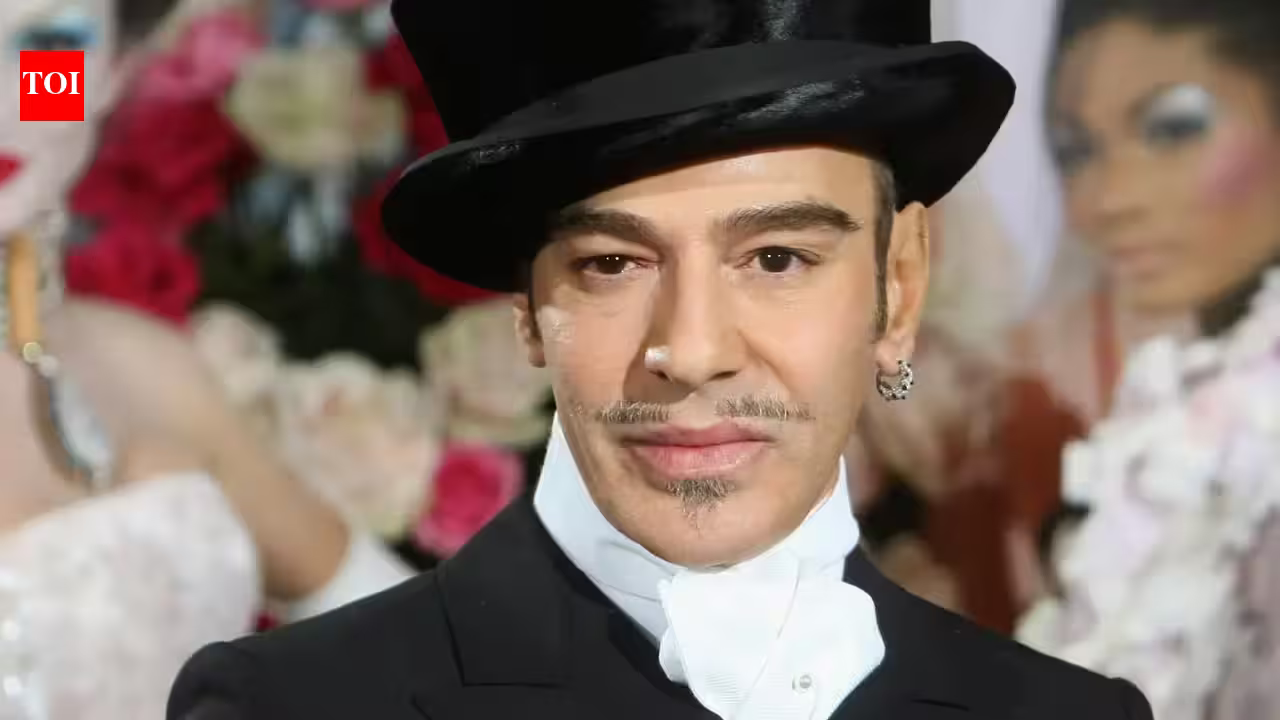
Met Museum Cancels Controversial John Galliano Exhibit Following Intense Public Backlash
NEW YORK — The Metropolitan Museum of Art has abruptly canceled its highly anticipated spring exhibition dedicated to British fashion designer John Galliano. The decision follows a wave of intense criticism from the Jewish community and public officials, who argued that celebrating the designer—given his history of antisemitic and racist behavior—was fundamentally inappropriate.
The exhibit, titled “John Galliano: Horizons,” was slated to be the centerpiece of the upcoming Met Gala 2027. However, in a joint statement released on Monday, the museum and the designer announced that the project would no longer move forward.
A Mutual Decision Amidst Public Outcry
Max Hollein, director and CEO of the Metropolitan Museum of Art, stated that the cancellation followed “thoughtful discussions” with Galliano. In a reflective statement, the designer acknowledged the hurt his past actions caused, particularly toward the Jewish and Asian communities.
“I remain fully accountable for the pain caused by my words in the past… and I remain deeply sorry for it,” Galliano said. “I have decided, with great sadness, that it is best for the exhibition not to take place at this time.”
A History of Controversy
John Galliano, once the creative director of Christian Dior, was a titan of the fashion industry before his career imploded in 2011. Viral video footage surfaced showing the designer making vile antisemitic and racist remarks at a Paris bar, including stating “I love Hitler” and telling Jewish patrons that their ancestors should have been “gassed.” The incidents led to his firing from Dior and a criminal conviction in France for antisemitism.
While Galliano spent over a decade attempting to rehabilitate his image—eventually securing a position at Maison Margiela—critics argued that his professional recovery should not be conflated with the right to be celebrated by one of the world’s most prestigious cultural institutions.
Advocacy and Accountability
The cancellation has been celebrated by community leaders who viewed the museum’s initial announcement as insensitive, especially during a period of rising global antisemitism.
New York City Council Speaker Julie Menin, who engaged in lengthy negotiations with the Met, praised the reversal. “As the daughter of a Holocaust survivor, and as the first Jewish speaker of the New York City Council, this decision was personal to me,” Menin said. “At this rising time of antisemitism, it had served as a gut punch to the Jewish community.”
Jonathan Greenblatt, CEO of the Anti-Defamation League, noted that while his organization had previously accepted Galliano’s apologies, the scale of the honor proposed by the Met was misguided. “Redemption doesn’t entitle someone to every honor that we have,” remarked Rabbi David Ingber, emphasizing that there is a stark difference between professional forgiveness and institutional celebration.
The Impact on the Met Gala
The controversy was further complicated by the calendar. The Met Gala traditionally occurs on the first Monday in May, which in 2027 coincides with Holocaust Remembrance Day. This scheduling conflict added further pressure to the museum to abandon the exhibition.
While the Met had initially attempted to mitigate concerns by promising to “forthrightly examine” the designer’s past, critics maintained that a solo exhibition—the highest honor the Costume Institute can bestow—was an inappropriate platform. With the project now shelved, the museum is expected to announce a replacement exhibition in the near future.