







Madhya Pradesh Launches Pilot Project to Deny Fuel to Uninsured Vehicles
BHOPAL – In a significant move to address the staggering number of vehicles operating without valid coverage, the Indian state of Madhya Pradesh has officially launched a pilot project that restricts petrol pumps from refuelling uninsured vehicles.
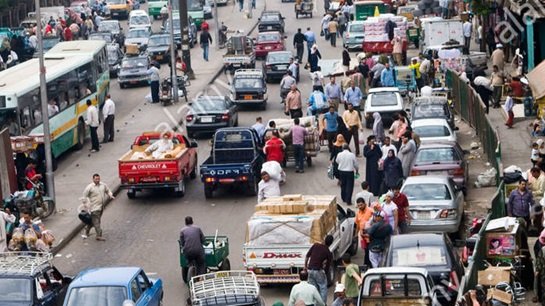
This initiative follows a direct mandate from India’s Supreme Court, which recently urged the central government to implement a “no insurance, no fuel” policy. The move is designed to bolster motor insurance penetration across the country, where current estimates indicate that nearly 56% of vehicles on the road remain uninsured. This lack of coverage often leaves accident victims facing financial ruin and caught in the middle of protracted, years-long legal battles.
Leveraging Technology for Compliance
The Supreme Court has directed the Insurance Regulatory and Development Authority of India (IRDAI) and the Ministry of Road Transport and Highways to collaborate on a technological framework to enforce this mandate. The proposed system involves linking insurance records with the national VAHAN portal, the country’s centralized vehicle registration database.
Under this framework, fuel stations would utilize automatic number plate recognition (ANPR) cameras to verify a vehicle’s insurance status in real-time. If the system confirms that a vehicle lacks valid insurance, the fuel supply would be restricted, effectively compelling owners to maintain their coverage.
Upholding the ‘Right to Life’
The judiciary has framed this issue as a critical matter of public welfare. The Supreme Court emphasized that mandatory third-party insurance, as outlined under Section 146 of the Motor Vehicles Act, is not merely a bureaucratic requirement. Rather, it is a safeguard linked to the “Right to Life” guaranteed under Article 21 of the Indian Constitution.
The Court noted that the primary objective of these regulations is to ensure that accident victims receive timely compensation without the burden of exhausting legal proceedings. By making insurance status a prerequisite for daily vehicle operation, the government aims to create a culture of compliance that protects all road users.
A Path Toward Road Safety
State officials in Madhya Pradesh believe that this pilot project will serve as a powerful deterrent against insurance lapses. By integrating real-time digital verification, the government hopes to simplify the identification of uninsured vehicles while ensuring that owners prioritize their renewals.
As the pilot gains momentum, it is expected to provide a blueprint for a nationwide rollout, potentially transforming road safety standards and legal accountability for motor accidents across India.