







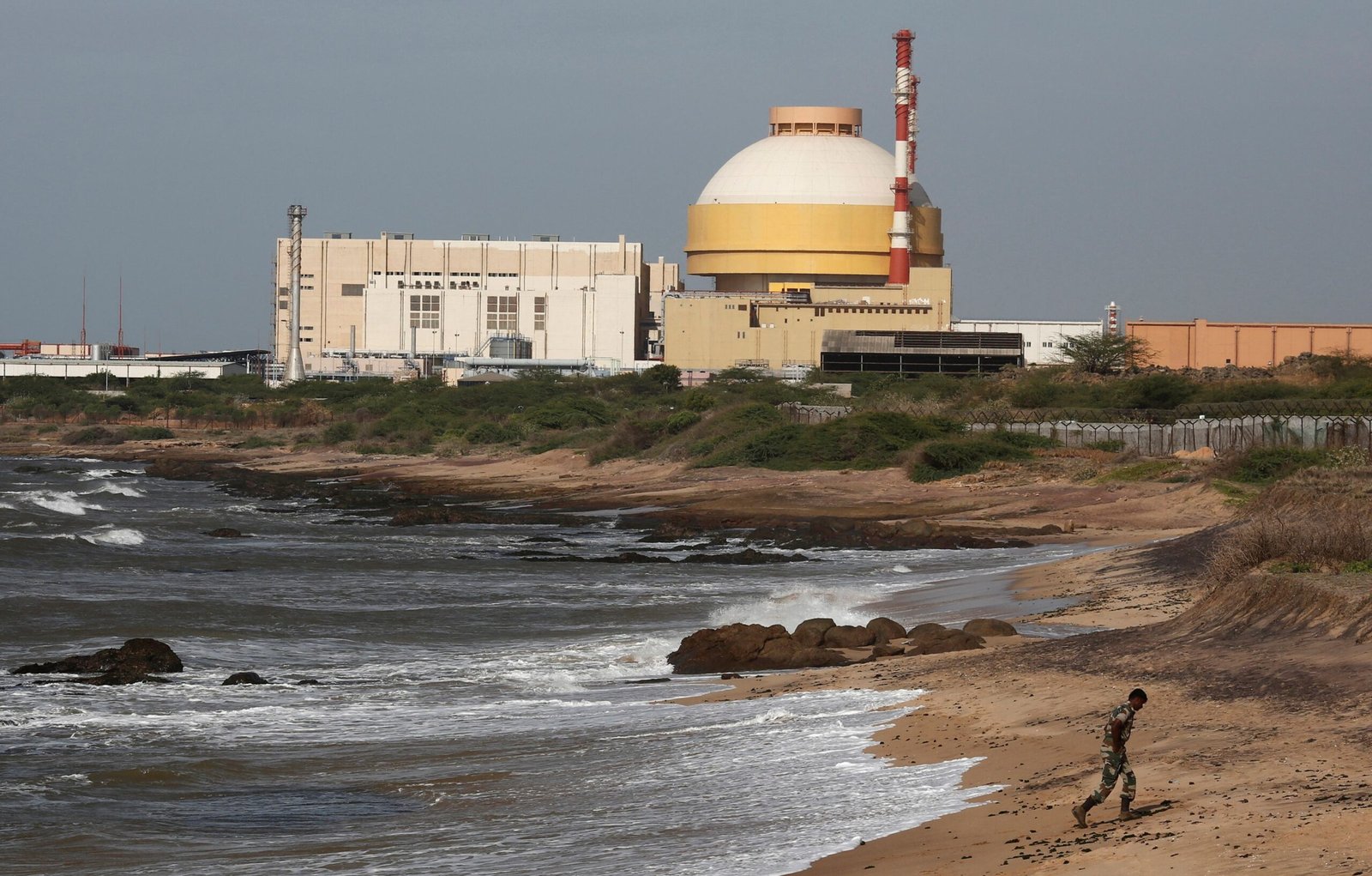
India Faces Hurdles in $210 Billion Nuclear Expansion Goal
NEW DELHI – As India sets its sights on a massive expansion of its nuclear energy sector to reach a target of 100 gigawatts (GW) by 2047, government officials and industry experts are warning that the country must address critical gaps in financing frameworks and workforce development to turn that ambition into reality.
India, which currently operates with a nuclear capacity of just 8.8 GW, is looking to ramp up its production significantly to meet surging energy demands and net-zero commitments. Achieving this goal is estimated to require an investment of approximately $210 billion.
Bridging the Financing Gap
A primary challenge identified by policymakers is the current regulatory landscape for green finance. Abhay Karandikar, a member of the government’s premier think tank, NITI Aayog, stated on Wednesday that India’s sovereign green bond framework and existing green deposit rules must be overhauled. Currently, these mechanisms do not extend to nuclear energy investments, effectively sidelining a crucial pillar of the nation’s decarbonization strategy.
“India needs to review some of its financing rules and develop a stronger talent pipeline to achieve its ambitious goal,” Karandikar noted during the PowerGen India event in New Delhi.
However, there are signs of progress. Karandikar revealed that global financial institutions, including the World Bank, have initiated reviews to explore pathways for supporting nuclear projects, signaling a potential shift in international capital flows toward nuclear power.
Addressing the Talent Crunch
Beyond funding, the industry is grappling with a severe shortage of specialized expertise. While India opened its tightly controlled nuclear sector to private companies last year—a move designed to entice foreign technology and investment—industry leaders argue that the existing human capital is insufficient.
Kalirajan S, Managing Director of EDF Nuclear Projects India Pvt, highlighted the absence of nuclear-focused education across the country’s academic institutions. “There is a lack of nuclear courses in India, starting from schools to top universities, barring a few premier institutes,” he noted.
To mitigate this, EDF has begun conducting certification programs with local vendors, aiming to cultivate a robust domestic supply chain. Meanwhile, NITI Aayog has established a dedicated committee tasked with expanding nuclear expertise, focusing on everything from technical vocational training to advanced research and development.
As India prepares to balance its growing economy with climate targets, the success of its nuclear ambitions will hinge on its ability to modernize its financial policy and foster the next generation of engineers and technicians necessary to operate a vastly expanded fleet of reactors.