








The Never-Ending Carousel: Pakistan Cricket’s Five-Year Struggle for Stability
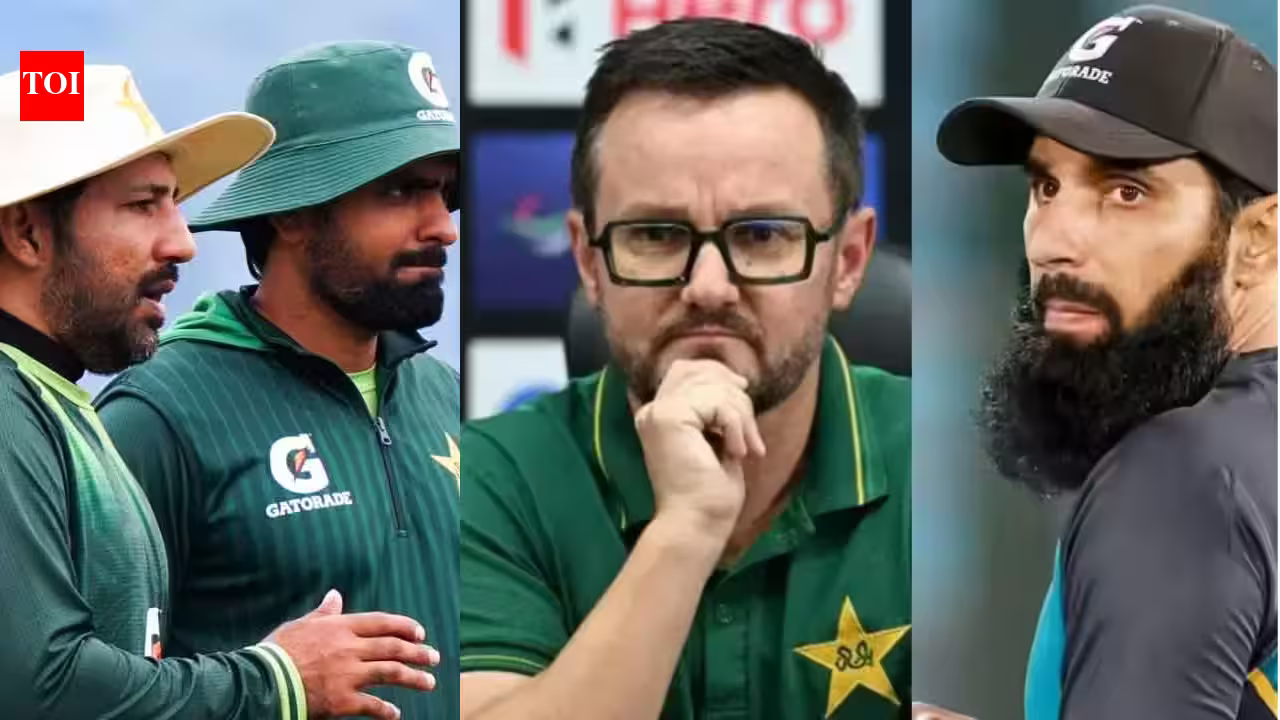
The landscape of Pakistan cricket has become defined by a turbulent cycle: a high-profile series defeat is almost immediately followed by a management purge, resulting in a fresh coaching regime that is rarely given the runway to implement a long-term vision. This pattern of instability reached its latest crescendo in August 2026, when the Pakistan Cricket Board (PCB) dismissed Test head coach Sarfaraz Ahmed mid-series following two crushing defeats against England.
The fallout was drastic. Not only was the coaching staff overhauled, but seven players were sent home in a sweeping attempt to reset the side. In a move that underscored the board’s desperation, white-ball head coach Mike Hesson was parachuted into the Test role, further blurring the lines of the board’s strategic planning. This latest episode is just one symptom of the 11 coaches reset in the last five years, a revolving door that has left the team searching for answers rather than results.
A History of Constant Flux
Since the departure of Misbah-ul-Haq in September 2021—who left despite having a year remaining on his contract—the national team has been subjected to a bewildering array of interim, permanent, and split-format arrangements.
The post-Misbah era began with Saqlain Mushtaq, who transitioned from interim status to a permanent role. However, by 2023, the PCB moved to an experimental “Director-Coach” model, pairing Grant Bradburn with Mickey Arthur. This setup was short-lived, as the post-World Cup fallout saw the arrival of Mohammad Hafeez as team director, signaling yet another shift in the team’s hierarchical philosophy.
The Rise and Fall of the “Specialist” Model
In April 2024, the PCB seemed to find a semblance of professional logic by appointing Gary Kirsten for white-ball cricket and Jason Gillespie for red-ball cricket. The appointment of such high-profile, internationally respected figures offered hope for a modern, specialized approach.
Yet, the instability of the PCB’s administrative culture proved too great. Kirsten resigned in October 2024, and Gillespie’s tenure followed him out the door by December. Within months, the “specialist model” had devolved back into an interim-led chaos, with figures like Aqib Javed taking charge of both formats at various intervals.
The 2025-26 Revolving Door
By mid-2025, the PCB attempted to stabilize once more by hiring Mike Hesson for the white-ball side, while naming Azhar Mahmood as the acting red-ball head coach. This stability lasted only until the selectors turned to former captain Sarfaraz Ahmed for the 2026 Test cycle.
Sarfaraz’s appointment was framed as a bridge between the youth pathway and the national side, given his experience with the Shaheens and U19 setups. However, when the results on the field suffered against England, the PCB reverted to their default setting: reactive change.
Searching for a Path Forward
As the team stands in late 2026, the irony of the situation is palpable. By constantly shuffling the deck to find the “perfect” coach, the PCB has inadvertently prevented any individual from establishing a genuine team culture. The repeated changes in titles, responsibilities, and leadership structures have created an environment where players are constantly looking over their shoulders, and coaches are often fighting for survival from their very first day in the dressing room.
For Pakistan cricket to move beyond this exhausting carousel, the board must eventually move away from the culture of instant gratification. Until the leadership commits to a consistent, multi-year strategy—regardless of short-term hiccups—the search for a winning formula will likely continue to come up empty.