









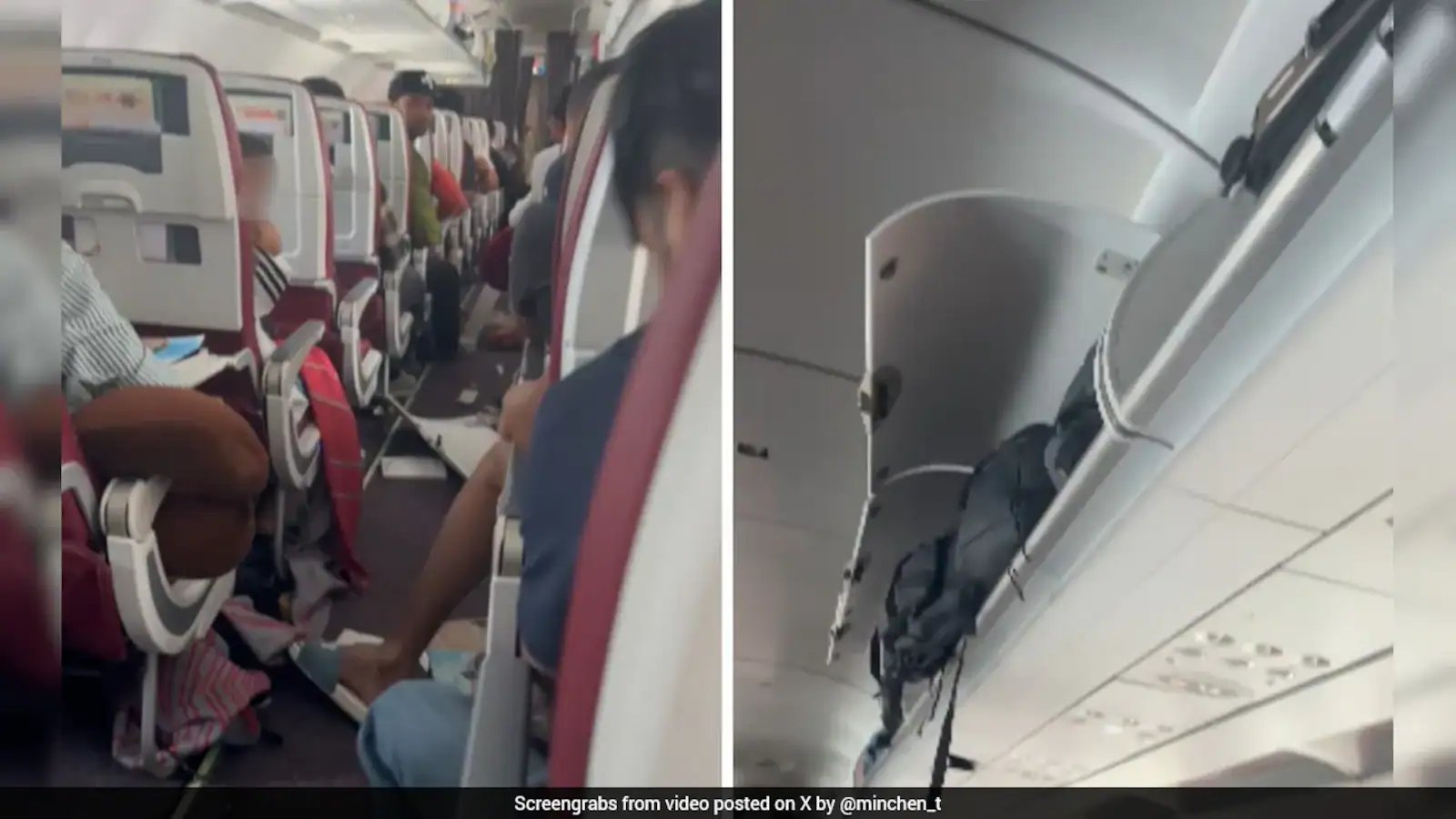
The recent incident involving Air India flight AI2379 has cast a spotlight on the stringent safety protocols and regulatory oversight within India’s aviation sector. The flight, which was traveling from Phuket to Delhi on August 4, experienced a technical malfunction that led to an abrupt altitude drop, resulting in injuries to 24 passengers. Following a preliminary probe by the Aircraft Accident Investigation Bureau (AAIB), it was revealed that the pilot-in-command had tested positive for psychoactive substances. This revelation has prompted immediate disciplinary action and has sparked a wider conversation about substance abuse policies for flight crews in India.
The Incident: Technical Failure and Altitude Upset
According to the preliminary report issued by the AAIB, the Airbus A320 was cruising at an altitude of 36,000 feet when it experienced a near-simultaneous loss of all three hydraulic systems. This critical mechanical failure caused the autopilot to disconnect, triggering a stall warning that demanded immediate corrective action. The aircraft initially gained 372 feet before dropping 292 feet, an altitude fluctuation that caused significant instability and resulted in physical injuries to passengers on board.
The report highlights that the co-pilot was at the controls when the malfunction occurred. As the situation escalated, the pilot-in-command (PIC) took over the controls to manage the emergency. Although the aircraft eventually stabilized and continued its journey to Delhi without further incident, the circumstances surrounding the event raised immediate concerns. Investigators classified the occurrence as an accident, noting that a pre-flight inspection conducted by maintenance personnel had previously shown no discrepancies with the aircraft.
Disciplinary Action and Regulatory Response
In the wake of the findings, Air India took swift action by terminating the employment of the pilot-in-command. The carrier stated that it maintains a zero-tolerance policy regarding the violation of safety, fitness, and regulatory requirements. The decision to sack the pilot was rooted in the confirmation that he tested positive for psychoactive substances during a mandatory post-flight screening.
The AAIB report emphasized that while the drug test result is a serious matter, the investigation into whether the pilot’s impairment directly caused the hydraulic failure or the subsequent loss of altitude is still ongoing. The bureau has officially recommended that the Directorate General of Civil Aviation (DGCA) prioritize appropriate follow-up actions. This incident underscores the importance of the DGCA’s ongoing efforts to ensure that the flight deck remains free from any substances that could impair a pilot’s judgment or physical response time during an in-flight emergency.
Addressing Psychoactive Substances in Aviation
The use of psychoactive substances by aviation personnel is a severe violation of safety protocols worldwide, and India is no exception. For commercial pilots, the mandate is clear: they must be in a state of absolute physiological and psychological fitness to command an aircraft. The testing protocols currently in place are designed to act as both a deterrent and a detection mechanism.
In this instance, the post-flight testing process successfully identified the presence of prohibited substances in the pilot-in-command. The co-pilot, by contrast, tested negative, highlighting that the incident was isolated to the individual behavior of the captain. This development has reinforced the need for more robust, random, and comprehensive testing regimes across all Indian airlines. While the technical failure was the primary catalyst for the altitude drop, the discovery of substance use has turned the narrative toward the human element of flight safety.
Strengthening Safety Culture at Air India
In response to the report and the broader implications of the findings, Air India has initiated a series of proactive measures. The airline has introduced voluntary testing for 100% of its pilot workforce as part of a renewed commitment to its “safety-first” philosophy. This move is designed to instill greater confidence among the flying public and ensure that such occurrences do not repeat.
Air India’s management has stated that it is cooperating fully with the ongoing investigation, providing access to all maintenance logs, operational records, and training files. The incident serves as a stark reminder of the rigor required in the aviation industry. Pilots are subjected to regular proficiency checks, frequent medical examinations, and recurring training exercises, all of which are intended to prepare them for the exact type of hydraulic failure experienced on flight AI2379. However, the added factor of substance use highlights that regulatory compliance is just as vital as technical expertise.
The Role of the AAIB and Future Implications
The Aircraft Accident Investigation Bureau continues its detailed investigation into the technical and non-technical aspects of the August 4 event. As the investigation progresses, the findings will likely influence future safety directives issued by the DGCA. This case serves as a benchmark for how Indian regulators handle dual-layered crises involving both mechanical failure and human factor non-compliance.
The aviation industry in India has seen exponential growth over the past decade, with millions of passengers relying on air travel for both domestic and international connectivity. Maintaining trust in this system requires transparency regarding incidents such as this one. By making the preliminary report public and taking decisive action against the personnel involved, both Air India and the regulatory bodies are working to maintain the integrity of the sector.
As the industry moves forward, the focus will remain on the intersection of advanced technology and human performance. While aircraft systems are becoming increasingly reliable, the human operator remains the ultimate safeguard. The fallout from the Phuket-Delhi flight is a definitive signal to all aviation stakeholders that technical excellence must be matched by strict personal adherence to professional standards, ensuring that passenger safety remains the primary focus of every flight.
Disclaimer: This content is auto-generated for informational purposes only.
Source: Read Original News