








The Spiritual Sleeper Hit: How ‘Hanuman Ansh’ Defied the Odds to Rewrite Box Office History
In an era defined by high-octane action spectacles and sprawling cinematic universes, the Indian box office has just witnessed a miracle of a different kind. Hanuman Ansh, a project deeply rooted in the teachings of the revered spiritual icon Neem Karoli Baba, has defied the skepticism of major streaming giants and a lukewarm opening week to cross the coveted Rs 100 crore mark. It is a rare, grassroots success story that proves the appetite for devotional, spiritually resonant storytelling hasn’t disappeared—it was merely waiting for the right spark.
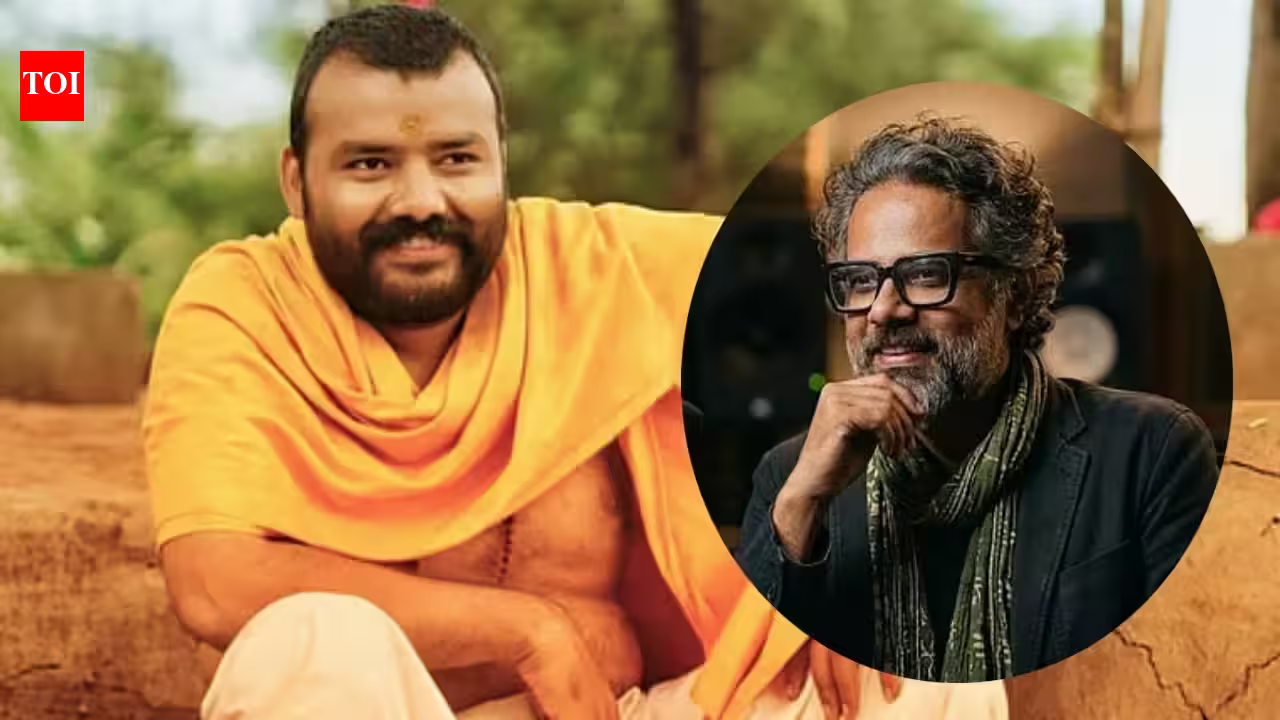
At the helm of this unexpected juggernaut is writer, director, and producer Vishal Chaturvedi, a man whose conviction in his project was strong enough to make him sacrifice his own paycheck to ensure the vision remained pure.
The ‘Jai Santoshi Maa’ Blueprint
For Chaturvedi, the success of Hanuman Ansh was never accidental. It was a calculated, albeit risky, gamble based on the forgotten history of Indian cinema. During a candid appearance on The Raunac Podcast, the filmmaker revealed that he spent the last year and a half obsessively studying the 1975 classic Jai Santoshi Maa.
“Jai Santoshi Maa is one of the most successful films in the history of Indian cinema, yet not many people truly grasp its legacy,” Chaturvedi explained. “It was released alongside the legendary Sholay, yet it earned 100 times more than its budget. It wasn’t just a hit; it was a phenomenon.”
Chaturvedi became haunted by a single question: Why had the industry abandoned such a potent genre? He recognized a massive vacuum in contemporary filmmaking—a void where traditional, spiritual, and devotional narratives once thrived. By marrying the structural lessons of the 1975 classic with the modern-day teachings of Neem Karoli Baba, Chaturvedi aimed to reclaim a space that mainstream studios had seemingly written off as “outdated.”
A Set Bound by Devotion
The film’s production was as much a spiritual exercise as it was a cinematic one. To capture the authenticity required for a story centered on the divinity of Lord Hanuman and the philosophical teachings of Maharaj Ji, Chaturvedi mandated a strict code of conduct on set.
The production was entirely vegetarian, fostering an environment that mirrored the sattvic nature of the subject matter. Perhaps more strikingly, the cast and crew engaged in the daily recitation of the Hanuman Chalisa, turning the workspace into something akin to an ashram. For Chaturvedi, the commitment went even deeper; the filmmaker revealed he sustained himself on a strict fruit diet for four-and-a-half months leading up to the film’s release. This level of physical and spiritual discipline is virtually unheard of in the frenetic, caffeine-fueled world of modern commercial filmmaking, but for Chaturvedi, it was the only way to honor the material.
The Rejection That Fueled the Fire
The path to the Rs 100-crore milestone was not without its scars. Long before the audiences flocked to theaters, the project faced a stinging cold shoulder from industry gatekeepers. In an emotional conversation with India TV, Chaturvedi recounted a pitch meeting with an OTT platform that left him feeling demoralized but ultimately more resolved.
“I narrated Maharaj Ji’s story in such a way that I literally broke down,” he shared. Despite the evident passion and the universal themes of the story, the executives remained unimpressed. More painful than the rejection itself was the tone in which it was delivered. Chaturvedi felt the language used by the platform was dismissive and derogatory, reflecting a deep-seated bias against traditional Indian narratives.
“They had a hole in their mind regarding the narrative,” he noted. “I realized then that it was necessary to bust that narrative. We are filmmakers; we are rejected a thousand times. Usually, when a platform doesn’t get a story, they simply say they’ll do it later. But this felt different.”
Instead of retreating, the rejection became the fuel that pushed the project toward its independent theatrical release.
From Rs 10 Lakhs to the Century Club
When Hanuman Ansh hit theaters on August 7, the industry barely blinked. With an opening day collection of approximately Rs 10 lakh, the film seemed destined for the “forgotten” pile. But then, something organic happened. The power of word-of-mouth began to ripple outward.
As the film entered its third week, the trends shifted dramatically. Audiences—hungry for stories that spoke to their faith and cultural roots—began to champion the film. In a climate where digital marketing budgets often dictate success, Hanuman Ansh proved that a story with genuine heart can bypass the traditional marketing machinery. By crossing the Rs 100 crore mark, the film has served as a wake-up call to the industry: audiences are willing to pay for content that aligns with their values and spiritual identity.
A Legacy of Faith and Resilience
By waiving his own remuneration as both director and producer, Chaturvedi stripped away the commercial pressure that often forces directors to compromise on their artistic integrity. He wasn’t chasing a payout; he was chasing a legacy.
With Shobhinaw Satyaa’s compelling performance in the lead role and a narrative that bridges the gap between ancient devotion and modern sensibilities, Hanuman Ansh has done more than just earn money—it has shifted the goalposts. It has reminded the film industry that there is a vast, underserved audience waiting for stories that feel less like corporate products and more like prayers.
As the film continues its strong run, the industry will undoubtedly be looking to replicate its success. But as Chaturvedi’s journey proves, you cannot manufacture this kind of resonance in a boardroom. It takes a filmmaker who is willing to fast, to pray, and to bet their own paycheck on the belief that a story—if told with absolute sincerity—will eventually find its people.
Disclaimer: This content is auto-generated.
Source: Read Original News