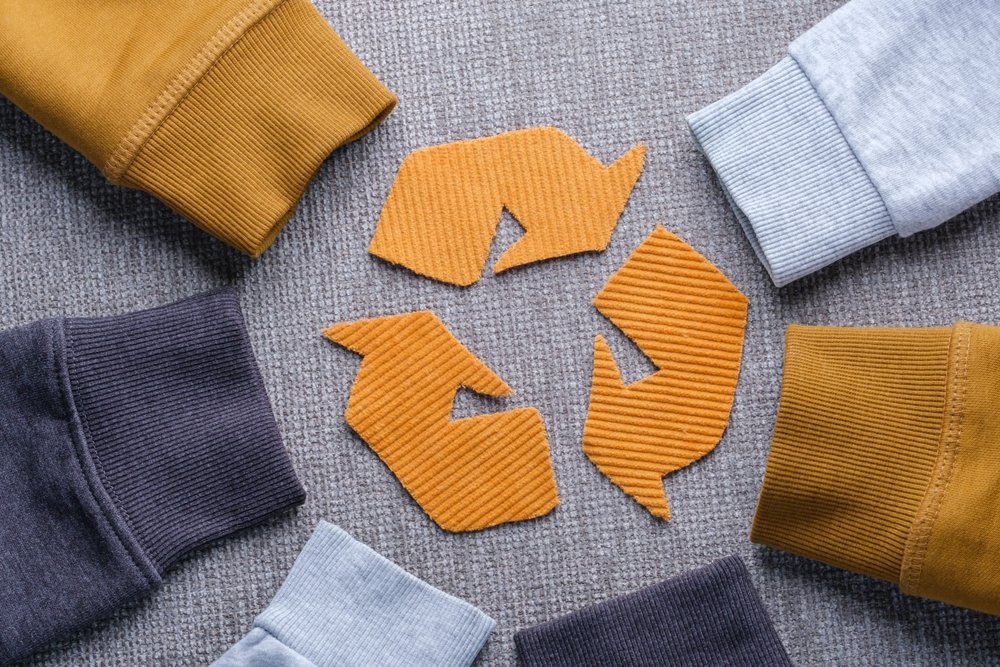









In a world grappling with the environmental urgency of climate change, the Circular Business Design School Kyoto (CBDS Kyoto) is looking toward the past to secure the future. By merging the ancient Japanese philosophy of shimatsu no kokoro—the traditional ethic of careful, waste-free living—with modern design methodologies, the program is helping businesses transition from linear consumption to regenerative systems.
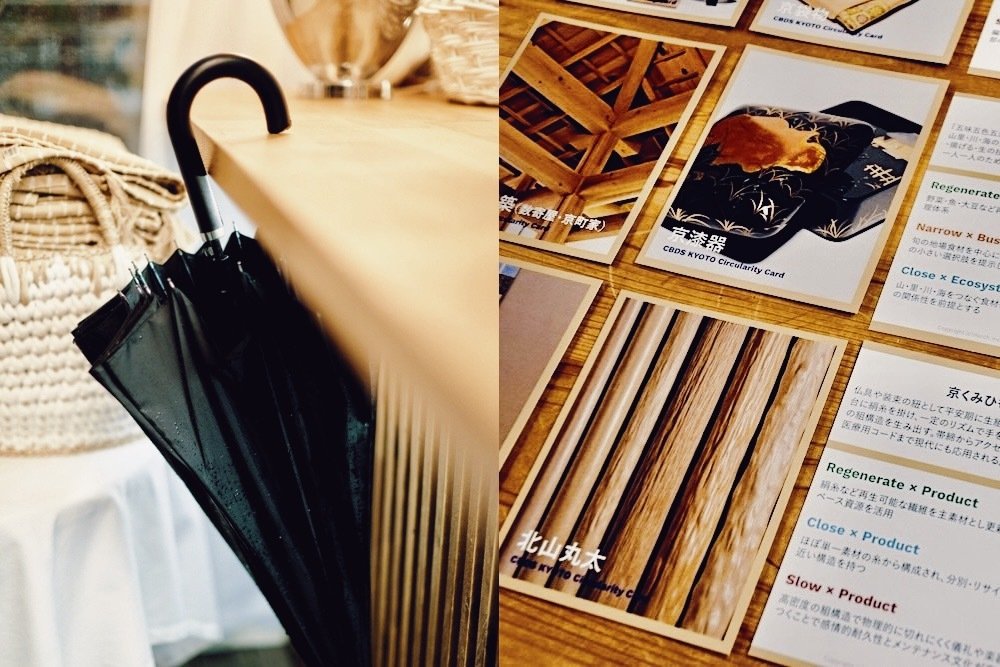
Organized by the City of Kyoto in collaboration with Harch Inc., CBDS Kyoto recently hosted a workshop at Impact Hub Kyoto, a space housed within the renovated 1921 Nishijin Telephone Exchange. The event centered on the “Circularity DECK,” a Dutch-developed tool designed to help practitioners translate circular economy principles into actionable business models.
“Around 80% of the environmental impact of a product, service, or piece of infrastructure is determined at the design stage,” said Yu Kato, Representative Director of Harch Inc. To mitigate this impact, Kato emphasizes the need for “systemic design,” where businesses move beyond simple material swaps to reconsider the entire lifecycle of a product and its relationship with the consumer. The goal, he noted, is to design not just for physical durability, but for “emotional durability,” fostering a lasting connection between the user and the object.
The workshop highlighted that Kyoto’s traditional industries offer a blueprint for this transition. Isao Kitabayashi of COS KYOTO Co., Ltd. illustrated this by referencing the traditional kimono, where straight-line tailoring leaves zero fabric waste, and the urushi (lacquer) industry, which historically integrated forestry, hunting, and food preparation into a closed-loop ecosystem. “Different industries were once linked in a chain,” Kitabayashi explained. “This ‘hyakusho-style’ (multi-skilled) way of working is very important when we think about sustainability and circularity.”
To apply these insights, participants were tasked with redesigning the modern umbrella—a product notoriously associated with “throwaway” culture. While a mass-produced vinyl umbrella is difficult to recycle, its traditional Japanese counterpart, the wagasa, is made of sustainable materials like bamboo and washi paper that can be repaired and eventually returned to the earth.
Using the Circularity DECK, participants mapped out circular strategies such as “Narrowing” (reducing resources), “Slowing” (extending product life), and “Regenerating” (restoring natural systems). The exercise revealed that circularity is not without its tensions; for example, increasing a product’s strength through composite materials often makes it harder to recycle later. By physically mapping these conflicts and synergies on the table, participants were encouraged to think about business models that align profit with environmental restoration, such as “Product as a Service” (PaaS) models.
The resulting concepts were diverse, ranging from GPS-tracked custom umbrellas designed to prevent loss, to community-shared “umbrella commons” that rely on local trust networks. A recurring theme during the feedback sessions was the importance of designing for “want” rather than “obligation.” The facilitators argued that for a circular economy to truly take root, it must provide products that consumers choose because they are desirable, not merely because they are sustainable.
By combining Kyoto’s long-term historical perspective with modern data-driven and systemic design tools, the program aims to prove that circularity is not a regression to the past, but an evolution. As the workshop concluded, it became clear that the objective is to build a society where circular practices are a natural consequence of good design. CBDS Kyoto intends to build on these findings in upcoming sessions, moving from conceptual design toward the practical implementation of circular business strategies for individual enterprises.
Disclaimer: This content is auto-generated for informational purposes only. It has been rewritten and paraphrased from the original source.
Source: Read Original News