






The Strategic Ascent of India’s Urban Rail Infrastructure
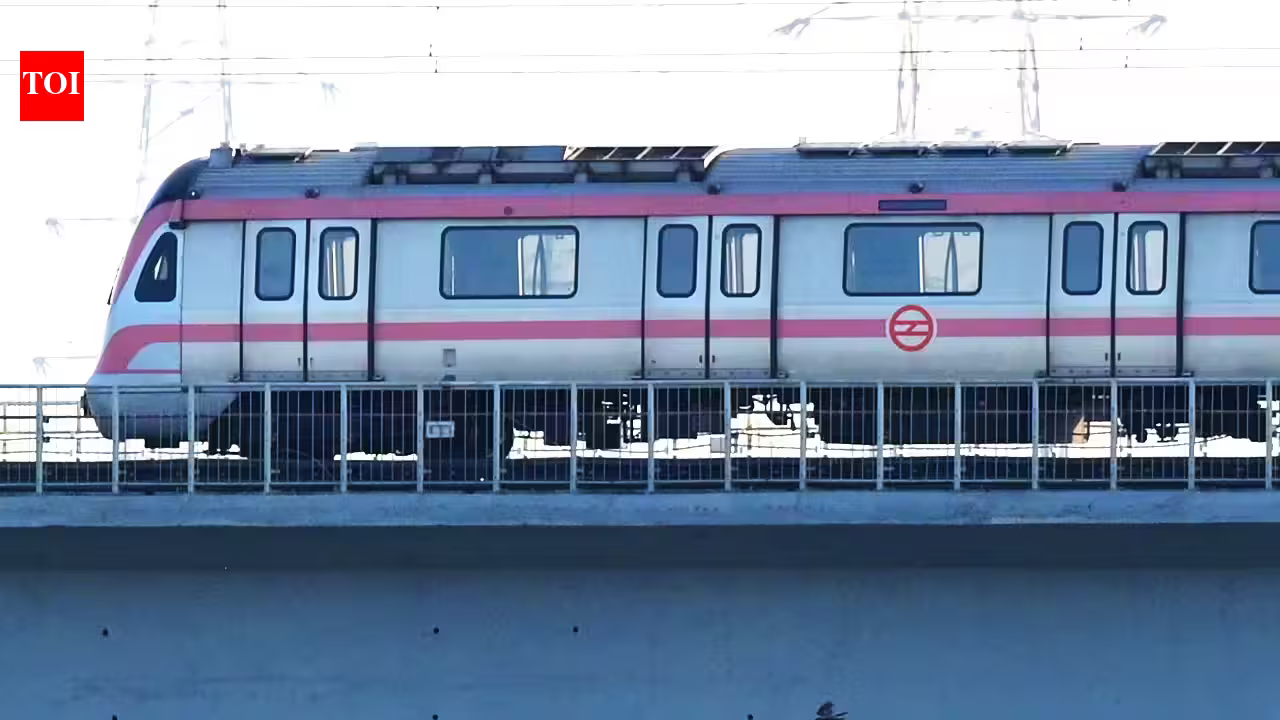
The landscape of urban mobility in India is undergoing a structural transformation that is reshaping the nation’s economic geography. With the recent expansion of the Indore metro network, India’s operational metro rail footprint has reached 1,170 kilometers. This milestone brings the country within striking distance of the United States, which currently operates a network of approximately 1,386 kilometers. Government projections indicate that India is on an accelerated trajectory to surpass the American infrastructure within the next two years, positioning the nation as the holder of the world’s second-largest metro network, trailing only China.
This rapid development is not merely a quantitative increase in track length; it represents a fundamental shift in how India approaches urbanization. For decades, urban planning in many Indian cities struggled to keep pace with rapid population growth and the resulting congestion. The current shift toward massive rail-based transit signals a prioritization of long-term sustainable growth. By integrating high-capacity transit systems into the fabric of metropolitan areas, the government is addressing the logistical friction that has traditionally hindered productivity in major commercial hubs.
Economic Drivers Behind the Metro Surge
The expansion of the metro rail network is a central pillar of the “Viksit Bharat” (Developed India) vision for 2047. The economic rationale for these projects extends far beyond passenger convenience. Efficient public transport systems serve as catalysts for economic densification. When cities are connected by high-frequency rail, the labor market becomes more fluid, allowing workers to access commercial centers from more affordable residential peripheries. This mobility is essential for fostering a competitive, integrated domestic economy.
The fiscal commitment to this sector has been substantial. Between 2013-14 and 2025-26, the annual budget allocated to metro rail projects surged from Rs 5,798 crore to Rs 29,550 crore. Furthermore, since 2014, the government has sanctioned 38 metro rail projects covering over 1,000 kilometers at a cost exceeding Rs 3.44 lakh crore. These investments are governed by the Metro Rail Policy of 2017, which provided the regulatory and financial framework necessary to standardize project execution. This policy transition has reduced bureaucratic bottlenecks, enabling state governments to partner effectively with the central authority to secure funding and technical expertise for city-specific infrastructure.
Infrastructure Integration and PM GatiShakti
A distinctive feature of the current growth phase is the integration of metro projects into broader infrastructure planning. Through the PM GatiShakti National Master Plan, metro rail is no longer being developed in isolation. Planners are increasingly focusing on multi-modal connectivity, ensuring that metro stations act as hubs where commuters can seamlessly transition to buses, regional rail, or even water-based transit systems.
This holistic approach is evident in the diversification of transit modes being deployed across India. The introduction of the Namo Bharat regional rapid transit system, capable of speeds up to 160 kmph, addresses the need for high-speed connectivity between metropolitan cores and satellite towns. Similarly, the implementation of India’s first underwater metro tunnel in Kolkata and the Water Metro in Kochi demonstrates a willingness to adopt geographically specific solutions. By diversifying away from traditional underground or elevated heavy rail, India is demonstrating that it can tailor transit technology to the unique topography and demographic needs of its diverse urban landscape.
Technological Standardization and Domestic Capability
As the network expands across 26 cities, the focus is shifting toward localizing manufacturing and operations. The “Make in India” initiative has played a pivotal role in this expansion, with an increasing share of rolling stock, signaling systems, and power components now being produced domestically. This transition not only lowers the capital expenditure required for new lines but also fosters a robust domestic ecosystem for heavy engineering and urban tech.
Operating a network of over 1,000 kilometers requires sophisticated management systems. The transition from a 245-kilometer network in 2014 to the current scale has necessitated a rapid upskilling of the Indian workforce. Engineers, urban planners, and project managers now possess the technical proficiency to execute complex underground tunneling in densely populated cities, a skill set that was historically scarce in the region. This domestic expertise serves as a strategic asset, enabling India to maintain its rapid pace of construction without being overly dependent on external technical services.
Future Outlook and Urban Connectivity
Looking ahead, the focus for the next decade will be on increasing the density of existing networks and extending connectivity to tier-two cities. The Indore-Manmad railway line approval, combined with planned metro expansions in cities like Ujjain, reflects a strategic intent to link smaller economic centers to larger industrial corridors. This interconnectedness is expected to alleviate the burden on major metropolitan cities like Mumbai and Delhi by decentralizing economic activity.
However, the challenge for the next phase of development lies in the long-term operational sustainability of these systems. As the network grows, ensuring high ridership levels through efficient last-mile connectivity will be essential to ensuring that these capital-intensive projects remain economically viable. The success of the current metro expansion will eventually be measured not just by the number of kilometers added to the map, but by the measurable impact on the average commute time, the reduction in private vehicle dependence, and the corresponding decrease in urban carbon footprints.
In conclusion, India’s climb to the position of the second-largest metro network globally is a testament to the scale of its infrastructure ambition. By moving from a fragmented collection of city-specific projects to a coordinated national strategy, India has successfully accelerated its transit development. As the network approaches parity with international benchmarks, the focus will increasingly shift toward optimizing these systems to ensure they provide the reliable, efficient, and scalable transport infrastructure necessary to support an emerging global economic power. The journey from 245 kilometers in 2014 to over 1,170 kilometers today serves as a clear indicator of the nation’s capacity for rapid infrastructure modernization.
Disclaimer: This content is auto-generated for informational purposes only.
Source: Read Original News