








The Geopolitical Instability of Global Energy Arteries
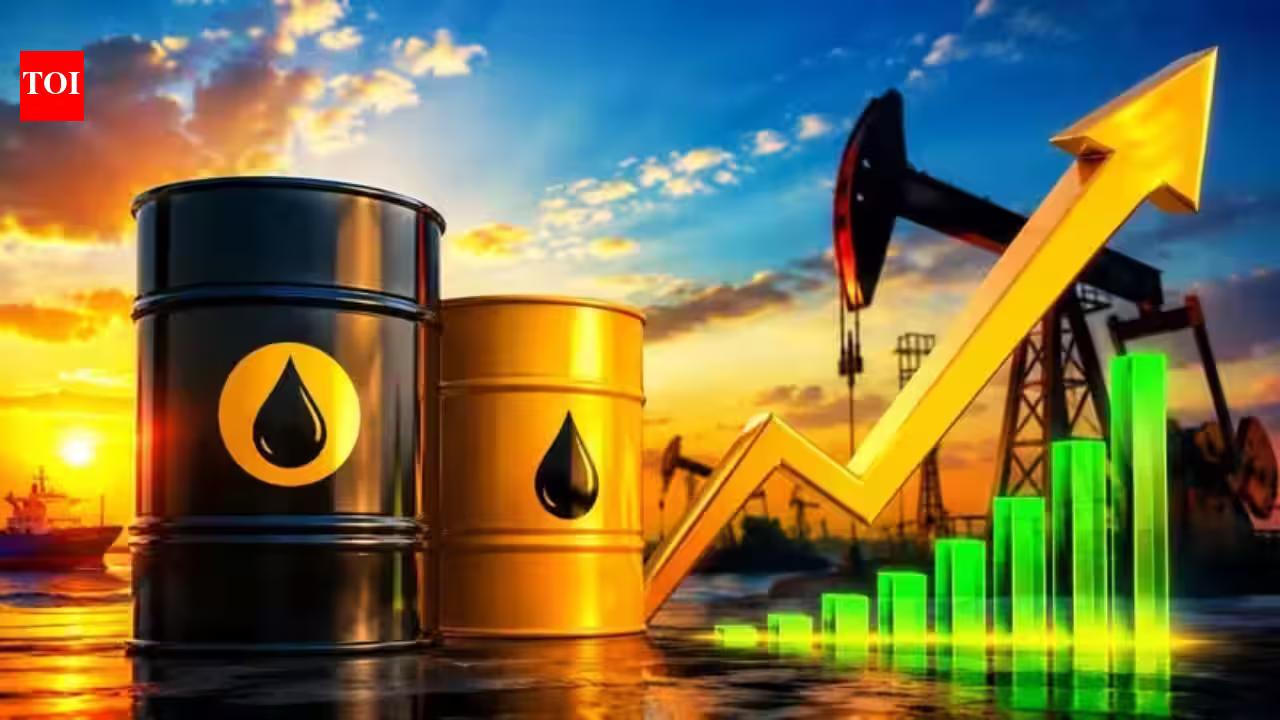
The recent escalation of hostilities between the United States and Iran in the Strait of Hormuz represents a significant turning point in global energy logistics. As Brent crude prices climb toward the $100 per barrel threshold, the market is signaling profound anxiety regarding the reliability of the world’s most critical maritime oil transit point. The Strait of Hormuz is not merely a geographic channel; it is a vital economic artery through which approximately one-fifth of global oil supply flows daily. When military tensions translate into direct strikes on commercial tankers, the foundational assumption of global energy security—the freedom of navigation—is effectively dismantled.
For market analysts, the current situation represents a fundamental shift from traditional supply-demand dynamics to a risk-premium environment. When commercial vessels are treated as targets for reciprocal economic pressure, the insurance and freight costs associated with oil transport spike, creating a multiplier effect on the final price of crude. The recent rise in Brent by 7.8% and WTI by nearly 10% in a single week underscores the speed at which geopolitical uncertainty can outpace industrial supply management. The integration of commercial shipping into military conflict zones suggests that this disruption may not be a transient event, but a persistent feature of the coming months.
The Direct Impact on Indian Macroeconomic Stability
For India, the world’s third-largest oil consumer and importer, the situation in the Strait of Hormuz is a matter of urgent national concern. The Indian economy remains heavily dependent on crude oil imports to fuel its industrial growth, transportation sector, and agricultural machinery. With a significant portion of India’s energy imports sourced from Middle Eastern producers, any volatility in the Persian Gulf directly threatens the country’s fiscal balance and inflationary trajectory.
A sustained price surge above $95 per barrel places immense pressure on India’s Current Account Deficit (CAD). As the import bill for petroleum rises, the demand for foreign currency increases, which often puts downward pressure on the Indian Rupee. Furthermore, domestic fuel prices, which are linked to global benchmarks, become subject to upward revisions. This creates a inflationary ripple effect, increasing logistics costs for businesses across every sector—from manufacturing and logistics to consumer goods. For policymakers in New Delhi, the primary challenge lies in balancing the need to keep domestic fuel prices stable for the consumer against the fiscal reality of rising international energy costs. Strategic reserves provide a temporary buffer, but they cannot shield the economy from a prolonged blockade or a significant reduction in regional supply flow.
The Limitations of OPEC+ Strategy
The recent decision by the OPEC+ group to maintain current production levels for October highlights the group’s increasingly diminished influence in the current climate. While OPEC+ previously held the ability to sway market prices by adjusting supply quotas, the current geopolitical conflict has rendered production policy secondary to physical supply chain failures. Even when OPEC+ members agree to increase output to fulfill market demand, the physical reality on the ground—characterized by restricted navigation and military danger—prevents these barrels from reaching international markets efficiently.
The inability of the producer group to stabilize prices reveals a disconnect between their boardroom strategy and the reality of maritime risk. When export hubs like Kharg Island become targets, the structural integrity of the oil supply chain is compromised. OPEC+ is currently navigating a period where internal disagreements regarding production quotas are being eclipsed by external military forces. As core members like Saudi Arabia and Russia contend with the logistical paralysis in the Strait, the market is beginning to look past OPEC+ policies, focusing instead on the tangible risk of shipping delays and physical damage to infrastructure. The group is no longer the primary driver of market price; geopolitical actors are.
Shifting Dynamics in Commercial Shipping and Insurance
One of the most concerning aspects of the current conflict is the change in the nature of commercial shipping. Data from analytics firms like Kpler confirms that commodity ship crossings through the Strait of Hormuz have plummeted to levels not seen in months. This is not merely a decrease in activity; it represents a fundamental revaluation of risk by shipping companies and their insurers.
The maritime industry operates on precise, low-margin timelines. When the distinction between a commercial tanker and a military target is blurred, the insurance industry responds by rapidly increasing premiums or, in extreme scenarios, withdrawing coverage for specific corridors entirely. This leads to a cascading effect: ships reroute, travel times increase, and the efficiency of the global supply chain drops. For commodity traders, the rising cost of freight means that the total landed cost of a barrel of oil becomes significantly more expensive, even before considering the underlying rise in the commodity’s spot price. This “risk premium” is now being priced into every transaction, making the current high-price environment highly resistant to downward correction until there is a tangible de-escalation in military posturing.
Long-term Strategic Considerations for Energy Importing Nations
The ongoing disruption serves as a stark reminder of the risks associated with concentrated supply routes. For India and other major Asian economies, the events in the Strait of Hormuz accelerate the necessity of diversifying both the source of energy and the methods of transport. Relying heavily on specific maritime routes exposes domestic industries to the whims of regional conflicts that are often outside the control of energy-importing nations.
Moving forward, the business and policy focus will likely shift toward two specific areas: infrastructure resilience and alternative energy hedging. Investing in deep-water port infrastructure that bypasses traditional choke points and accelerating the transition to alternative fuel sources are no longer just environmental or developmental goals; they are now essential components of national security. Furthermore, India’s strategic partnership with various oil-producing nations needs to incorporate security guarantees or contingency supply agreements that protect the physical movement of goods.
In the immediate term, the business community must prepare for a period of high volatility. Companies with high exposure to energy inputs should look at hedging strategies to mitigate the impact of fluctuating crude costs. While the short-term outlook remains tethered to the diplomatic and military developments in the Strait, the medium-term economic outlook will depend on how successfully these nations can insulate their domestic markets from the systemic risks of a volatile Middle East. The era of assuming frictionless energy transit through global maritime routes has effectively concluded, and a new era of proactive energy risk management must take its place.
Disclaimer: This content is auto-generated for informational purposes only.
Source: Read Original News