








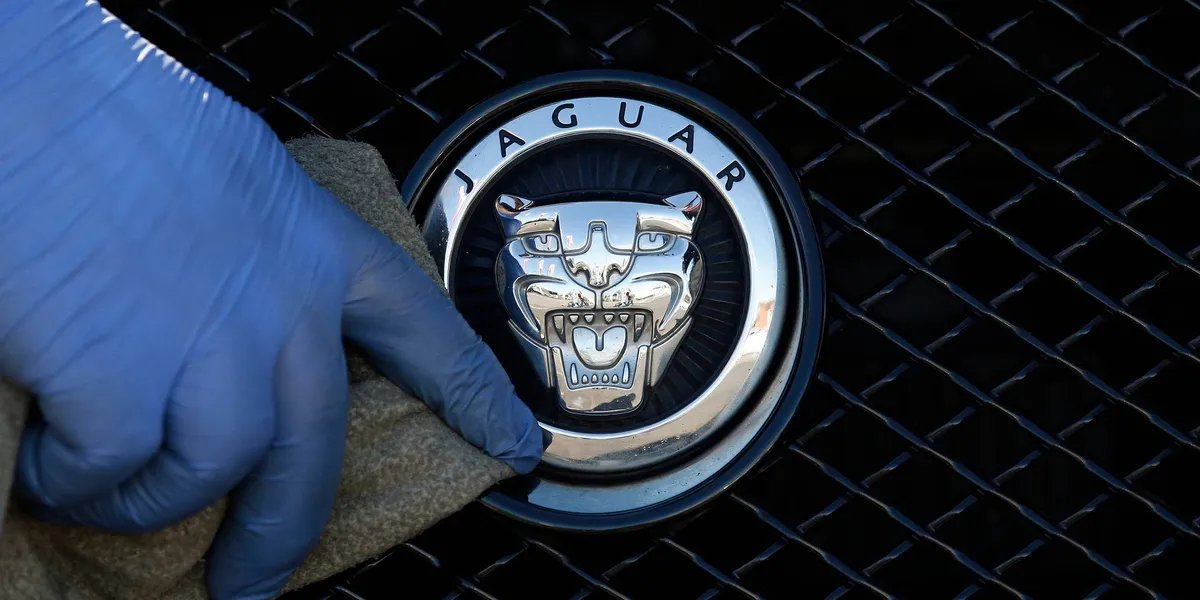
Jaguar Land Rover (JLR) has announced a significant restructuring plan that will see the elimination of 4,000 positions from its global workforce over the coming 24 months. As the British automotive giant grapples with a rapidly shifting global market, the move is designed to stabilize the company’s finances and provide the necessary capital to pivot toward a sustainable future defined by electrification and digital innovation.
The announcement comes as JLR targets a total of £1.7 billion ($2.3 billion) in cost savings. CEO PB Balaji cited a convergence of “intense competition, technological change, and geopolitical uncertainty” as the primary drivers behind the difficult decision. The bulk of the job losses are expected to hit the company’s home turf in the United Kingdom, where the majority of its 34,000 employees are based.
Strategic Investment in a Digital, Electric Future
While the job cuts are substantial, JLR leadership framed the restructuring as a foundational step toward securing the firm’s long-term viability. The savings generated by this workforce reduction are earmarked for an ambitious capital expenditure program. The company plans to inject between £15 billion and £18 billion ($20–24 billion) into research and development over the next five years.
Central to this investment is the transition to electric vehicles (EVs) and the integration of advanced digital technologies. Much like the broader tech sector, the automotive industry is currently undergoing a radical transformation where software-defined vehicles—equipped with AI-driven infotainment systems, autonomous driving capabilities, and cloud-connected diagnostics—are becoming the standard. To compete with agile Chinese electric carmakers, JLR must pivot its manufacturing and software architecture to prioritize battery efficiency, vehicle intelligence, and seamless digital user experiences.
Market Headwinds and Global Competition
The decision to cut staff arrives during a period of turbulent economic conditions for traditional European automakers. Beyond the standard hurdles of supply chain logistics, JLR has faced a “perfect storm” of challenges. Last year, the manufacturer’s bottom line took a significant hit following a debilitating cyberattack that forced a month-long production halt, highlighting the increasing vulnerability of high-tech manufacturing plants to digital threats.
Furthermore, the company is feeling the squeeze of rising trade barriers. New U.S. import policies have introduced a 10% tariff on British-made vehicles, which climbs to 27.5% once a manufacturer exceeds an annual threshold of 100,000 units. These levies, combined with aggressive pricing from Chinese EV startups that have mastered efficient battery production, have forced legacy brands to rethink their labor structures.
Government Response and Industry Consolidation
The fallout from JLR’s announcement has reverberated through the halls of government. While Treasury chief John Healey is actively seeking ways to stimulate Britain’s stagnant economy, the office of Prime Minister Andy Burnham has clarified that the state will not step in with a bailout. This stance reflects a growing trend in Europe, where governments are increasingly wary of propping up legacy industries that have struggled to adapt to the pace of the global EV revolution.
JLR is not alone in its predicament. The news follows a massive restructuring announcement from Volkswagen, which recently revealed plans to eliminate 50,000 jobs, close multiple production plants, and drastically reduce its catalog of vehicle models. These developments signal a wider consolidation phase in the automotive industry, where traditional titans are forced to downsize their physical footprints to prioritize the massive capital requirements of the AI and electrification era. For JLR, the next two years will be a high-stakes race to trade its historical manufacturing model for a leaner, more technological future.
Disclaimer: This content is auto-generated for informational purposes only.
Source: Read Original News