









The Development Bank of Wales has officially unveiled a new £10 million pilot initiative designed to supercharge the growth of the nation’s most promising SMEs. The Wales Equity Co-investment Scheme aims to break down barriers to capital, allowing high-growth businesses to secure substantial funding rounds while remaining headquartered within Wales.
By providing matched equity investments ranging from £500,000 to £2 million, the scheme is specifically engineered to support funding rounds of up to £10 million. The program represents a strategic shift toward fostering a more robust, institutional-led investment ecosystem that integrates Welsh enterprises into global markets.
## Unlocking Institutional Capital for Welsh Innovation
The primary objective of this pilot is to act as a catalyst for third-party investment. By partnering with FCA-registered lead investors—such as private equity firms and institutional venture capital groups—the Development Bank of Wales is simplifying the funding landscape. The bank will mirror the financial and legal terms of the lead investor, which streamlines the due diligence process for companies and makes the Welsh market more attractive to external venture capital.
This move comes at a critical time as the technology and deep-tech sectors face pressure to scale rapidly. The scheme is heavily focused on businesses commercializing complex technologies. By pairing state-backed funding with the sector-specific expertise of institutional partners, these companies gain more than just cash; they gain the strategic guidance and global networks required to turn innovative research into sustainable commercial entities.
## Strengthening the Welsh Investment Ecosystem
The pilot is funded through a ring-fenced portion of the Wales Flexible Investment Fund. Officials believe this model will solve a perennial issue for Welsh firms: the struggle to secure large-scale Series A or B funding without relocating to major tech hubs like London or Silicon Valley.
Adam Price, Cabinet Member for Enterprise, Connectivity and Energy, emphasized that the scheme is about more than just the capital. “Active capital does more than just provide funding,” Price noted. “It brings expertise, networks, and long-term backing that can help businesses grow faster and improve productivity, supporting sustainable economic growth across Wales.”
This initiative echoes the broader trend within the tech industry, where regional hubs are increasingly leveraging public-private partnerships to compete with global technology centers. By creating a standardized framework for co-investment, the Development Bank is attempting to normalize high-level investment activity within Wales, proving that the region has the infrastructure to support ambitious, scalable ventures.
## Building on a Track Record of Growth
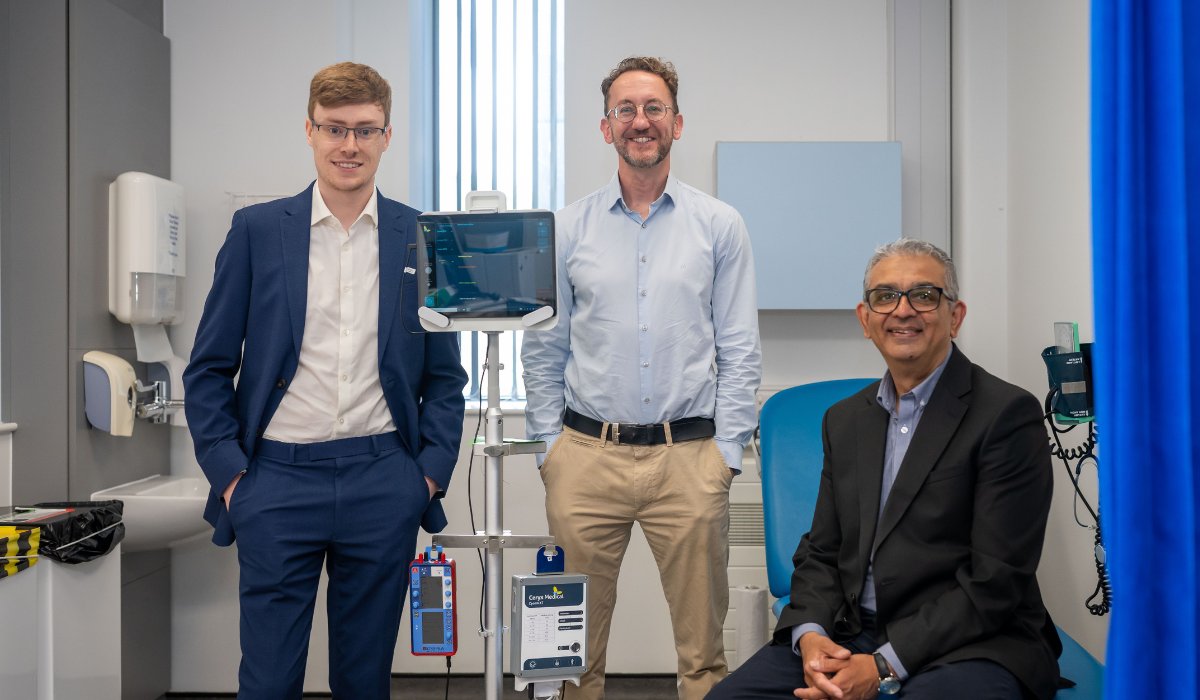
The announcement builds upon the success of existing partnerships, such as those with the British Growth Fund (BGF), which has previously collaborated with the bank on investments in firms like Ceryx Medical and IQ Endoscopes. Hannah King, an investor at BGF, highlighted that these collaborations are vital for scaling companies, creating high-quality jobs, and ensuring that Welsh innovations reach international markets.
Since its inception in 2017, the Development Bank of Wales has deployed over £1.1 billion across 4,500 businesses, supporting upwards of 55,000 jobs. This latest £10 million pilot represents a refinement of that strategy, shifting from general support toward a targeted, high-intensity model designed to propel “scale-ups” to the next level of maturity.
For high-growth Welsh SMEs, the message is clear: the path to securing significant capital and expert mentorship is becoming more accessible. By aligning with institutional standards, the Development Bank is effectively signaling that Wales is ready to serve as a long-term base for international-grade business growth. As the pilot progresses, it is expected to provide a blueprint for how state-backed financial institutions can successfully collaborate with the private sector to bridge the funding gap for regional innovators.
Disclaimer: This content is auto-generated for informational purposes only.
Source: Read Original News