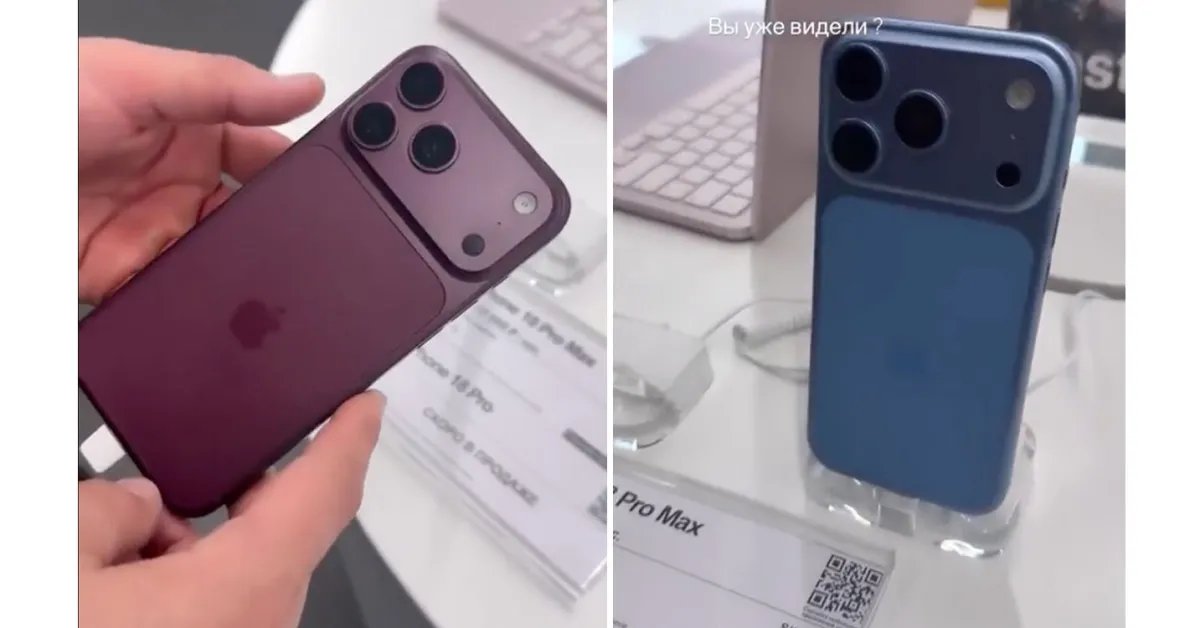









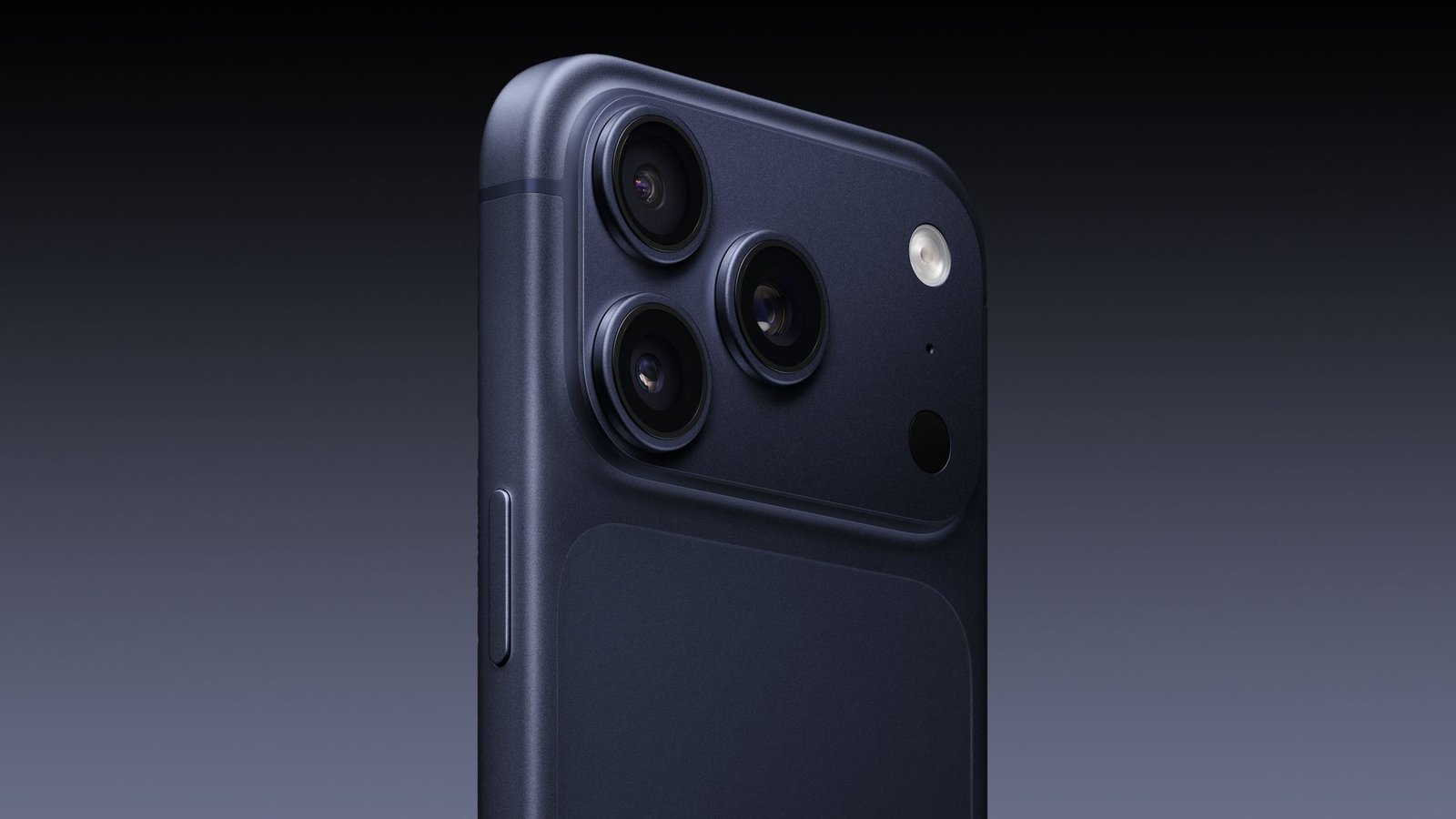
The evolution of mobile photography has always relied on a synergy between hardware improvements and software intelligence. With the upcoming release of iOS 27 and the anticipated launch of the iPhone 18 Pro, reports from development environment code indicate that Apple is preparing a significant overhaul of the native Camera app. These updates focus on providing professional-grade tools that bridge the gap between casual snapshots and controlled, high-end cinematography.
Professional Exposure Monitoring Tools
One of the most notable technical additions discovered in the iOS 27 beta code is the inclusion of exposure scopes. Historically, smartphone users have relied on automatic exposure adjustments, which often struggle in complex lighting scenarios. By introducing histograms and waveforms, Apple is providing creators with granular data to manage light levels accurately.
A histogram provides a graphical representation of the distribution of light in an image, showing the intensity values from shadows to highlights. This is a standard tool in professional photography for identifying clipped shadows or blown-out highlights. A waveform, by contrast, tracks this luminance data relative to the horizontal position in the frame. This allows a cinematographer to ensure, for example, that the skin tone of a subject is consistent across the frame, regardless of changing ambient light. By integrating these professional analysis tools, the iPhone 18 Pro will allow users to make precise adjustments before the shutter is even pressed, significantly reducing the need for post-processing recovery.
Enhanced Focus and Exposure Precision
In addition to exposure monitoring, the latest software updates introduce visual aids for focus and highlight management. Focus peaking is a long-standing feature in dedicated mirrorless cameras that highlights the sharpest edges in a scene with a vibrant color outline. For mobile videographers using manual focus techniques, this provides immediate confirmation that the desired subject is within the plane of focus.
Similarly, highlight warnings offer a crucial safeguard against overexposure. By applying overlays such as pulsing colors, diagonal stripes, or checkerboard patterns, the software will alert users when specific pixels have reached their maximum capacity. This proactive warning system is essential when shooting in high-dynamic-range (HDR) environments where maintaining detail in both shadows and bright clouds or light sources is difficult. These features reflect a broader trend of shifting mobile device capabilities toward the utility of professional production gear.
Advancements in Mechanical and Software Integration
Perhaps the most hardware-dependent feature identified in the iOS 27 beta is the aperture-based image correction system. Recent rumors suggest that the iPhone 18 Pro will feature a physical variable aperture lens—a mechanism that allows the lens opening to widen or narrow. This is a departure from the fixed-aperture lenses that have dominated the smartphone market for years.
A variable aperture allows a user to control both the amount of light entering the sensor and the depth of field. A wider aperture creates a shallower focus, which is desirable for portraiture, while a narrower aperture maintains clarity across a landscape. The iOS 27 code reveals that Apple is developing a sophisticated image processing pipeline that can transition between up to four different reference points to correct for optical distortions that occur when the aperture changes. By blending these adjustments automatically, the system ensures that image quality remains consistent, maintaining high resolution and minimal chromatic aberration regardless of whether the physical lens is wide open or stopped down.
Manual Focus Control for Cinematography
Control over focus has historically been limited on mobile devices, which favor automated algorithms. The discovery of manual focus locking and control mechanisms in the iOS 27 framework suggests a strategic pivot toward advanced users. While a focus slider appeared in earlier versions of the software, it was notably absent from the initial release of the iOS 27 beta, appearing instead in deep-level system code.
This implementation appears to be restricted to the upcoming iPhone 18 series. By keeping these controls exclusive to the latest hardware, Apple is likely ensuring that the software integration works perfectly with the new sensor and lens configuration. This feature will allow filmmakers to perform controlled focus pulls, providing a cinematic aesthetic that is currently difficult to achieve with standard autofocus systems that often “hunt” for a subject in challenging conditions.
Optimized Workflow for Sequential Captures
Beyond professional-grade imaging tools, the software is also introducing a practical update to the self-timer function. Previously, utilizing a self-timer resulted in a single capture, often requiring the user to reset the entire sequence if multiple shots were needed. The new “repeated self-timer” functionality allows the camera to trigger a series of exposures automatically.
By resetting the timer immediately after each file is processed or stored, the system removes the friction of manual intervention. This is particularly useful for solo photographers who need to adjust their pose or environment between shots without moving away from the camera’s position. This update demonstrates an understanding of the user workflow, emphasizing efficiency alongside the heavy-hitting photographic tools. As these features move from beta code to public release, they signal a clear intent: to make the iPhone 18 Pro a definitive device for content creators who demand more than just computational photography, but rather granular, manual control over every facet of their image-making process.
Disclaimer: This content is auto-generated for informational purposes only.
Source: Read Original News