









The Shift in Operational Strategy for Samsung India
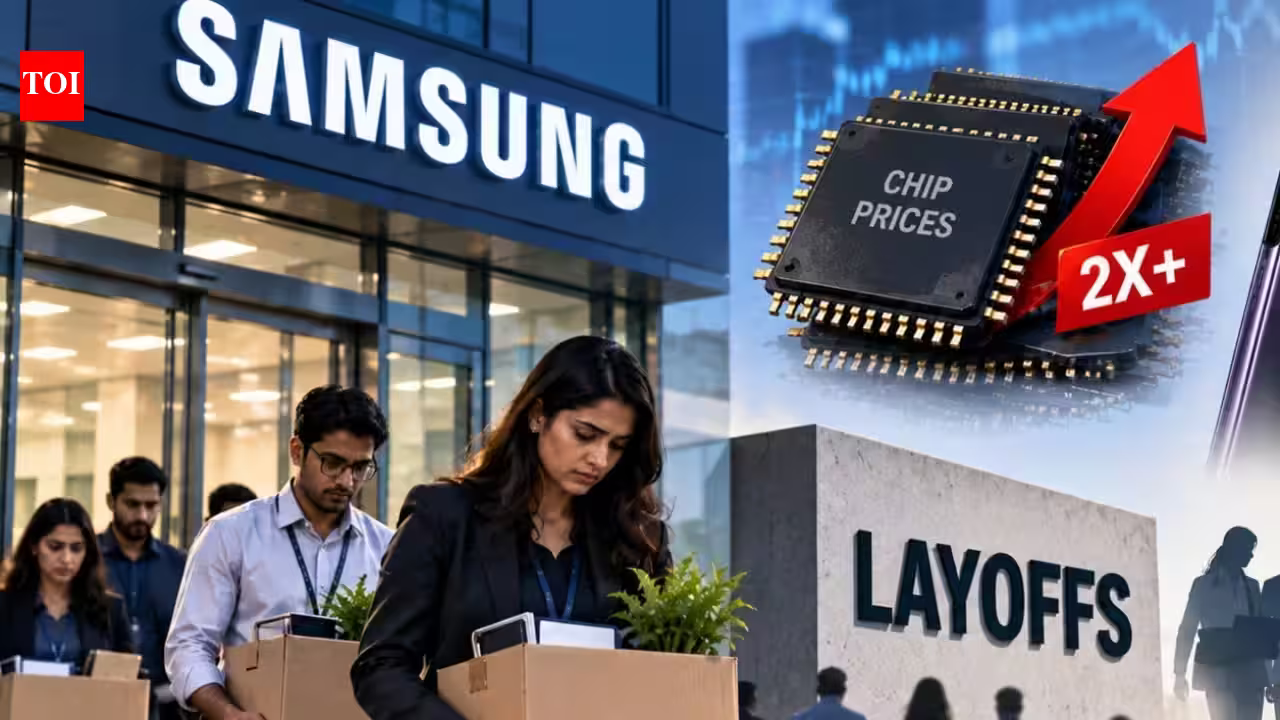
The current restructuring at Samsung India reflects a broader trend of corporate belt-tightening that is sweeping through the global technology and consumer electronics sectors. With the organization initiating layoffs across its television and home appliance verticals, the business landscape in India is witnessing a critical recalibration. The reduction in workforce, currently estimated at 80 to 100 executives, serves as an indicator of the significant macroeconomic pressures impacting multinational corporations operating within the Indian market.
For a market leader that has traditionally maintained an expansive footprint, the decision to trim personnel at the directorial and managerial levels suggests a move toward leaner, more agile management structures. This strategy is not merely a response to immediate financial headwinds but a strategic adjustment to navigate a cooling consumer demand environment. By consolidating branch offices and re-evaluating sales team hierarchies, Samsung is positioning its operational framework to better withstand the volatility of the current fiscal year.
Macroeconomic Drivers and Margin Compression
Several interconnected variables have contributed to the performance challenges currently facing Samsung India. Chief among these is the dramatic escalation in the cost of raw materials, particularly memory chips. As a primary component in both smartphones and various home appliances, the twofold increase in semiconductor prices has severely compressed profit margins. When combined with the broader impact of currency depreciation, specifically the pressure on the Indian Rupee against the dollar, the cost of manufacturing and importing finished goods has risen substantially.
In the Indian consumer electronics sector, sensitivity to pricing is high. When input costs surge, manufacturers are often left with an difficult decision: either absorb the costs at the expense of profitability or pass them on to consumers. Samsung has opted for the latter in certain segments, implementing multiple price hikes on smartphone models this year. However, this strategy has backfired in the short term, with industry data from trade associations noting a significant decline in retail footfall. The combination of higher sticker prices and a cooling macroeconomic environment has led to a noticeable dip in volume sales across key categories.
Market Dynamics and the Competitive Landscape
Samsung’s challenges are compounded by the hyper-competitive nature of the Indian smartphone market. While it continues to be the primary revenue driver for the company, contributing approximately three-quarters of local revenue, its market share is under constant assault. Recent data from market intelligence firms like Counterpoint Research highlights a shift in the hierarchy, with rivals such as Vivo and Oppo gaining ground. This loss of momentum in the mid-range and volume-driven segments is particularly concerning for a company that relies on scale to drive overall growth.
Furthermore, the company has struggled to make significant inroads into the high-value air-conditioner segment despite sustained marketing and infrastructure investment. The home appliance division, which represents roughly 11% of sales, is currently caught in the crossfire of low consumer demand and rising logistics costs. Because this category lacks the volume-driven velocity of the mobile business, the ability of management to pivot or trim costs in this division is more limited, necessitating the current round of structural rationalization.
Structural Consolidation and Workforce Rationalization
The restructuring process is not limited to headcount reductions. Samsung India is actively consolidating its branch network, with mergers planned for key locations such as the Delhi-Gurgaon and Punjab-Chandigarh corridors. This consolidation is designed to reduce overlapping management roles and administrative redundancy. By streamlining these branches, the company aims to optimize its operational expenditure, allowing it to preserve capital for critical growth areas.
The approach taken regarding the workforce reflects an attempt to manage the transition with a standard severance framework—offering three months of salary plus additional tenure-based pay. However, the reliance on short-notice terminations suggests that the organization is under urgent pressure to minimize payroll overhead. With up to 25% of the sales and marketing workforce identified as potentially at risk, the scale of this rationalization indicates that the company is preparing for a sustained period of low growth rather than a temporary downturn.
The Diwali Outlook and Future Resilience
For the immediate future, all eyes are on the festive season. Diwali remains the most critical period for consumer electronics sales in India, representing a significant portion of annual revenue. The mobile division, which has been spared from the current wave of layoffs, is the pivot point upon which the company’s near-term recovery rests. Management appears to be banking on a consumer rebound during the festive quarter, choosing to preserve the core sales force in hopes that the surge in demand will stabilize margins.
However, the outlook post-Diwali remains uncertain. Industry executives suggest that a second round of layoffs could be imminent if sales performance does not meet internal targets. The potential merger of the television and home appliance sales teams—though currently deferred—remains an essential component of the long-term plan to reduce management layers and improve efficiency. This shift indicates that Samsung is moving away from the siloed management structures of the past in favor of a unified, high-efficiency commercial organization.
Ultimately, Samsung’s current situation serves as a bellwether for the Indian consumer electronics market. As the sector matures, the ability to sustain double-digit growth will increasingly depend on the ability of firms to manage supply chain inflation and adapt to rapidly shifting market shares. Whether Samsung can reclaim its dominance in the smartphone segment or if the current cost-cutting measures will lead to further structural changes in its local operations will remain the defining narrative for the company as it enters the next fiscal year. The focus is shifting from pure revenue growth to a more defensive posture characterized by operational excellence, reduced overheads, and a cautious approach to inventory and labor management.
Disclaimer: This content is auto-generated for informational purposes only.
Source: Read Original News