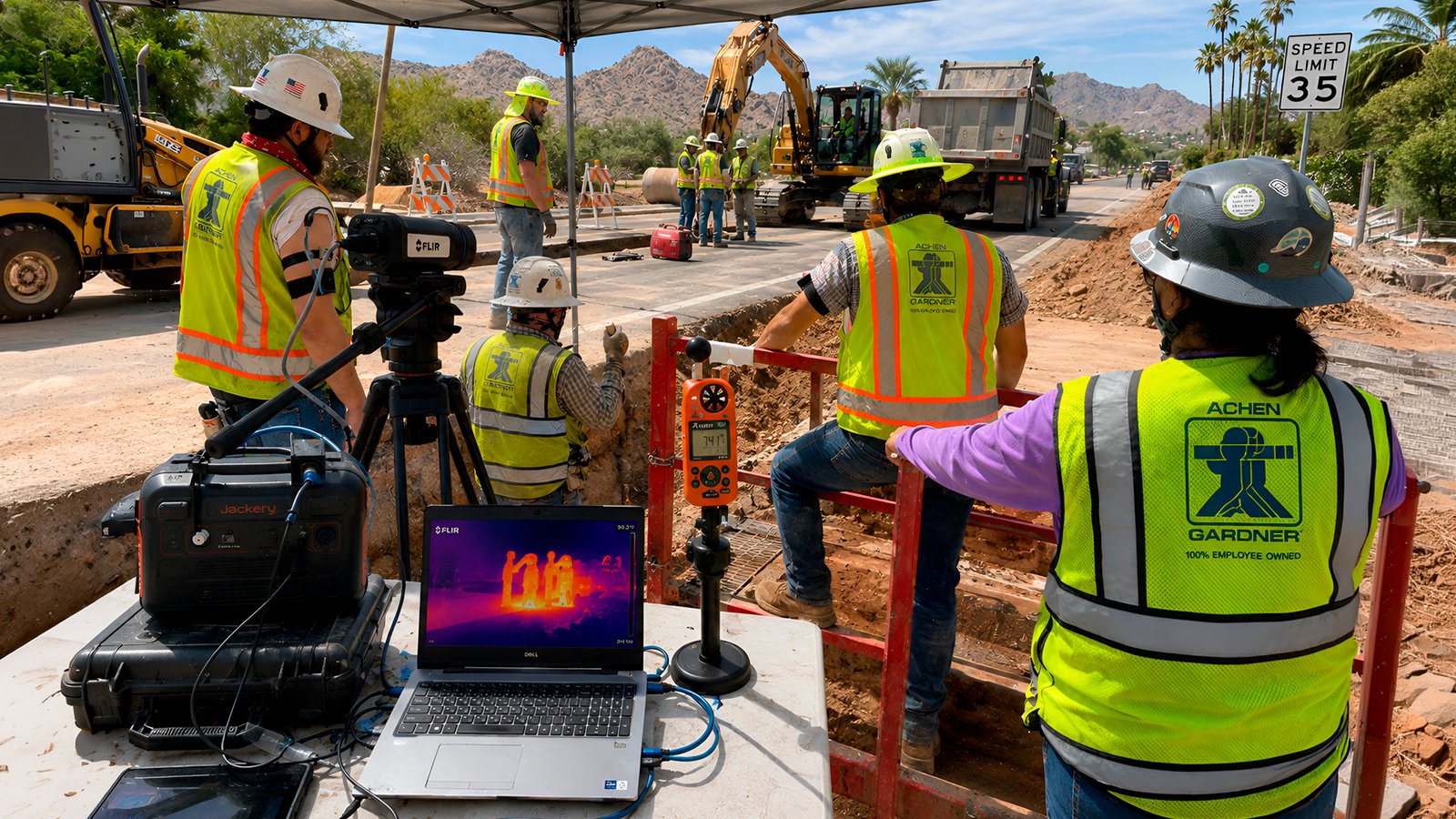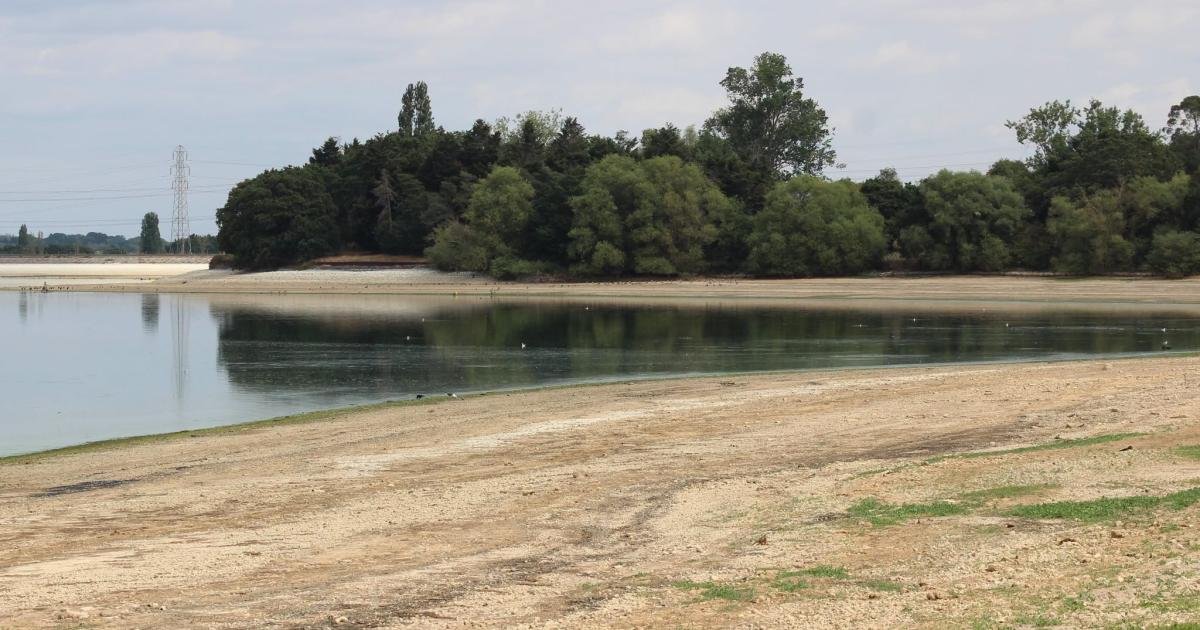






The rapid expansion of global infrastructure and the intensifying impacts of climate change are placing unprecedented pressure on the world’s critical ecosystems. As international efforts to meet the Paris Agreement goals accelerate, a complex tension has emerged between the urgent need for renewable energy development and the imperative to protect the biodiversity that sustains planetary health. Environmental scientists and policymakers are now grappling with the reality that “green” energy projects—if improperly sited—can inadvertently cause significant habitat loss.
The transition to a low-carbon economy relies heavily on solar, wind, and hydroelectric power. While these technologies are essential for reducing atmospheric carbon, the physical footprint of the infrastructure required is vast. A recent report by the International Union for Conservation of Nature (IUCN) highlights that large-scale solar farms and wind turbine arrays often overlap with high-biodiversity areas, including migratory corridors for avian species and sensitive landscapes that act as vital carbon sinks.
“We are at a crossroads where the solution to one crisis—climate change—must not exacerbate another: the extinction crisis,” says Dr. Elena Vance, a senior landscape ecologist. “The challenge lies in spatial planning. We cannot simply build where it is cheapest or most convenient; we must prioritize ‘smart siting’ to ensure that renewable installations do not fragment fragile ecosystems or displace endangered wildlife.”
Beyond energy infrastructure, land-use policies are being scrutinized for their role in environmental degradation. Deforestation for agricultural expansion remains the leading driver of biodiversity loss globally. Despite various corporate pledges to achieve “zero deforestation” supply chains, satellite data suggests that the rate of primary forest loss in the tropics remains alarmingly high. This depletion has a cascading effect, reducing the planet’s capacity to regulate water cycles and absorb carbon, which in turn accelerates the local impacts of climate change, such as droughts and flash flooding.
In response, international governing bodies are increasingly emphasizing the “30×30” initiative—a global commitment to conserve at least 30 percent of the Earth’s land and marine areas by 2030. Achieving this target requires a fundamental shift in how nations value natural capital. Economic frameworks are being adjusted to move beyond GDP, incorporating ecosystem services—such as pollination, water purification, and climate regulation—into national accounting.
Furthermore, the rise of “nature-based solutions” has gained traction as a cost-effective method for climate adaptation. This includes the restoration of mangroves and peatlands, which provide natural flood defense and sequester carbon at rates significantly higher than terrestrial forests. By integrating these natural buffers into urban and coastal planning, cities are finding that they can mitigate the impacts of extreme weather events while simultaneously fostering urban biodiversity.
However, the efficacy of these initiatives hinges on rigorous monitoring and transparent governance. Recent investigations into carbon offset markets have raised concerns about the validity of some conservation projects, with critics pointing to “greenwashing” where companies claim environmental benefits that fail to manifest on the ground. Environmental regulators are responding by pushing for standardized reporting frameworks, such as the Taskforce on Nature-related Financial Disclosures (TNFD), which requires corporations to disclose how their operations impact biodiversity and how they intend to mitigate these risks.
As the scientific community continues to monitor these developments, the consensus is clear: the path to sustainability requires a multi-faceted approach that balances the immediate necessity of technological transition with long-term ecological stewardship. Moving forward, the integration of real-time environmental data into policy development will be critical. By leveraging satellite monitoring, artificial intelligence, and indigenous traditional ecological knowledge, governments can make more informed decisions about land use, ensuring that the infrastructure of the future exists in harmony with the natural systems upon which all life depends.
The coming decade will likely define the success of these efforts. Whether the global community can reconcile the demands of a growing population with the constraints of the planetary boundary will depend on the speed and integrity of policy implementation. The integration of biodiversity into the core of economic decision-making is no longer a peripheral concern; it is a fundamental prerequisite for long-term stability and resilience.
Disclaimer: This content is auto-generated for informational purposes only.
Source: Read Original News