







The Strategic Pivot in the Diablo Franchise
Blizzard Entertainment has officially signaled a major shift in its long-term development roadmap for the Diablo series. Following the release of two substantial expansions since the title’s 2023 launch, the company has confirmed that Diablo 4 will receive no further full-scale expansions. Instead, the development team is redirecting its technical and creative resources toward the upcoming Diablo 5, which is currently scheduled for a spring 2029 release.
This transition marks a departure from the previously established model of annual expansions. While live-service elements will persist through seasonal content updates, the era of massive, game-changing paid add-ons for Diablo 4 has effectively reached its conclusion. Game Director Brent Gibson indicated that the narrative arc established in the base game, furthered by the recent Lord of Hatred expansion, provides a sufficient narrative foundation to lead players into the next major chapter of the franchise.
Narrative Continuity and the Story of Terror
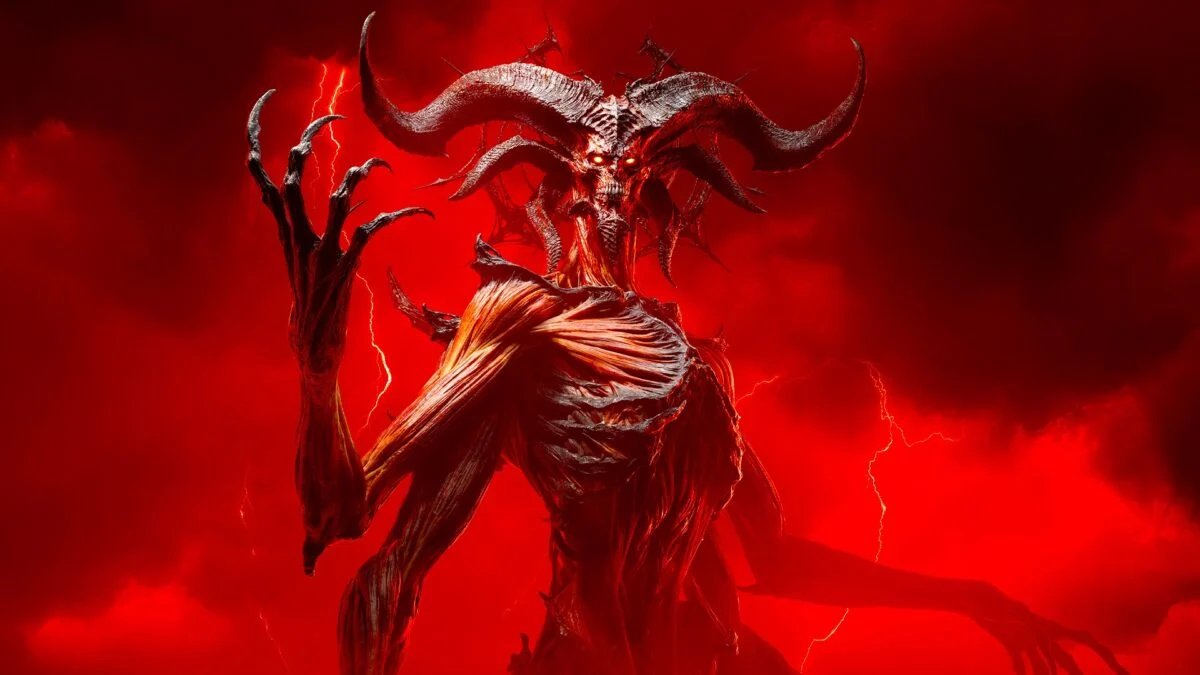
The shift in development focus is heavily tied to the franchise’s evolving lore. According to the development team, Diablo 4 was intended to tell the “Story of Hatred,” culminating in the confrontation with Mephisto. With that chapter closed, the studio is now shifting its focus to the “Story of Terror,” the overarching narrative theme for Diablo 5.
Diablo 5 is set to take place approximately one century after the events of the current title, plunging the world of Sanctuary into what is being described as the end times. By positioning the new game so far in the future, Blizzard is creating a narrative buffer that allows them to maintain continuity while introducing new threats. Gibson noted that while the team has a vision for this progression, the specific story beats will remain fluid, informed largely by how the community engages with the seasonal updates leading up to the sequel’s launch.
Evolution of the Live-Service Model
The decision to cap expansions for Diablo 4 represents a pivot from the earlier strategy proposed by former franchise leadership. At the game’s inception, the focus was heavily placed on a multi-year roadmap featuring both quarterly seasonal updates and annual paid expansions, a structure similar to other long-running live-service titles. However, the current strategy suggests that Blizzard is reevaluating the sustainability of maintaining an endless cycle of massive expansions alongside an ambitious sequel development.
Despite the halt on expansions, Diablo 4 will not be abandoned. Players can expect continued support through seasonal mechanics and balance adjustments. Furthermore, the studio has confirmed the introduction of the Amazon class, slated for arrival in the first half of 2027. This update indicates that while the game’s core scope is being capped, the technical team remains committed to delivering new character builds and gameplay iterations to keep the ecosystem active for the next several years.
Technical Legacy and Parallel Support
Drawing a comparison to the longevity of Diablo 2: Resurrected, which recently received a new Warlock class, Blizzard intends to maintain a degree of support for its titles long after their prime release windows. However, industry analysts suggest that managing two massive, active action-RPG titles simultaneously with high-frequency content drops is unlikely.
The transition process appears to be a calculated effort to prevent player fatigue while managing server resources. By funneling the majority of the studio’s technical expertise into Diablo 5, Blizzard aims to ensure that the next entry represents a significant leap in graphics, engine capabilities, and gameplay mechanics. The “Story of Terror” is clearly being positioned as the flagship experience, with Diablo 4 serving as the historical bridge that fans will inhabit while the sequel is polished to completion.
Market Impact and Community Expectations
The shift in content distribution has generated mixed reactions among the core player base. Those who anticipated a decade of content for Diablo 4 may find the news restrictive, yet the formalization of a sequel timeline provides a definitive objective for the community. For developers, the end of the expansion cycle allows for a more focused development environment, reducing the complexity of maintaining legacy code while building the foundation for the next iteration.
From a technological standpoint, this move allows Blizzard to iterate on the engine used for Diablo 4, incorporating lessons learned from the game’s launch and subsequent updates directly into the architecture of Diablo 5. The focus on seasonal storytelling suggests that the developers want to keep the current player base engaged through incremental gameplay changes rather than disruptive, massive content drops.
As the calendar approaches 2029, the gaming industry will be watching to see how successfully this transition manages to bridge the gap between two major entries in a long-standing franchise. By balancing the remaining years of Diablo 4 with the promise of a definitive end-times narrative in the next title, Blizzard is attempting to maintain the integrity of its brand while pushing the technical boundaries of what a modern action-RPG can deliver.
Disclaimer: This content is auto-generated for informational purposes only.
Source: Read Original News