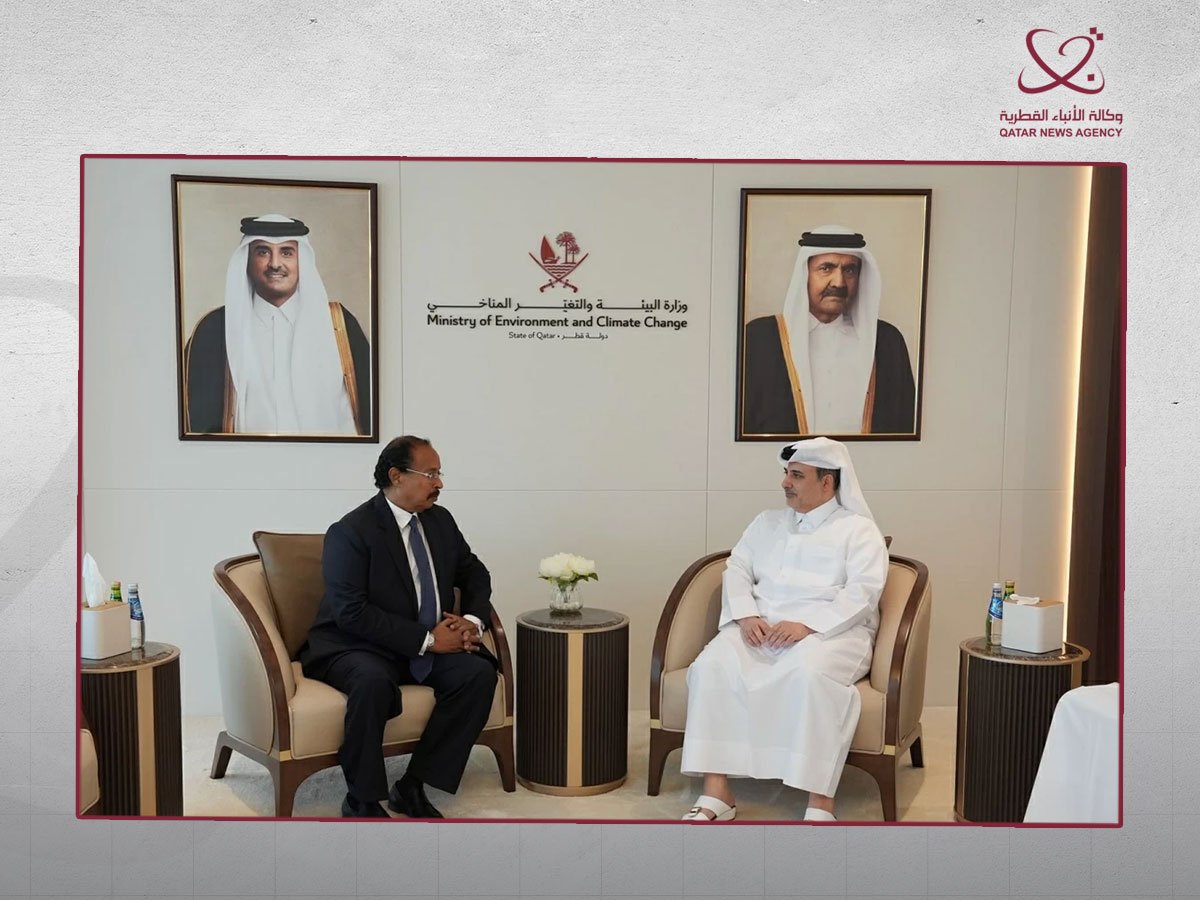








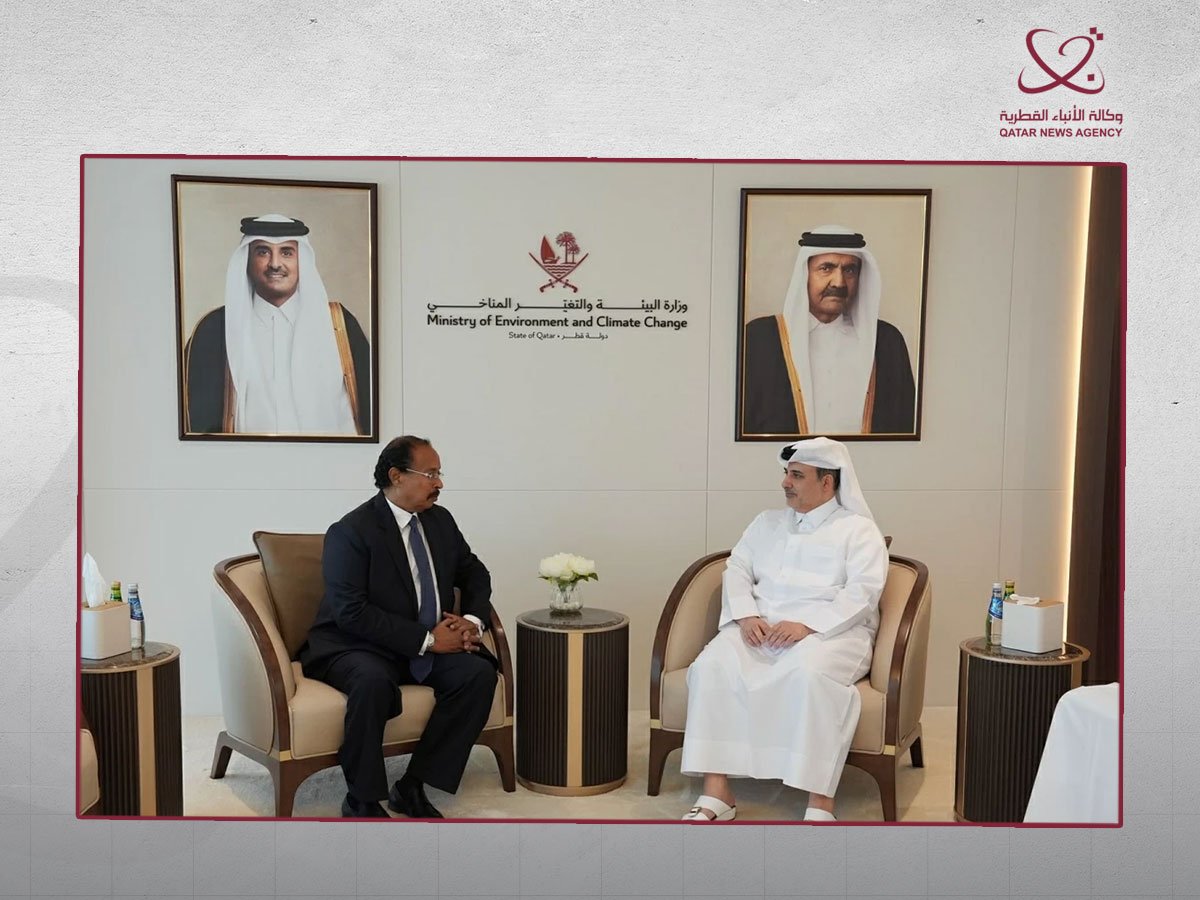
Doha, Qatar — HE the Minister of Environment and Climate Change, Dr. Abdullah bin Abdulaziz bin Turki Al Subaie, convened with HE the Ambassador of the State of Eritrea to the State of Qatar, Ali Ibrahim Ahmed, on Sunday to deliberate on strengthening bilateral cooperation in environmental protection and the pursuit of international climate objectives.
The meeting, held in Doha, served as a platform for both nations to align their environmental agendas, focusing specifically on the integration of sustainable practices and the advancement of global Sustainable Development Goals (SDGs). As the international community continues to grapple with the escalating impacts of climate change, the dialogue between Qatar and Eritrea underscores a growing recognition of the need for transboundary cooperation to mitigate ecological degradation and promote long-term environmental resilience.
During the discussions, HE Dr. Al Subaie and Ambassador Ali Ibrahim Ahmed reviewed existing bilateral ties, identifying key areas where technical expertise, policy frameworks, and conservation strategies could be shared. The conversation highlighted a mutual commitment to addressing the multifaceted challenges posed by climate change, including biodiversity loss, water resource management, and the transition to more sustainable economic models.
For Qatar, this engagement aligns with its National Vision 2030, which prioritizes environmental development as one of its four main pillars. The nation has increasingly sought to position itself as a hub for environmental innovation, investing heavily in renewable energy, food security technologies, and the restoration of natural habitats. By fostering diplomatic partnerships with nations across the African continent, such as Eritrea, Qatar aims to contribute to a more robust, coordinated global response to the climate crisis.
Ambassador Ali Ibrahim Ahmed emphasized the importance of these collaborative efforts for the Horn of Africa region, where climate volatility poses significant threats to agriculture, maritime ecosystems, and coastal livelihoods. Eritrea, which possesses a significant coastline along the Red Sea, shares a vested interest with Qatar in ensuring the health of marine environments and developing strategies to combat desertification and land degradation.
Both sides agreed that the exchange of information and the sharing of best practices regarding environmental policy are essential to achieving measurable progress. The meeting explored potential avenues for institutional collaboration, including capacity-building programs, research initiatives, and the implementation of international environmental agreements.
The discussions concluded with a shared commitment to maintain open channels of communication and to further develop a strategic roadmap for environmental cooperation. This meeting reflects a broader trend in global diplomacy, where environmental issues are increasingly moving to the center of international relations, viewed as critical components of national security, economic stability, and social welfare.
As both countries look toward future climate summits and international environmental forums, the strengthened ties between Doha and Asmara represent a proactive step toward regional and international environmental stability. By aligning their efforts, Qatar and Eritrea aim to foster sustainable development that serves both their domestic populations and the global environment at large.
The meeting reaffirms Qatar’s ongoing dedication to serving as an active member of the international community, working with partners globally to ensure that environmental protection remains a priority in the face of rapid industrial and global climate shifts.
Disclaimer: This content is auto-generated for informational purposes only.
Source: Read Original News