







A Strategic Partnership for Gaming Heritage
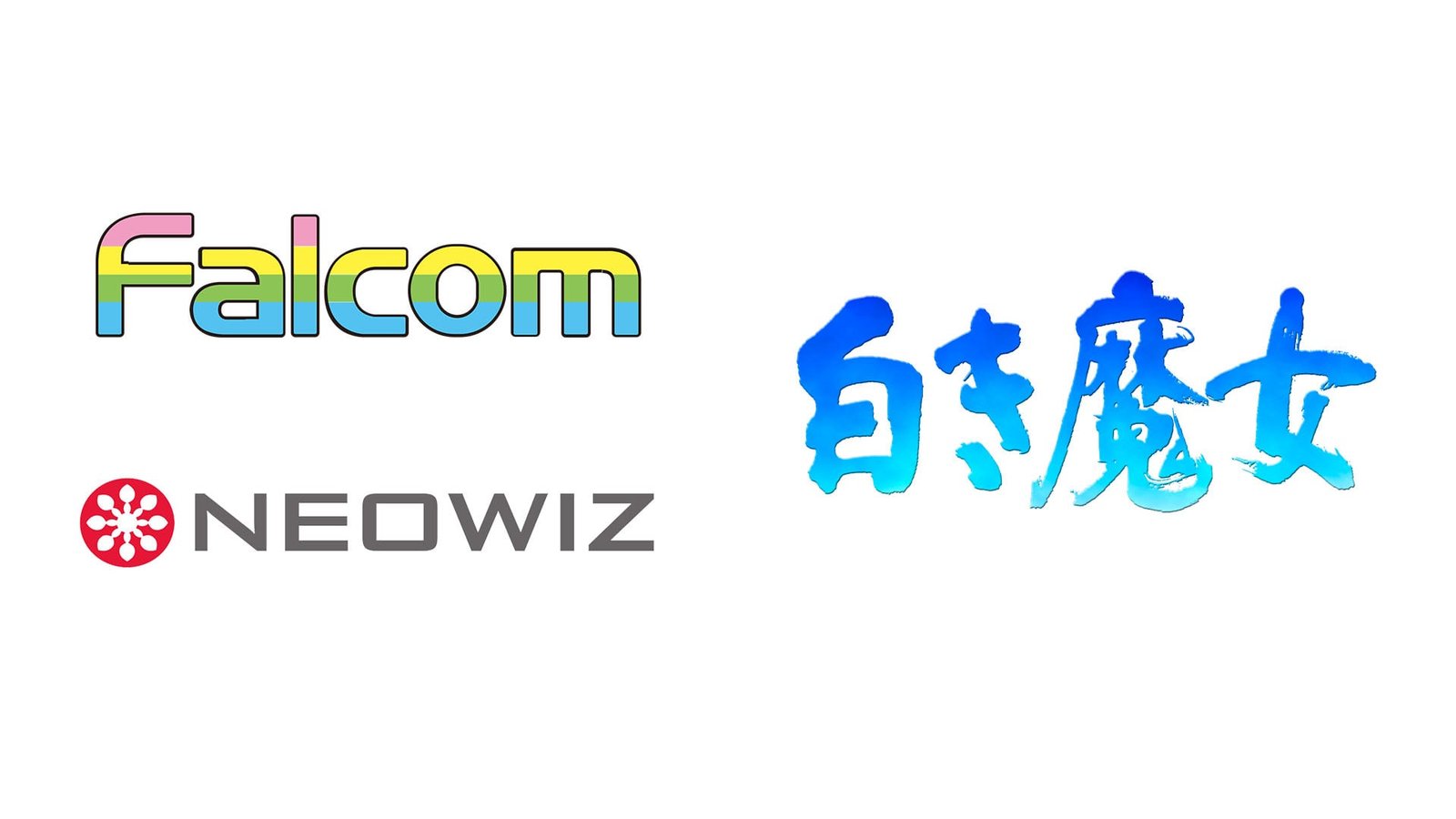
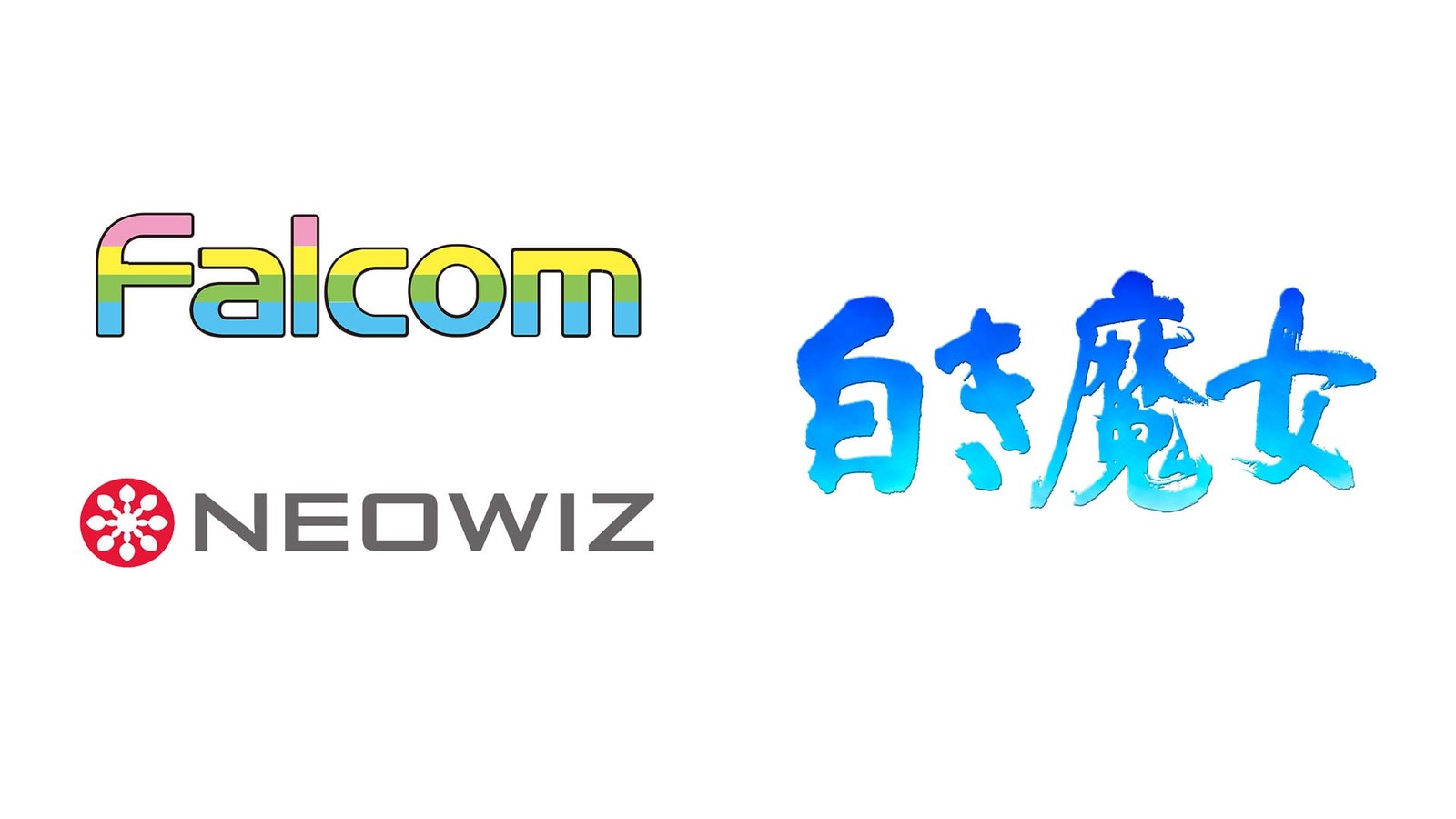
The landscape of modern game development often favors original intellectual property, yet there remains a significant industry demand for the revitalization of classic titles. Nihon Falcom, a studio long celebrated for its contributions to the role-playing genre, has officially entered into a licensing agreement with NEOWIZ to develop and release a new iteration of The Legend of Heroes III: Prophecy of the Moonlight Witch. This collaboration aims to bring a foundational piece of Japanese gaming history to contemporary PC and console hardware.
By delegating the development to NEOWIZ, Falcom is leveraging external technical expertise to ensure that a title originally released in 1994 for the PC-9801 architecture can be reconstructed for modern systems. This move follows a clear industry trend where legendary RPG franchises are subjected to structural overhauls—ranging from complete engine rebuilds to narrative expansion—ensuring they remain accessible to players who prioritize modern visual fidelity and refined user interfaces.
The Legacy of the Gagharv Trilogy
To understand the weight of this announcement, one must look at the historical significance of the Gagharv Trilogy, which includes The Legend of Heroes III: Prophecy of the Moonlight Witch, The Legend of Heroes IV: A Tear of Vermilion, and The Legend of Heroes V: Song of the Ocean. These three titles established the blueprint for what would eventually evolve into the expansive Trails series, known for its intricate world-building and character-driven narratives.
Prophecy of the Moonlight Witch, specifically, is remembered for its distinct departure from the combat-heavy RPGs of its era. Often described as a “poetic RPG,” the game prioritized the journey of two protagonists, Jurio and Christina, across the continent of Tirasweel. Its primary technical and narrative hook was a concept dubbed “the will to tell a story,” which emphasized dialogue, environmental storytelling, and the evolution of relationships rather than pure stat progression. As these games functioned as the origin point for the broader Legend of Heroes mythos, their preservation is essential for both historical archiving and narrative context for contemporary fans of the series.
Technical Challenges in Modernization
Bringing a title from the mid-1990s into the modern development pipeline is a complex engineering task. The original PC-9801 version utilized specific hardware limitations that dictated how sprites were rendered, how audio was processed, and how map data was compressed. NEOWIZ must now translate these legacy assets into a modern engine, likely requiring the complete re-creation of game systems.
Key challenges include adapting the original grid-based movement and turn-based combat for modern controllers and high-resolution displays. Furthermore, the original musical score, which was lauded as a breakthrough in RPG sound design, requires careful remastering to meet current standards for high-fidelity audio output. The technical team will need to decide whether to retain the isometric perspective of the original or migrate the title to a fully 3D environment, a choice that will fundamentally alter the pacing and navigation of the game.
Addressing Fan Expectations
The pressure on this project is significant, largely due to the title’s standing within the gaming community. During the 40th-anniversary survey conducted by various gaming media outlets, the Gagharv Trilogy was identified as the series most desired by fans for a remake on current hardware. This indicates a high level of scrutiny from a dedicated player base that expects faithfulness to the source material alongside modern accessibility.
For NEOWIZ, the primary objective is to balance the preservation of the original narrative beats—which include the specific character interactions during Jurio and Christina’s pilgrimage—with the expected quality-of-life features that modern players demand. These include refined save systems, intuitive quest tracking, and improved combat balancing. By focusing on these elements, the developers can ensure that the “poetic” nature of the original experience is not lost to modern technical complexity.
Impact on the Future of the Franchise
This licensing agreement signals a shift in how Falcom manages its intellectual property. By allowing a partner like NEOWIZ to handle the development, Falcom can focus on its current projects while ensuring that its legacy back catalog receives the technical investment necessary to remain relevant. If the new Prophecy of the Moonlight Witch proves successful, it could set a precedent for the remaining two entries of the Gagharv Trilogy to receive similar treatment.
The potential impact extends beyond just the fans of the original. Bringing these stories to the modern console and PC market provides a new generation of players with the necessary context to appreciate the development of the Trails series. It serves as a bridge, connecting the early experimental designs of the 1990s with the complex, interconnected world-building found in current entries of the Legend of Heroes franchise. As the industry continues to emphasize cross-generational appeal, this project stands as a notable example of bridging the gap between historical software and current platform capabilities.
Disclaimer: This content is auto-generated for informational purposes only.
Source: Read Original News