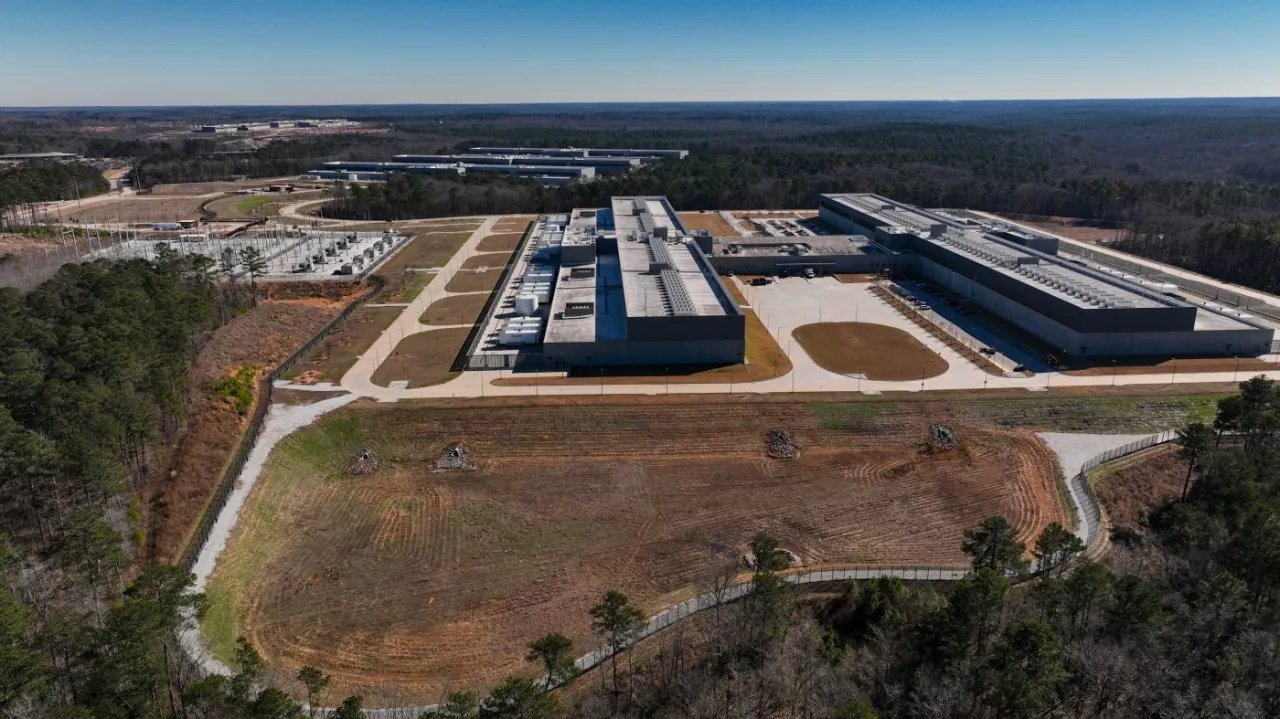










The Scottish government has introduced a new, rigorous regulatory framework for data centres, setting a higher bar for environmental accountability as the nation seeks to balance its burgeoning digital infrastructure with its ambitious net-zero targets. Under the updated policy, any new data centre development with a power capacity exceeding 50 megawatts (MW) will now be subject to significantly more stringent environmental requirements, marking a shift toward greater oversight of the sector’s energy footprint.
The policy change comes as Scotland—and the wider United Kingdom—grapples with a surge in demand for high-performance computing, driven largely by the rapid expansion of artificial intelligence, cloud services, and big data processing. While these facilities are essential for a modern digital economy, they are notoriously energy-intensive, requiring substantial electricity for server operations and advanced cooling systems.
The new mandate requires developers of large-scale facilities to provide comprehensive evidence regarding their energy efficiency and long-term sustainability plans before approval can be granted. Key requirements include the implementation of advanced heat-recovery systems—a move designed to repurpose the significant waste heat generated by server clusters for use in local district heating schemes. This transition represents a shift in strategy from viewing data centres as isolated energy consumers to integrating them into circular energy economies.
Furthermore, the Scottish government is tightening restrictions on the use of backup power generators. Traditionally, data centres have relied heavily on diesel-powered units to ensure operational continuity during grid failures. Under the new guidelines, developers are being pushed to transition toward greener alternatives, such as hydrogen fuel cells, battery storage arrays, or other low-emission technologies. This transition is intended to mitigate the local air quality impact and carbon emissions associated with testing and running emergency power systems.
“Data centres are the backbone of the digital age, but their growth cannot come at the expense of our climate objectives,” a spokesperson for the Scottish government stated. “By imposing these standards, we are ensuring that infrastructure development remains aligned with our commitment to reaching net-zero emissions by 2045.”
The decision to target facilities above the 50MW threshold reflects the government’s focus on “hyperscale” operators. While smaller centres remain subject to existing environmental regulations, the government argues that the largest facilities present the greatest risk to national grid stability and the most significant opportunity for carbon reduction through design innovation.
Industry reaction has been mixed. While several technology leaders have welcomed the clarity provided by the new regulations, some developers have expressed concerns regarding the potential impact on construction timelines and capital costs. There is apprehension that the stringent requirements for heat recovery and onsite renewable integration could act as a deterrent for international investment if the regulatory burden becomes disproportionately high compared to other jurisdictions.
However, advocates for environmental sustainability contend that these measures are both necessary and overdue. Climate researchers have long warned that without aggressive oversight, the energy demand of data centres could overwhelm regional power grids and jeopardize the decarbonization of the heating and transport sectors. By mandating efficient design from the outset, the Scottish government aims to prevent the “carbon lock-in” that occurs when energy-inefficient buildings are commissioned and then operated for decades.
As Scotland positions itself as a competitive hub for European data storage and processing, the efficacy of this policy will likely serve as a blueprint for other nations. By leveraging planning and environmental law to enforce sustainable design, the government is signalling that future digital growth must be built on the foundations of energy efficiency and environmental stewardship. The next several months will be critical, as developers and regulators navigate the implementation of these standards for current and future project pipelines.
Disclaimer: This content is auto-generated for informational purposes only.
Source: Read Original News