






The Architecture of Power: Understanding the Tata Group’s Governance Model
The Tata Group, an institutional pillar of the Indian economy for nearly 160 years, is currently navigating a period of significant internal transition. The conglomerate, which spans diverse sectors including steel, automobiles, information technology, aviation, and retail, operates through a unique ownership and governance structure that distinguishes it from traditional corporate entities. At the apex of this structure sits Tata Sons, the primary investment holding company and promoter of the group’s numerous enterprises.
The complexity of the current leadership dispute stems directly from the division between commercial operations and philanthropic control. Tata Sons serves as the corporate powerhouse, managing the strategic direction of companies like Tata Motors, Tata Consultancy Services, and Air India. However, the majority ownership—approximately 66% of the equity—resides with Tata Trusts, a collective of charitable organizations. This arrangement ensures that the group remains aligned with the philanthropic vision established by the founders. While individual Tata companies operate with their own boards and independent management, the overarching strategy and leadership appointments are heavily influenced by the interplay between the board of Tata Sons and the trustees of the philanthropic bodies. This structure, designed to protect the group from hostile takeovers and ensure long-term stability, has now become the epicenter of a high-stakes leadership conflict.
The Leadership Standoff and Internal Dissent
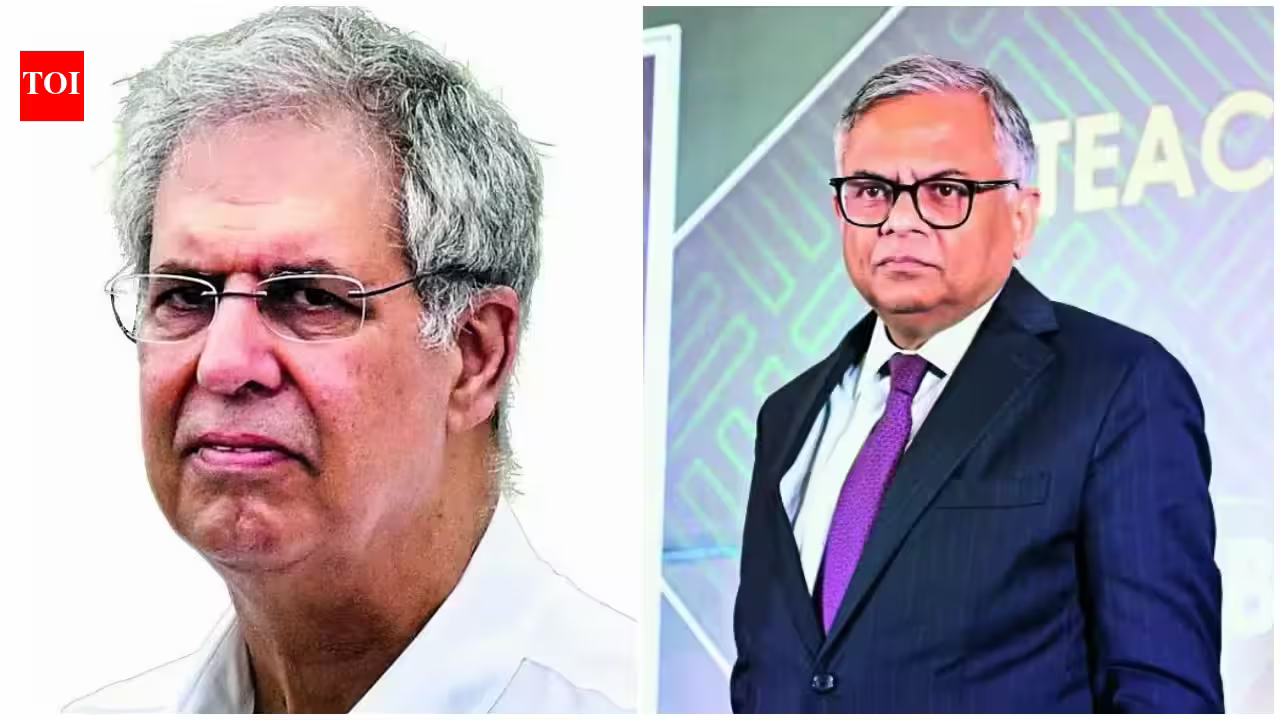
The central friction point involves N Chandrasekaran, the Executive Chairman of Tata Sons, whose current tenure is set to expire in early 2027. Despite his initial stated intention to step down, the board of Tata Sons moved to extend his tenure by another five years. This resolution, passed by a majority vote, has been met with immediate and vocal opposition from Tata Trusts, led by its chairman, Noel Tata.
The disagreement hinges on the interpretation of internal governance bylaws. Tata Trusts contends that the reappointment is legally invalid, citing specific provisions in the Articles of Association that purportedly require the support of trustees for matters of such magnitude. Noel Tata’s dissent—and his formal vote against the proposal—highlights a growing divide regarding the authority of the board versus the authority of the majority shareholder. The Trusts have argued that once the outgoing chairman signaled his departure, the process for selecting a successor should have commenced immediately, rather than reverting to a reappointment push. This disagreement is not merely procedural; it reflects a struggle over the future trajectory of the conglomerate and the degree of influence the charitable trusts should exercise over executive decisions.
Regulatory Pressures and the Path Toward Public Listing
Compounding the internal leadership crisis is a pressing regulatory mandate from the Reserve Bank of India (RBI). For years, Tata Sons has functioned as the group’s core investment vehicle, operating under a regulatory status that allowed it to avoid a public listing. However, the RBI recently rejected the company’s request to surrender its Certificate of Registration, effectively mandating that Tata Sons comply with the regulatory framework governing major non-bank financial companies. This framework necessitates a public listing.
The requirement to list poses significant operational and structural challenges for a conglomerate that has historically prioritized private control through trusts. A public listing would introduce new levels of transparency, shareholder accountability, and regulatory oversight. The board of Tata Sons has indicated its intent to move forward with the compliance process, but the transition is complicated by the ongoing leadership dispute. The need to navigate these regulatory waters while simultaneously resolving a board-level deadlock adds a layer of urgency to the situation, as the market and stakeholders await clarity on both the company’s future governance and its capital structure.
The Legacy and Performance of N Chandrasekaran
N Chandrasekaran, often referred to as “Chandra,” holds the distinction of being the first chairman from outside the founding family, a move initiated by the late Ratan Tata. His tenure has been defined by a significant expansion of the group’s market capitalization, which has seen substantial growth since he took the helm in 2017. Under his leadership, the group has aggressively pursued expansion in high-tech manufacturing, including semiconductors and electronics, while solidifying its presence in the aviation sector through the acquisition and integration of Air India.
Despite his reputation as a steady hand and a technocrat, his tenure has faced formidable challenges, including global supply chain disruptions, cybersecurity incidents, and the rapid evolution of the technology sector impacting the group’s flagship IT arm, Tata Consultancy Services. The board’s insistence on his reappointment suggests that they view his experience as critical for navigating the current, complex geopolitical and economic landscape. However, the opposition from the Trusts underscores that technical proficiency and past performance are no longer the only metrics by which the board’s decisions are being evaluated. The dissent highlights a requirement for absolute alignment with the vision of the majority shareholders.
Implications for Indian Corporate Governance
The public nature of this dispute within one of India’s most venerable business houses carries broader implications for the national corporate ecosystem. It serves as a case study in the complexities of managing legacy institutions in a modern, regulated market. The reliance on a system of charitable trusts to control a multi-billion dollar commercial empire is an unconventional model that faces increasing scrutiny from regulators and observers alike.
As the situation unfolds, the resolution will likely center on legal interpretations of the company’s Articles of Association and the willingness of stakeholders to reach a compromise that avoids protracted litigation. The conflict also raises questions about the “succession culture” within family-owned or trust-held conglomerates, where the transition of leadership is expected to be seamless but often reveals deeper systemic fissures. For the Tata Group, the path forward requires reconciling the demands of modern market regulation, the expectations of institutional investors, and the foundational principles of the trusts that underpin the group’s unique identity. How the group resolves this stalemate will undoubtedly serve as a benchmark for governance standards and institutional resilience in the Indian business context for years to come.
Disclaimer: This content is auto-generated for informational purposes only.
Source: Read Original News