






India Stands Firm on Energy Strategy Amid New US Sanctions Against Russia
New Delhi has asserted its autonomy in global energy markets, signaling that it will persist in purchasing crude oil from a diverse array of international suppliers. This firm stance follows the passage of sweeping new US legislation aimed at curtailing Russia’s financial ability to sustain its ongoing conflict in Ukraine. The American sanctions package, which now awaits the signature of President Donald Trump, represents a significant escalation in Washington’s efforts to isolate Moscow by targeting its defense and energy sectors, as well as its controversial “shadow fleet” of tankers.
Protecting Energy Security
In a formal response to the legislative developments in Washington, the Indian Ministry of Foreign Affairs emphasized that the country’s primary obligation remains the energy security of its 1.4 billion citizens. The ministry stated that India would continue to fulfill these requirements through a strategy of “diversified sourcing,” which is governed by shifting market dynamics rather than external geopolitical pressures.
“The Indian side has also made clear its determination to take all necessary measures to protect its trade and economic interests,” the ministry added. By framing energy imports as an economic necessity rather than a political endorsement, New Delhi is attempting to insulate its domestic economy from the volatility caused by global conflicts.
Navigating Geopolitical Pressures
The new US legislation grants the American president the authority to impose tariffs of up to 100 percent on major importers of Russian oil and gas, including India and China. This represents a significant potential hurdle for the Indo-US partnership. However, Indian officials noted that they have been engaged in high-level dialogues with their American counterparts for months. Throughout these discussions, New Delhi has consistently highlighted the potential negative implications that such restrictive policies could have not only on bilateral relations but also on the stability of the global energy market.
India’s reliance on Russian energy has grown considerably since the start of the conflict in Ukraine. Leveraging temporary US waivers during the onset of regional Middle East hostilities, Indian refiners ramped up imports from Russia to nearly 2.25 million barrels per day in March. While shipments hit a record peak of 2.81 million barrels in July, trade data indicates that volumes have begun to stabilize, settling at approximately 2.07 million barrels last month.
Strategic Ties and Global Alliances
The timing of this legislative friction coincides with a deepening of diplomatic ties between Moscow and New Delhi. Just last week, President Vladimir Putin visited the Indian capital for discussions with Prime Minister Narendra Modi, a meeting that set the stage for the upcoming BRICS summit. Russia remains one of India’s most critical strategic partners and a primary supplier of military hardware, a relationship that persists despite intense scrutiny from Western capitals.
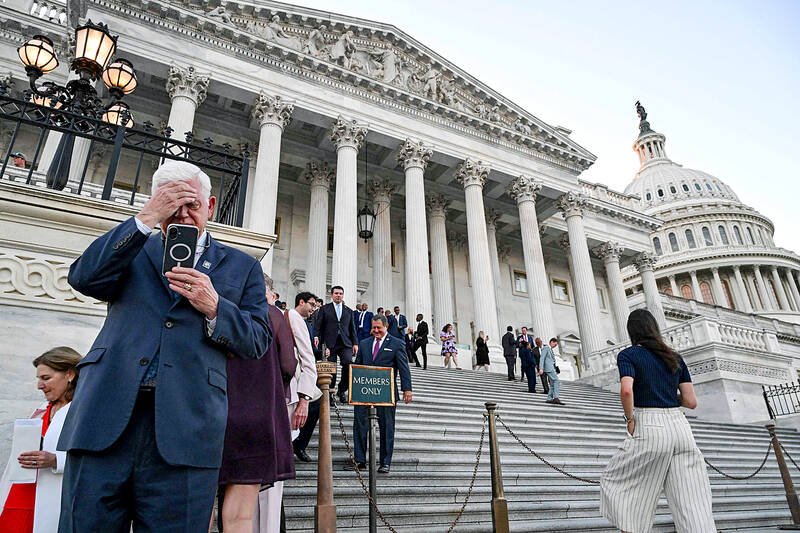
As the US prepares to enact these robust sanctions—following a 262-159 vote in the House of Representatives—the international community is watching to see how the White House will exercise its new tariff authorities. For now, India’s message remains consistent: it intends to maintain its strategic independence, balancing its critical partnership with Moscow with its vital ties to Washington while ensuring the lights stay on for its growing population.
Disclaimer: This content is auto-generated for informational purposes only.
Source: Read Original News