







A stark warning regarding the intersection of environmental health and national security has moved to the forefront of parliamentary debate, following a comprehensive assessment by the Department for the Environment. The report, Global biodiversity loss, ecosystem collapse and national security, serves as a strategic roadmap for UK resilience, drawing on cross-government analysis to conclude that “nature is the foundation of national security.”
The document highlights how the degradation of natural systems is not merely an ecological concern but a systemic threat that directly endangers food security, water supplies, public health, and global supply chains. According to government experts, these environmental pressures can act as a catalyst for wider geopolitical instability and economic disruption. The gravity of these findings has prompted the House of Commons Library to issue a dedicated briefing, underscoring the urgent need for a shift in how the government approaches infrastructure and resource management.
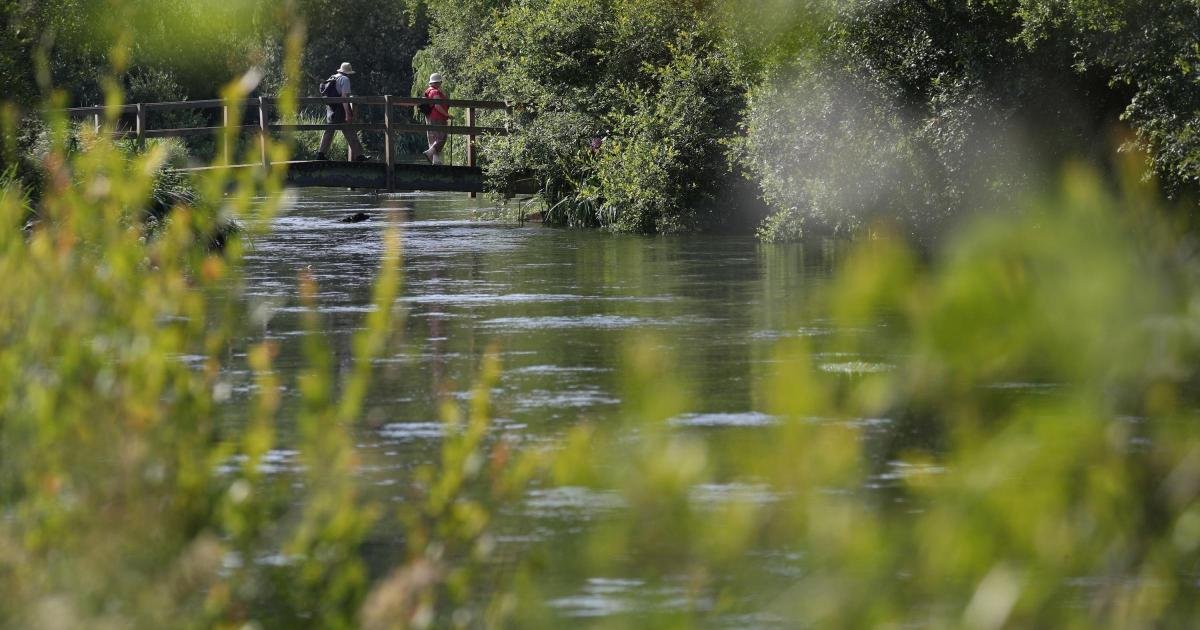
Domestic data from the past year reinforces the assessment’s conclusions, illustrating that the UK’s vulnerability is immediate and local. Recent climate-related challenges have hit British agriculture particularly hard, with wheat and spring barley yields significantly trailing behind five-year averages. In regions like Hampshire, prolonged periods of hot, dry weather have placed severe pressure on water resources, threatening the viability of local farming.
Beyond agriculture, the changing climate has introduced new biological risks. The agricultural sector is currently grappling with a widespread outbreak of the bluetongue virus (BTV-3), transmitted by midges, a situation exacerbated by rising temperatures that alter the life cycles and survival rates of agricultural pests. Furthermore, the human cost is becoming increasingly difficult to ignore; the UK Health Security Agency reported that nearly 3,000 heat-associated deaths were recorded in England during the early summer of 2026 alone.
These incidents are part of an interconnected system where nature, climate, food, and human health are inextricably linked. The government’s assessment points to a critical structural weakness: the UK imports roughly 40% of its food, yet its domestic production capacity is increasingly compromised by declining soil health and the erosion of ecosystem resilience.
In response to these findings, local leaders are calling for a radical rethink of regional development. Cllr Danny Lee, of the Winchester City Council, argues that if nature is the bedrock of national resilience, it must be integrated into the foundation of all planning for growth, housing, and infrastructure. As the new Hampshire and the Solent Combined Authority prepares its upcoming Growth Plan and Spatial Development Strategy, there are calls to establish a “Natural Capital Framework.” Such a framework would map the natural assets upon which the regional economy depends and identify where targeted investments could buffer against environmental shocks.
The government’s national security assessment concludes that the cost of restoring and protecting ecosystems is significantly “easier, cheaper and more reliable” than attempting to replicate or replace their functions once they have failed. The emerging consensus among experts and policymakers is that nature must no longer be viewed as an obstacle to economic growth, but as an essential component of the nation’s critical infrastructure.
For Hampshire and the Solent, the task ahead is clear: environmental protection must be elevated to the same level of strategic importance as roads, energy grids, and water networks. As the evidence of systemic risk continues to mount, the regional priority is shifting from mere recognition of the problem to the active, integrated investment in the natural capital that secures long-term prosperity.
Disclaimer: This content is auto-generated for informational purposes only.
Source: Read Original News