







Manufacturing executives are bracing for a period of paradox in 2026, balancing the most optimistic growth projections seen in four years against a backdrop of stubborn economic headwinds. According to the National Association of Manufacturers’ (NAM) Q3 2026 Outlook Survey, the industrial sector is gearing up for a significant expansion in production and sales, even as rising costs and global instability threaten to temper that progress.
## The Growth Paradox: Demand vs. Expenses
The survey data reveals a clear disconnect between market demand and operational overhead. Manufacturers are projecting sales growth of 4.3% and production increases of 3.8% over the next year—marking the highest growth estimates since the second quarter of 2022.
However, this surge in activity is being countered by an anticipated 5% rise in raw material costs. For the second consecutive quarter, input costs topped the list of primary business challenges, followed closely by the rising price of healthcare and persistent uncertainty regarding international trade policies.
“Arizona manufacturers are ready to grow, invest and compete, but the cost of doing business remains a significant challenge,” said Grace Appelbe, Executive Director of the Arizona Manufacturers Council. Appelbe noted that the ongoing friction caused by tariffs—which act as import taxes on essential raw materials—is forcing companies to weigh the necessity of these inputs against the risk of passing higher costs to consumers.
## Logistics and Global Turbulence
The supply chain landscape remains fragile as manufacturers navigate global instability. The conflict in the Middle East continues to complicate logistics, with over 60% of survey respondents indicating that conditions have seen no improvement, while roughly a third report that challenges have actually intensified.
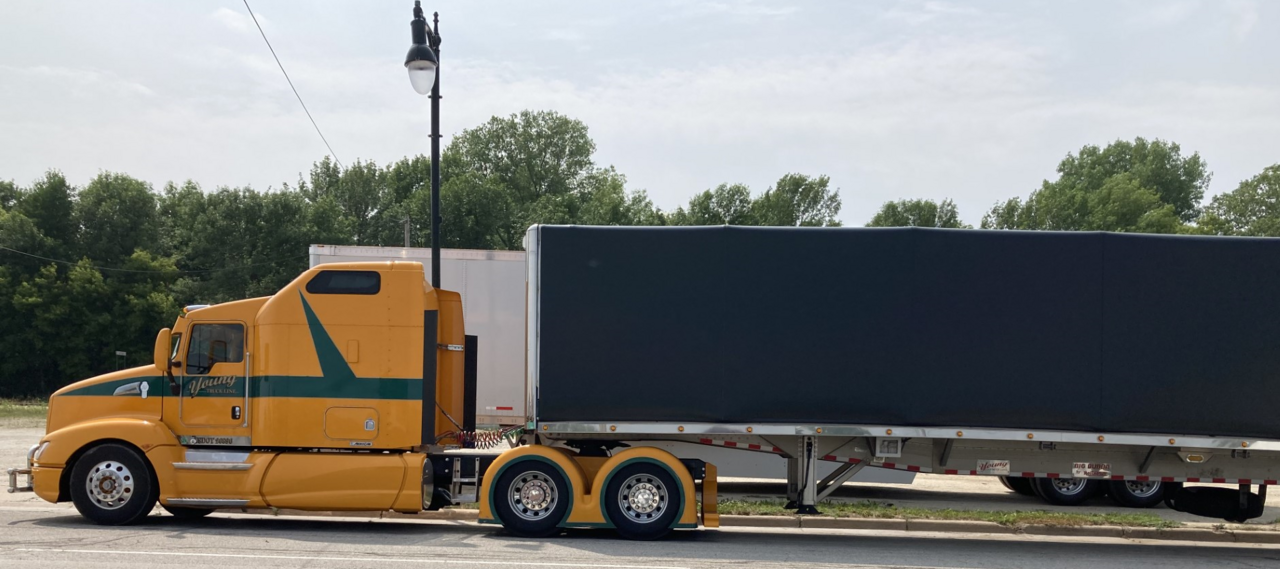
Transportation remains a critical pain point. Nearly 78% of manufacturers identified freight rates as a major obstacle, while 74% cited fuel costs as a primary concern. Because 98.6% of the sector relies on trucking to move goods, fluctuations in the energy and logistics markets exert a direct, immediate pressure on the bottom line. These logistical realities are forcing firms to look for tech-driven efficiencies to offset human-centric and fuel-related expenses.
## Modernization Through Strategic Investment
Despite these pressures, the appetite for capital investment is robust. Roughly 63% of manufacturers surveyed plan to import machinery or key components in the coming year to modernize their facilities. Of that group, a significant majority plan to replace aging systems, while 63.6% are looking to expand their total operational capacity.
This push toward modernization comes as the industrial sector increasingly integrates advanced technologies—such as AI-driven predictive maintenance and automated quality control—to stay competitive. While the industry is eager to modernize, leadership at NAM is pushing for federal intervention to facilitate this transition. Jay Timmons, President and CEO of NAM, is actively advocating for a “U.S. Manufacturing Investment Accelerator Program.” This proposed initiative aims to lower the barrier for entry for smaller firms looking to secure the high-tech industrial machinery necessary to remain viable in an era of global competition.
As Arizona continues to cement its reputation as a hub for semiconductors, aerospace, and defense, the state’s manufacturers remain a bellwether for the national economy. The data suggests that while the industry is primed for a breakout year, the speed and sustainability of that growth will depend largely on whether policymakers can address the underlying issues of permitting reform, trade stability, and transportation infrastructure. For now, the spirit among manufacturers remains one of cautious ambition—ready to scale, provided the economic environment allows them to keep their competitive edge.
Disclaimer: This content is auto-generated for informational purposes only.
Source: Read Original News