








iPhone 18 Pro Hits Indian Doorsteps in Minutes as Quick-Commerce Revolution Accelerates
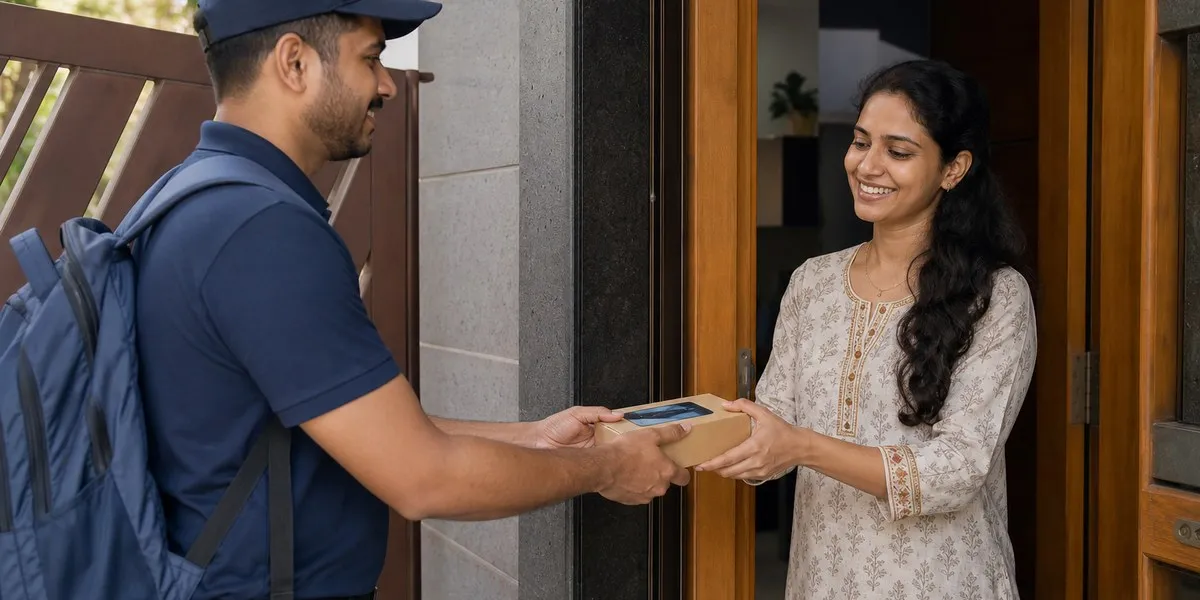
The launch of the iPhone 18 Pro and iPhone 18 Pro Max in India has signaled a transformative shift in the nation’s retail landscape. While traditional Apple enthusiasts queued outside premium outlets, a significant segment of consumers opted for the convenience of quick-commerce, receiving their brand-new flagship devices at their doorsteps in as little as 10 minutes.
Platforms including Blinkit, Zepto, Swiggy’s Instamart, and BigBasket moved beyond their traditional focus on groceries and household essentials to capture the premium smartphone market. By integrating the latest Apple devices into their high-speed logistics networks on the day of the global launch, these services have effectively bridged the gap between instant gratification and high-end consumer electronics.
A Surge in Launch-Day Demand
The response from Indian consumers was immediate and intense. BigBasket reported an impressive milestone, successfully delivering over 300 units of the iPhone 18 Pro and Pro Max within the first hour of sales. Similarly, Swiggy’s Instamart noted that Bengaluru and Delhi emerged as the primary hubs for these ultra-fast deliveries.
Data provided by these platforms highlighted a clear consumer preference for specific configurations. The burgundy-colored iPhone 18 Pro with 256 GB of storage proved to be the standout favorite, accounting for nearly one-third of total sales on certain platforms. However, the sheer velocity of demand quickly led to inventory constraints. Within hours of the launch, availability became inconsistent, with some high-demand models selling out in specific neighborhoods even while stock remained accessible in other parts of the same metropolitan areas.
The Future of Quick Commerce in India
This successful integration of premium electronics into the quick-commerce model is not merely a logistical feat but a reflection of the broader retail evolution currently sweeping across urban India. Estimates from Redseer Strategy Consultants reveal that the Indian quick-commerce sector ballooned to a valuation of approximately $9 billion during the first half of 2026. The user base has expanded aggressively, growing from 8 million to over 60 million active monthly users in just three years.
Projections from Google and Deloitte suggest that this momentum is far from plateauing. By 2030, the market is expected to reach a staggering $50 billion. Crucially, experts believe that non-food items—including high-end electronics, fashion, and cosmetics—will account for nearly 45% of total spending in this sector.
Industry analysts suggest that while this trend is significant, it remains in its infancy. Tarun Pathak, research director at Counterpoint Research, noted that launch-day deliveries serve as a powerful testament to the potential of these platforms in major cities, even if the total volume of quick-commerce smartphone sales remains a small fraction of Apple’s overall distribution in India.
Navkendar Singh, vice president at IDC, echoed this sentiment, highlighting that India remains a uniquely distinct market for this format. “The trust that residents of large metropolitan areas place in these delivery services is the driving force,” Singh observed. “While it hasn’t yet replaced traditional retail as the primary channel for smartphones, the convenience factor is clearly altering consumer expectations and setting a new benchmark for brand accessibility in India.”
Disclaimer: This content is auto-generated for informational purposes only.
Source: Read Original News