







New U.S. Sanctions Law Puts India’s Energy Strategy and Export Ties to the Test
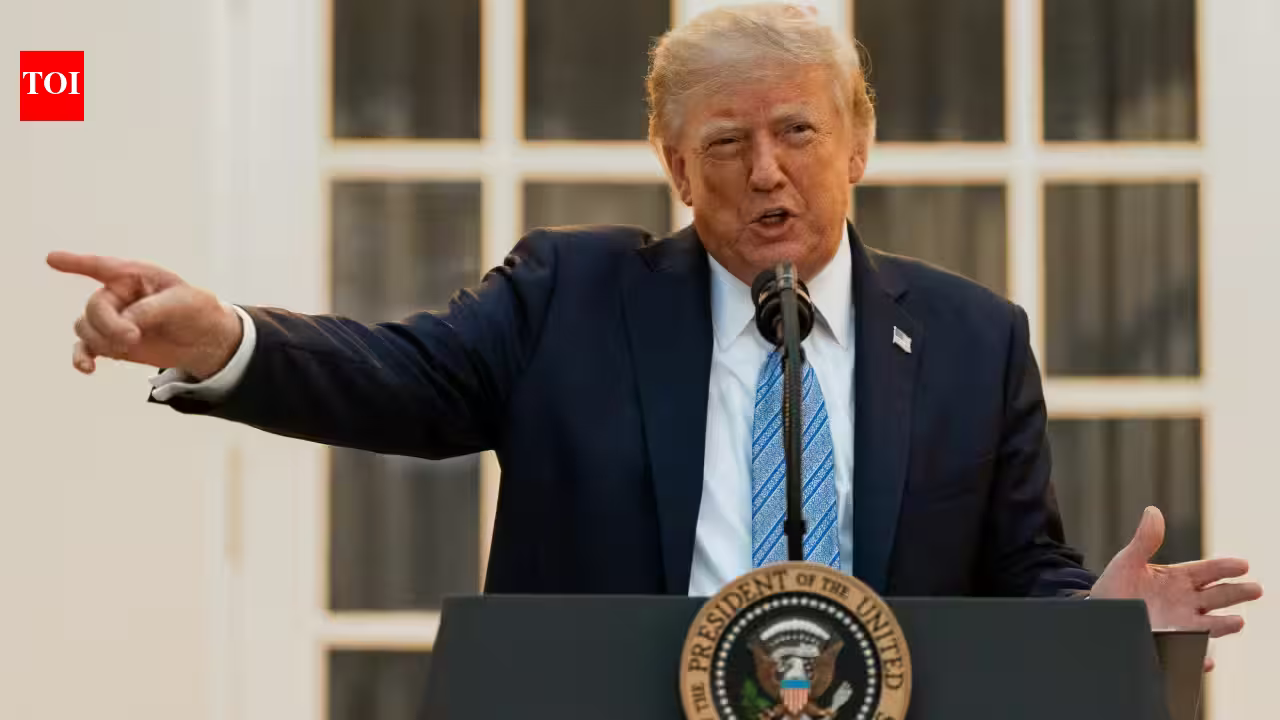
The geopolitical landscape for India’s energy sector faces a significant shift following the U.S. Congress’s approval of the “Lindsey O. Graham Sanctioning Russia and Iran Act of 2026.” The legislation, which is now headed to President Donald Trump’s desk for his signature, grants the U.S. administration the authority to impose heavy tariffs of up to 100% on goods originating from nations that rank among the top five global purchasers of Russian oil and gas.
While the bill does not explicitly target India, the country’s current standing as a primary destination for Russian crude—which now accounts for over 40% of India’s total oil imports—places New Delhi in a precarious position. The move reflects a tightening of U.S. foreign policy aimed at curtailing revenues flowing to the Russian Federation, but it introduces complex economic challenges for the Indian economy.
The Economic Dilemma for New Delhi
For India, the choice between energy security and trade stability is becoming increasingly difficult. Russian oil has provided Indian refineries with a crucial supply of affordable crude, helping keep domestic fuel costs in check despite global price volatility. Should the United States exercise its new powers to apply punitive tariffs, India faces two difficult paths: either rapidly scale back Russian oil imports or risk retaliatory trade measures on Indian products.
Replacing Russian supplies with crude from alternative markets would likely lead to a sharp spike in import costs. Given that fuel prices are a sensitive political issue ahead of India’s 2027 regional elections, the government is wary of any move that could fuel domestic inflation. Furthermore, the United States remains a vital export partner for India; between April and August 2026 alone, Indian goods exported to the U.S. reached a valuation of roughly $42.8 billion. Disrupting this trade flow through tariffs could inflict substantial damage on India’s manufacturing and export sectors.
Government Response and Diplomatic Stance
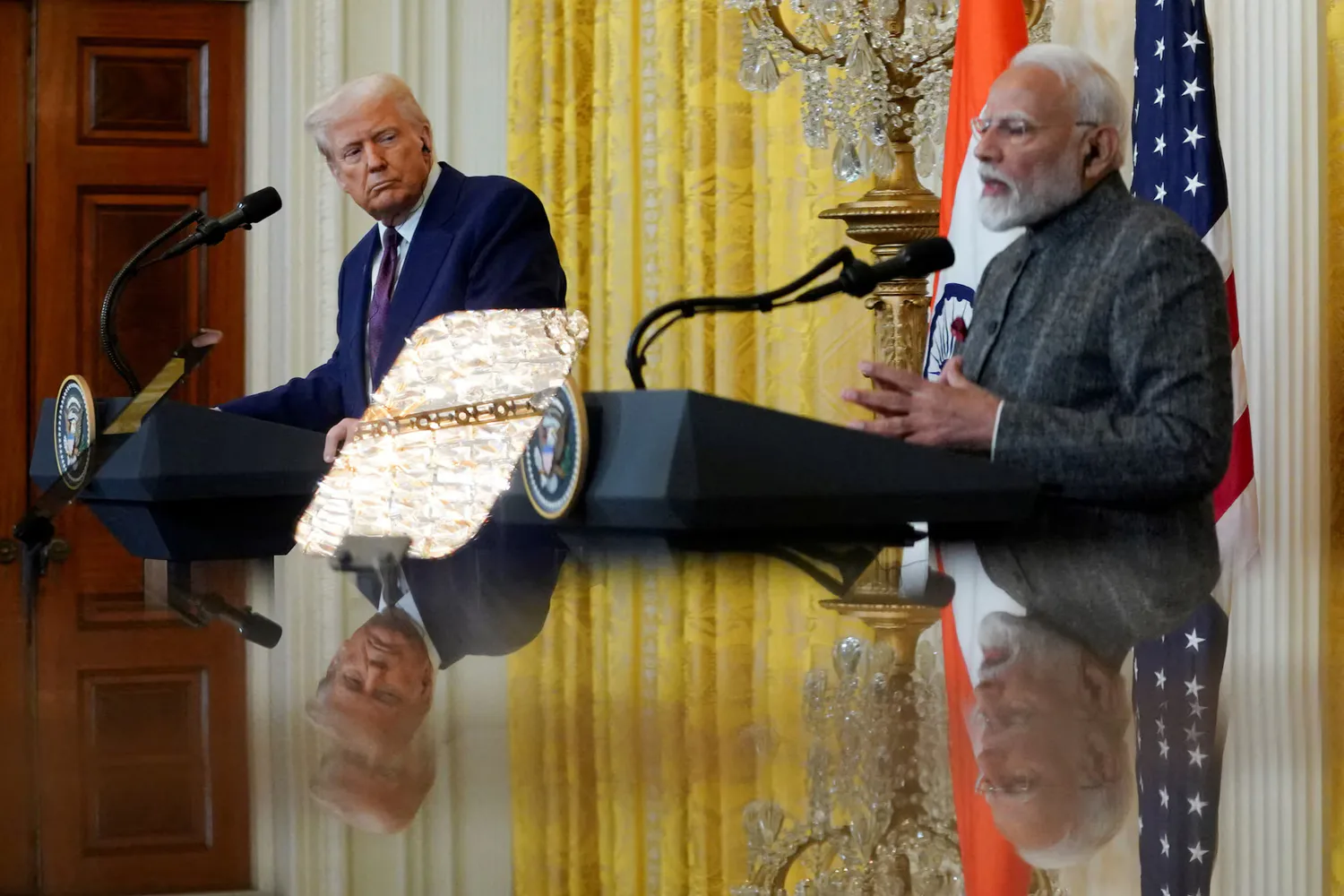
The Indian Ministry of External Affairs has adopted a firm stance, signaling that it will prioritize national interests while navigating these mounting pressures. In recent communications with Washington, Indian officials have emphasized that New Delhi is committed to maintaining energy security by diversifying its supply chain.
However, the government has also issued a clear warning to the White House: any trade restrictions imposed on the grounds of energy procurement policies could jeopardize the fragile progress made in bilateral trade negotiations. New Delhi has cautioned that such unilateral measures threaten not only the strategic partnership between the two nations but also stability in the broader global energy market.
Navigating Future Uncertainty
The implementation of the new law grants President Trump the discretion to determine specific tariff rates and even authorize exemptions if deemed necessary for the “national interest of the United States.” This discretionary power leaves the door open for diplomatic maneuvering.
As Washington looks to enforce its sanctions regime, the coming months will likely see intensive negotiations between the two capitals. For the Modi administration, the objective remains clear: balancing the imperative of affordable energy for a growing domestic economy with the long-term necessity of maintaining robust, tariff-free access to the American market. Whether the U.S. will grant India a carve-out remains the critical question as both nations weigh their strategic priorities in an increasingly fractured global trade environment.
Disclaimer: This content is auto-generated for informational purposes only.
Source: Read Original News