







Strategic Implications of Aadhaar Authentication in India’s Energy Sector
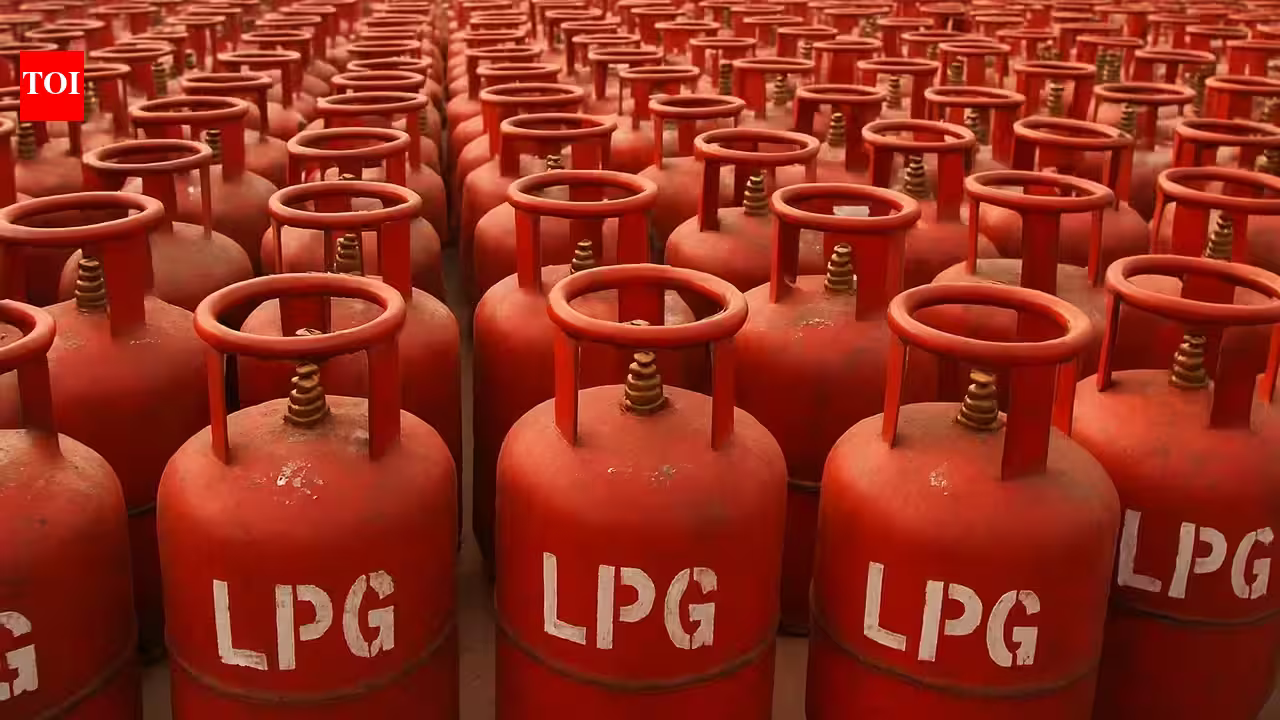
The Indian energy landscape is undergoing a significant administrative transformation as the government mandates Biometric Aadhaar Authentication (BAA) for all subsidised domestic LPG consumers. Starting October 1, 2026, this policy shift serves as a critical checkpoint for the Direct Benefit Transfer (DBT) mechanism. By requiring beneficiaries to authenticate their identities through biometric data, the Ministry of Petroleum and Natural Gas aims to refine the accuracy of its subsidy disbursement framework.
With 89.9 percent of the country’s 27.43 crore active domestic LPG consumers already having completed their authentication as of mid-September, the policy is nearing universal coverage. This move is not merely a procedural update; it represents a systematic effort to enhance fiscal discipline and operational transparency. In the context of the Indian economy, where energy subsidies constitute a substantial portion of the Union budget, ensuring that these benefits reach the intended demographic is paramount for maintaining fiscal health.
Fiscal Rationalization and Subsidy Management
The financial architecture behind domestic LPG pricing is complex, involving significant budgetary outlays to shield consumers from volatile international market trends. As of September 2026, the implicit subsidy per 14.2-kg cylinder is estimated at approximately Rs 210. While this figure fluctuates based on global crude oil prices and import parity, the cumulative burden on the national exchequer remains high.
For the fiscal years 2026 and 2027, the government has earmarked Rs 30,000 crore as compensation to oil marketing companies (OMCs) for selling LPG below cost. However, the scale of the challenge is highlighted by the fact that accumulated under-recoveries for these companies have exceeded Rs 62,000 crore as of August 2026. By mandating Aadhaar authentication, the state is effectively reducing the risk of “leakage”—a common systemic challenge in large-scale social welfare programs. Consumers who opt out of this authentication process forfeit their eligibility for subsidized pricing and must transition to market-based rates. This creates a tiered pricing structure that preserves subsidy resources for verified, low-income households, thereby optimizing the utility of public funds.
Operational Mechanisms for Consumer Compliance
The government has adopted a multi-channel approach to facilitate compliance, acknowledging the diverse digital literacy levels among the Indian population. Consumers have been provided with three primary avenues for completing their biometric authentication: at the time of cylinder delivery, through physical visits to distributor showrooms, or via mobile applications such as IndianOil ONE, HelloBPCL, and HP PAY.
This omnichannel strategy is designed to minimize friction for the end-user while ensuring that OMCs maintain accurate databases. By integrating the authentication process with existing delivery workflows—where the delivery personnel perform biometric verification—the OMCs have effectively turned the last-mile delivery system into a touchpoint for administrative compliance. For consumers choosing not to participate, the government requires a formal declaration through digital channels. This transparency ensures that those who choose to pay the market price are not penalized, while simultaneously identifying the exact number of subsidized units required for the remaining eligible population.
The Persistent Gap in PNG Adoption
Parallel to the intensification of LPG subsidy administration is the government’s push to encourage a structural shift toward Piped Natural Gas (PNG). From a macroeconomic perspective, expanding the PNG network is a strategic imperative to reduce dependence on LPG imports, which accounted for a significant portion of the 33 million tonnes consumed in India during 2025-26. Despite extensive outreach, including over 33,000 awareness camps and direct communication via WhatsApp and physical notices, the transition rate has been modest.
Out of the 21.7 lakh households identified as eligible for PNG connections—due to their proximity to existing infrastructure—only about 20 percent have successfully made the switch. The slow adoption rate indicates a combination of inertia, preference for the established LPG delivery model, and potential barriers within residential housing societies. The urgency for this transition became evident during the geopolitical instability in West Asia earlier in 2026, which threatened the stability of India’s LPG supply chain. While the government has successfully secured its LNG and domestic gas supplies, the reliance on imported LPG remains a vulnerability that can only be mitigated by long-term growth in the City Gas Distribution (CGD) sector.
Challenges to Market Transformation
The low conversion rate to PNG highlights the inherent difficulty in changing household energy habits. In urban Indian settings, where LPG cylinder distribution has been the standard for decades, residents often perceive the existing service to be sufficiently reliable, reducing the perceived need to transition to piped infrastructure. Furthermore, the logistical challenge of retrofitting older housing societies poses a barrier to the rapid rollout of CGD networks.
For OMCs and private CGD players, the current data suggests that targeted communication campaigns, while essential, may not be sufficient on their own to drive a large-scale shift. The government’s decision to link LPG subsidy eligibility to Aadhaar authentication might indirectly serve as a catalyst for future PNG adoption. As the administrative requirements for maintaining LPG subsidies become more rigorous, some households may find the convenience of a metered, piped gas connection more attractive. This shift, if realized, would serve the dual purpose of streamlining the subsidy budget and enhancing national energy security by diversifying the domestic fuel mix.
Future Outlook for the Energy Sector
Moving forward, the focus for the Ministry of Petroleum and Natural Gas will likely remain on dual objectives: maximizing the efficiency of the direct benefit transfer mechanism through digital identity verification and accelerating infrastructure development to ensure energy security. The success of the biometric authentication mandate sets a precedent for how the government intends to manage its social welfare and commodity-based assistance programs.
By removing the “one-size-fits-all” approach to LPG distribution and replacing it with a data-driven, authenticated system, India is setting a standard for transparent governance. While the immediate impact will be felt in the fiscal accounting of the OMCs, the long-term benefit lies in the ability to project and distribute energy resources with greater precision. As the country balances its reliance on imported energy against the domestic mandate for affordable household fuel, these policy interventions will continue to play a foundational role in shaping India’s energy trajectory through the remainder of the decade. Consumers are advised to utilize the provided toll-free helplines and official digital platforms to ensure their service status is compliant before the October deadline, thereby avoiding any disruption to their subsidized access.
Disclaimer: This content is auto-generated for informational purposes only.
Source: Read Original News