






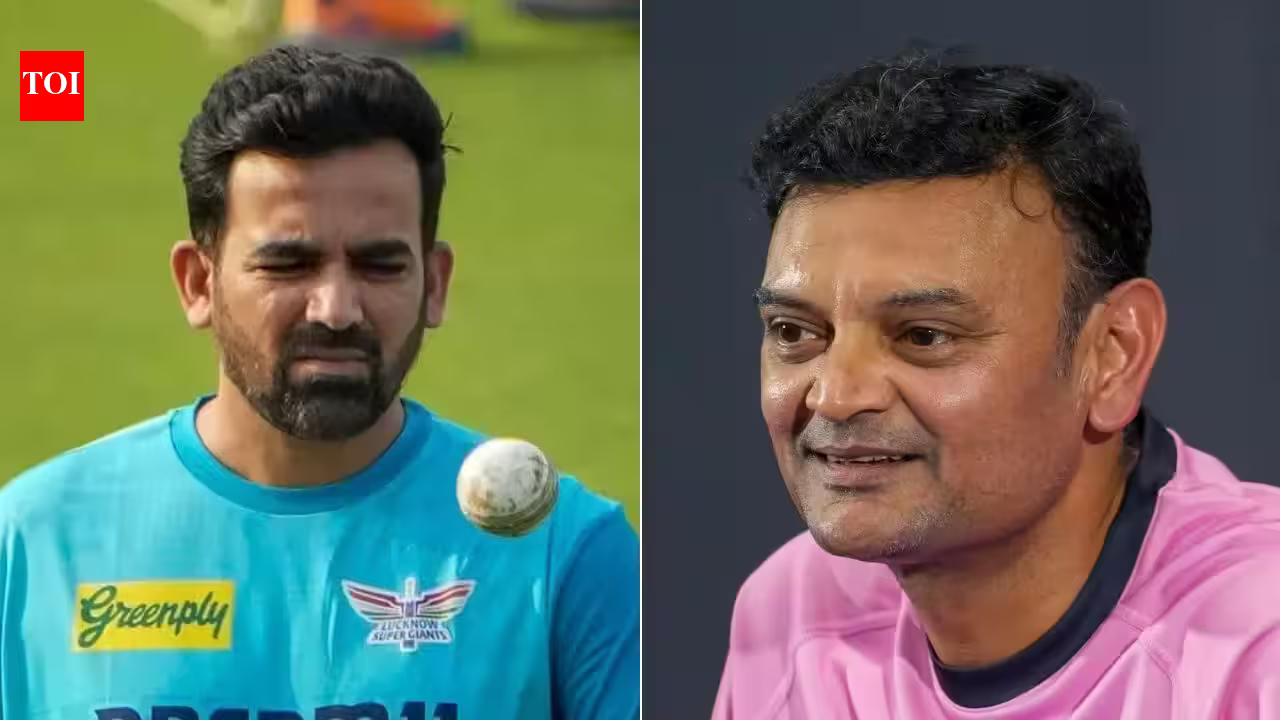
CHENNAI: The shifting winds of the Indian Premier League (IPL) have signaled a seismic change in the “Yellow Army,” as the Chennai Super Kings (CSK) look toward a new era. The confirmation of legendary Indian pacer Zaheer Khan as the franchise’s head coach has sent shockwaves through the cricketing fraternity, effectively closing the chapter on the long-term, iconic tenure of Stephen Fleming. However, the path to this appointment was far from linear, defined by intense negotiations, clashing visions, and a distinct reluctance from the franchise to pivot away from their traditional operational models.
The Collapse of the Badani Negotiations
For weeks, the corridors of power at the Chepauk stadium hummed with the name of Hemang Badani. As a former India cricketer and a seasoned domestic strategist, Badani appeared to be the logical successor to the Fleming era. Sources close to the developments confirmed that Badani was indeed the front-runner, with negotiations reaching the final stages regarding both compensation—reportedly in the range of ₹5 to ₹7 crore—and contractual stipulations.
The deal, however, unraveled over a fundamental disagreement regarding scope and security. It is understood that Badani was initially presented with a vision that would see him oversee multiple teams under the Super Kings umbrella, providing him with a robust, multi-geographic footprint to build a cohesive philosophy. That prospect vanished when the franchise moved to appoint Albie Morkel as the head coach of the Joburg Super Kings in the SA20.
With the cross-franchise role stripped away, Badani was left looking at a smaller portfolio and, more critically, a rigid, year-by-year contract model. For a coach of Badani’s caliber, the prospect of being judged on a squad he did not build, within a single-season timeline, proved to be a non-starter.
The Struggle for “Long-Term Vision”
The central conflict during the search for a new head coach was the mismatch in ambition between the potential candidates and the CSK leadership group, led by Rupa Gurunath. While the franchise’s hierarchy expressed an intent to pivot toward an Indian-led support staff, they remained steadfast in their refusal to commit to long-term contracts.
According to industry insiders, candidates were unanimous in their requirement for a minimum of two years to implement a structural reset. They argued that in the modern IPL landscape, a coach needs a fair runway to align the team’s identity with the tactical demands of the league. CSK, however, remained committed to a “cyclic” operational model—effectively tying coaching tenures to the cycles between mega-auctions.
“The franchise is not yet willing to think long-term,” one source noted. “The way conversations ended with Badani and other candidates suggests that the decision-making is heavily centralized, and the coaching role is viewed more as a tactical appointment for the current cycle rather than a foundational leadership position.”
Zaheer Khan: The Strategic Stop-Gap?
The appointment of Zaheer Khan has been received with a mix of intrigue and skepticism. While Khan brings an unparalleled cricket IQ and a distinguished career—boasting 102 wickets in 100 IPL matches—his history with other franchises adds a layer of complexity to his arrival. Having served in various capacities at the Mumbai Indians and the Lucknow Super Giants, his tenures at both franchises ended under circumstances that left observers wondering about the longevity of his latest role.
Industry experts suggest that Khan’s appointment could be a “stop-gap” move, designed to steady the ship until the next mega auction. By securing a high-profile name with a track record of nurturing young talent, the franchise has bought itself the necessary bandwidth to navigate the transition period following the departure of their long-time tactical mastermind, Stephen Fleming.
The Dhoni Factor and the Road Ahead
Despite the change at the helm, the shadow of MS Dhoni continues to loom large over every tactical decision. It is an open secret within the league that the structural direction of the team remains firmly under the influence of the legendary captain and owner Rupa Gurunath. The refusal to offer multi-year stability to potential coaches reinforces the notion that the franchise currently operates under the philosophy of “Dhoni-led oversight,” prioritizing immediate tactical flexibility over long-term coaching autonomy.
As Zaheer Khan prepares to step into the pressure cooker of the Chepauk, he does so with the public backing of the franchise’s ownership. “Zaheer’s distinguished playing career and proven ability to nurture young talent make him a valuable addition to our setup,” Rupa Gurunath stated following the announcement.
For his part, Khan expressed his enthusiasm for joining the franchise, citing the unique atmosphere of the “Superfans” at Chepauk as a primary driver. Whether he can bridge the gap between the franchise’s demand for short-term results and the inherent need for long-term strategic building remains the most compelling question of the upcoming season. As the franchise braces for the next mega auction, the pressure on Khan will be immediate, and the world will be watching to see if this “new era” at CSK leads to silverware or further instability.
Disclaimer: This content is auto-generated for informational purposes only.
Source: Read Original News