





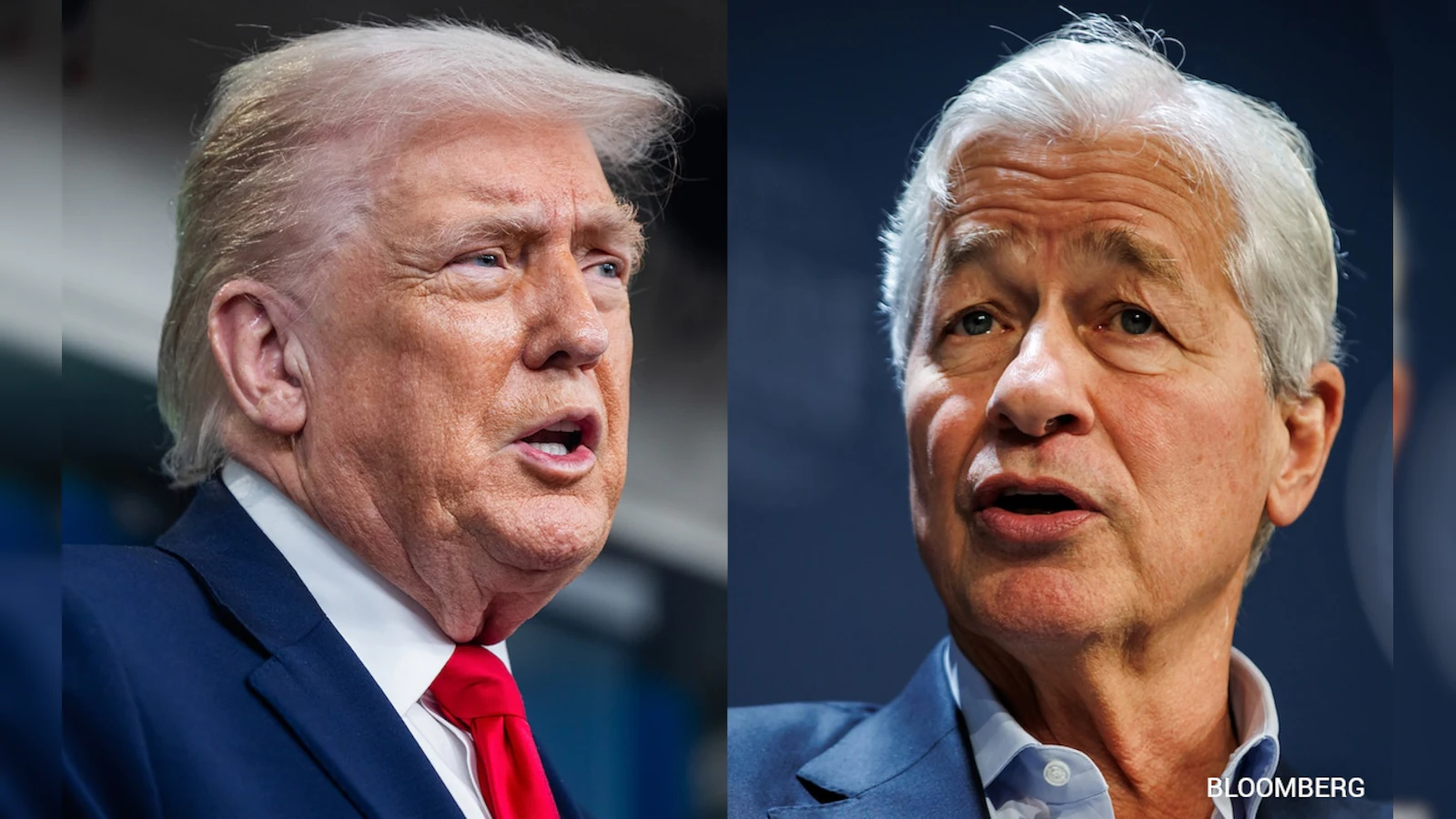
Don’t Punish India: JPMorgan CEO Jamie Dimon Calls for Caution on Russian Oil Tariffs
New Delhi: As Washington moves toward enforcing stringent new sanctions against Russian energy exports, JPMorgan Chase CEO Jamie Dimon has issued a stark warning regarding the potential collateral damage of such policies. Speaking at the JPMorgan India Investor Conference in New Delhi, the veteran financier cautioned the United States to carefully weigh the geopolitical and economic consequences before imposing heavy tariffs on nations, including India, that continue to import Russian crude oil.
Dimon’s comments arrive in the wake of the recently enacted “Lindsey O. Graham Sanctioning Russia and Iran Act of 2026.” Signed into law by President Trump, the legislation creates a framework that could lead to tariffs of up to 100 percent on foreign entities purchasing Russian oil and gas. The policy is designed to cripple Moscow’s financial ability to sustain its ongoing conflict in Ukraine, but it has sparked concerns among global market analysts about the disruption of international energy supply chains.
Strategic Engagement Over Sanctions
During a discussion on the sidelines of the summit, Dimon argued that Washington should move away from a “punitive” approach. He emphasized that the U.S. government needs to initiate a deeper, more transparent dialogue with New Delhi before finalizing the implementation of these measures.
“I think hopefully America will sit down and understand all those issues and, you know, not end up punishing India and the world oil markets while doing what we need to do to combat Russia,” Dimon told CNBC-TV18. He further clarified his stance by noting that he is fundamentally skeptical about the utility of slapping tariffs on crude oil, suggesting that such blunt-force instruments could destabilize the very markets the U.S. seeks to influence.
The Complexity of Refining
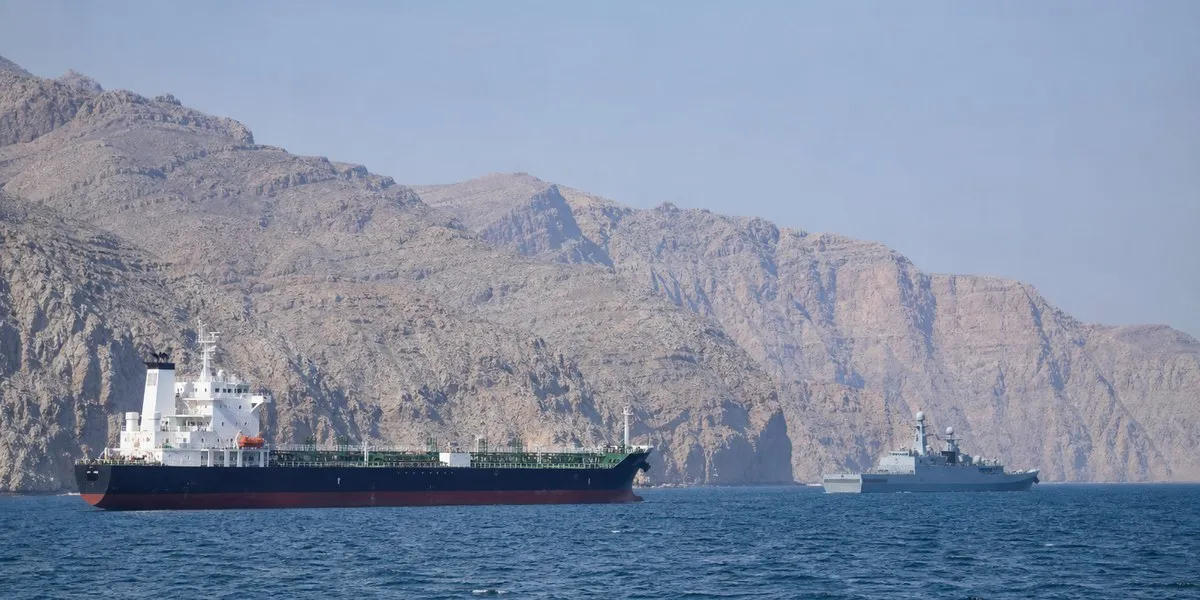
A key point of contention in Dimon’s assessment is the technical reality of global oil refining. India, as one of the world’s largest importers of Russian energy, has developed specialized refining processes tailored to the specific characteristics of the crude it receives from Russia.
According to the JPMorgan chief, the global oil market is not a “plug-and-play” system. If India were to be forced away from Russian sources due to prohibitive tariffs, finding immediate, viable alternatives could prove difficult. “If they don’t buy it here, they have to buy it elsewhere,” Dimon noted, adding that some of the imported product might not be compatible with the specific technical configurations of Indian refineries. Forcing a shift, he cautioned, could inadvertently punish the Indian economy and global consumers without necessarily achieving the strategic goal of weakening Russia.
Geopolitical Strains
The legislation, named after the late Senator Lindsey Graham, targets a broad spectrum of interests, including Russian banking, government officials, and international entities deemed to be facilitating Moscow’s war efforts. While the objective of the act is clear, critics—including leaders in the private sector like Dimon—argue that these sanctions require a nuanced approach.
As the U.S. administration navigates the complexities of this new legal mandate, the call for “respectful” engagement suggests that Washington may need to distinguish between adversaries and strategic partners like India. For now, the global business community remains on edge, waiting to see if the U.S. will adopt a flexible enforcement strategy or strictly adhere to the punitive measures outlined in the new act.
Disclaimer: This content is auto-generated for informational purposes only.
Source: Read Original News