






Indian Sailor Killed in Violent Attack on Cargo Ship in Strait of Hormuz
In a tragic escalation of maritime tensions in the Middle East, an Indian national has been killed following a targeted attack on a cargo vessel navigating the volatile Strait of Hormuz. Authorities from both Oman and India have confirmed the incident, which occurred on Wednesday, casting a shadow over one of the world’s most vital energy transit corridors.
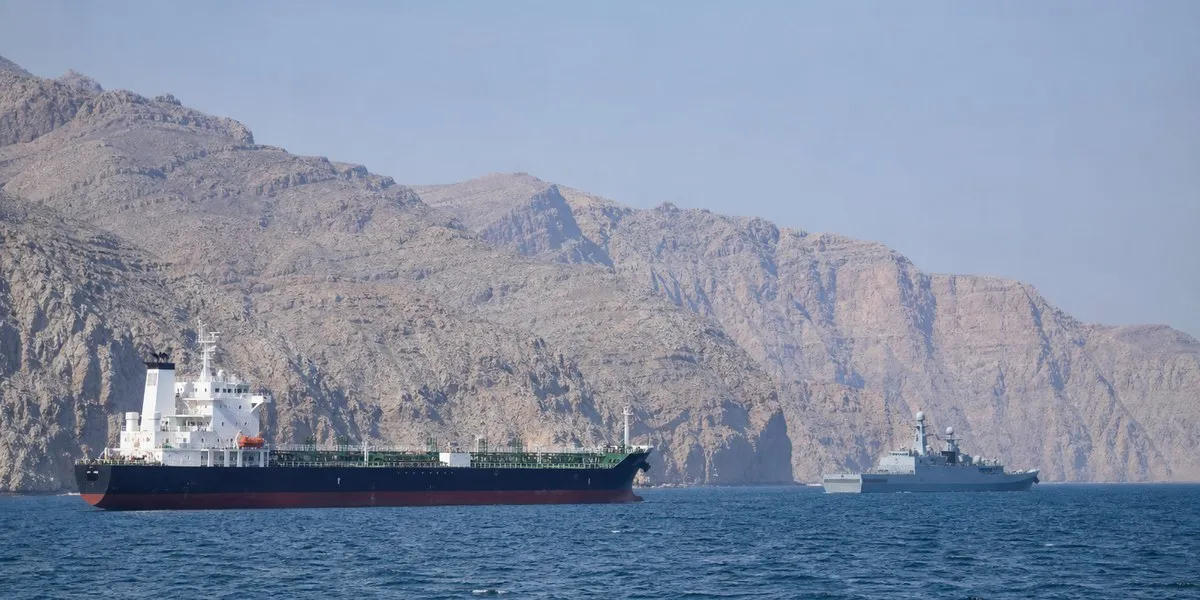
The vessel, identified as the Cape Dao—a ship sailing under the Antigua and Barbuda flag—was struck while approximately 2.5 nautical miles off the Omani coastline. According to the Omani Maritime Security Centre, the strike triggered a severe fire in the engine room, resulting in the immediate death of one crew member. While the identities of the rest of the crew are being verified, the Indian government has officially confirmed the fatality was an Indian sailor.
A Flashpoint for Regional Geopolitics
The Strait of Hormuz, a narrow maritime bottleneck through which a significant portion of the world’s oil and gas supplies flows, has become the epicenter of a dangerous game of geopolitical brinkmanship. Since the eruption of the Middle East conflict, Iran has aggressively moved to assert dominance over these waters. Tehran has frequently targeted merchant vessels that it perceives as non-compliant with its maritime regulations or those it claims have deviated from Tehran-mandated transit routes.
These aggressive maneuvers by Iranian forces have drawn a stern response from the United States. In an effort to secure the international shipping lanes, Washington has been enforcing a counter-blockade of Iranian ports. The U.S. Navy has increased its operational tempo in the region, frequently conducting strikes against vessels it identifies as threats or as ships failing to adhere to internationally recognized maritime safety protocols. The incident involving the Cape Dao appears to be the latest violent consequence of this ongoing maritime tug-of-war.
India Condemns Escalating Violence
The Indian government has reacted with urgency and concern. New Delhi has issued a formal condemnation of the attack, emphasizing that the persistent targeting of civilian vessels in international waters poses a grave threat to global trade and the safety of seafarers. Officials are currently working in close coordination with Omani authorities and the ship’s operators to ensure the safety of the surviving crew members and to facilitate the repatriation of the deceased sailor’s remains.
“The safety of Indian citizens working on the high seas is of paramount importance,” a spokesperson for the Ministry of External Affairs stated, noting that India remains deeply concerned by the deteriorating security environment in the Gulf region.
Global Shipping Under Threat
For the global shipping industry, the death of the sailor is a grim reminder of the high human cost of regional conflicts. Insurance premiums for vessels traversing the Strait of Hormuz have surged in recent months, and many shipping companies are now forced to weigh the risks of operating in the Gulf against the economic necessity of using the conduit.
As international pressure mounts to de-escalate the situation, the Cape Dao incident is expected to trigger further diplomatic scrutiny. With the Strait of Hormuz remaining a critical artery for global energy markets, the international community faces the daunting task of curbing the cycle of retaliation that has turned a routine shipping route into one of the most perilous zones in the world.
Disclaimer: This content is auto-generated for informational purposes only.
Source: Read Original News