







The Strategic Alignment of Motorola and Bang & Olufsen
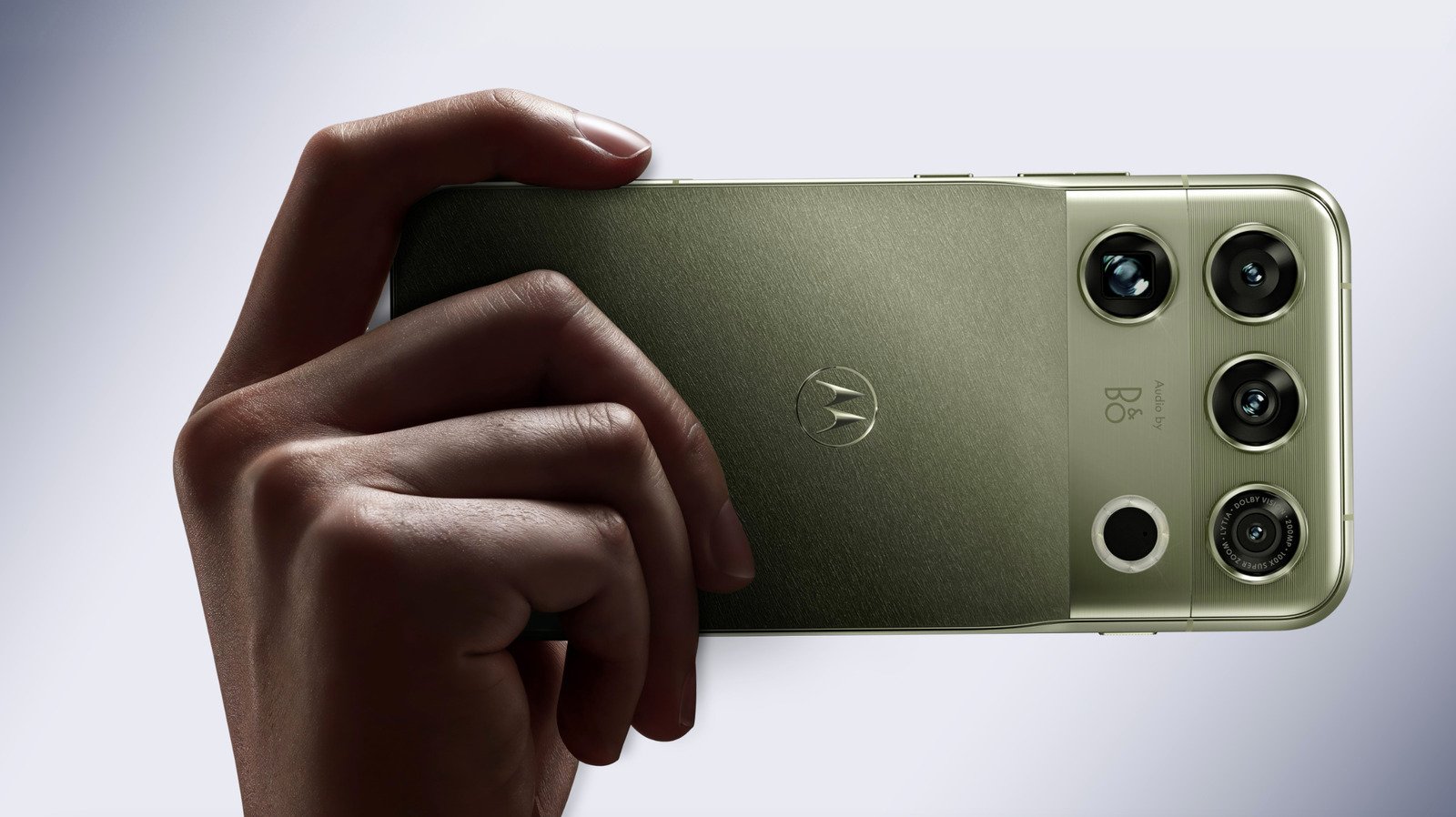
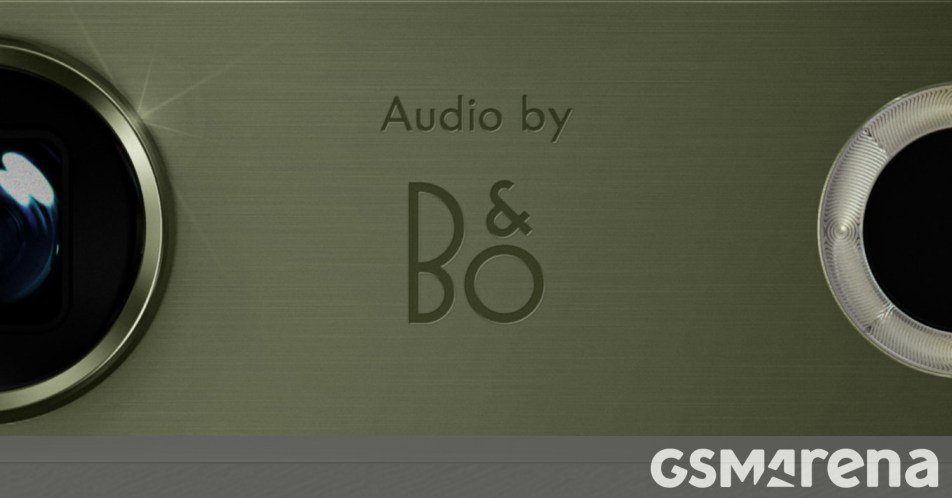
Motorola has officially confirmed a multi-year global partnership with the renowned Danish audio engineering firm, Bang & Olufsen. This collaboration marks a significant shift in Motorola’s premium device strategy, moving away from generic audio components toward a curated, high-fidelity sound profile. The partnership is set to debut with the launch of the Signature 27 smartphone, a device positioning itself at the intersection of high-end industrial design and precision acoustic performance.
For the mobile industry, this announcement signifies an escalation in the “co-branding” era. While competitors have historically leaned on collaborations with consumer-grade audio manufacturers to enhance marketing appeal, Motorola’s decision to align with Bang & Olufsen represents a push into the luxury audio segment. The goal is to move beyond the traditional hardware-centric approach to mobile audio and instead introduce a software and hardware integration that reflects the acoustic signatures synonymous with the B&O name.
Engineering the Signature 27 Acoustic Profile
The core of this partnership centers on the Signature 27, the first handset to bear the Bang & Olufsen hallmark. According to the technical details released, the device will feature audio tuning performed directly by B&O’s team of acoustic engineers. This process involves more than just selecting high-quality speaker modules; it requires a meticulous recalibration of the device’s internal signal processing chain.
The integration focuses on optimizing the frequency response curve to ensure a balanced output. Often, mobile devices suffer from either overly aggressive mid-range frequencies or a lack of clarity in high-frequency reproduction due to the physical limitations of small speaker chambers. By leveraging B&O’s signal processing algorithms, the Signature 27 aims to achieve a flatter, more accurate soundstage, allowing for better separation between instrumentals and vocals. This tuning is designed to work across various mediums, including internal loudspeaker playback and audio output routed through wireless codecs.
Defining the Future of Integrated Sound
Beyond the immediate launch of the Signature 27, the partnership outlines a long-term roadmap that seeks to weave B&O expertise deeper into Motorola’s ecosystem. The companies have stated that the collaboration will extend into new sound modes and proprietary audio technologies. This suggests that future Motorola devices may include advanced digital signal processing (DSP) layers that allow users to toggle between specific sound profiles designed by B&O, such as modes optimized for cinema, orchestral recordings, or voice-centric communication.
Furthermore, this expansion hints at a more holistic approach to hardware design. As mobile devices are increasingly used as primary consumption hubs for streaming media and high-resolution music, the internal acoustics have become a critical pain point. Motorola’s investment suggests a future where the mechanical design of their devices—including the placement of acoustic chambers and vents—is influenced by audio engineering requirements from the earliest stages of the product development cycle, rather than as a secondary modification.
Impact on the Premium Smartphone Landscape
The decision to partner with a high-end audio brand serves a dual purpose for Motorola: it provides a tangible differentiator in a crowded market and reinforces the company’s aspirations to capture the premium consumer base. In the current landscape, hardware specifications like processor clock speeds and RAM capacity have become somewhat commoditized. Consumers are increasingly searching for unique functional experiences that differentiate their daily devices from standard offerings.
By incorporating high-fidelity audio, Motorola is targeting power users who consume significant volumes of multimedia content. This includes high-resolution audio streaming, video production, and social media creation. For content creators, the benefit of having a device with professional-grade audio monitoring capabilities is significant, as it provides a more reliable reference point for how their audio output will translate to other hardware. The partnership effectively elevates the smartphone from a communication tool to a specialized media device, aligning Motorola’s portfolio with the lifestyle-tech market.
Operational Objectives and User Experience
The stated vision of this partnership is to make sound an “intentional and integral part” of the product experience. For the end user, this means that the audio experience is expected to be consistent regardless of the software environment. Motorola intends to utilize this partnership to influence the entire software stack—from the way system sounds are produced to how the device handles high-bitrate audio inputs.
Ultimately, the partnership serves as a strategic maneuver to build a cohesive ecosystem. If Motorola can successfully replicate the luxury brand equity of Bang & Olufsen across its premium tier, it will enhance its brand positioning significantly. The focus remains on delivering performance that justifies a higher price point while ensuring that the technical integration is invisible yet immediately perceptible to the user. As the Signature 27 reaches the market, the success of this collaboration will be measured by its ability to maintain audio clarity under high-volume conditions and the effectiveness of the promised software-driven sound modes in varying environmental contexts. Whether this becomes a standard for the industry remains to be seen, but for now, it represents a clear focus on high-fidelity audio as a pillar of modern mobile innovation.
Disclaimer: This content is auto-generated for informational purposes only.
Source: Read Original News