







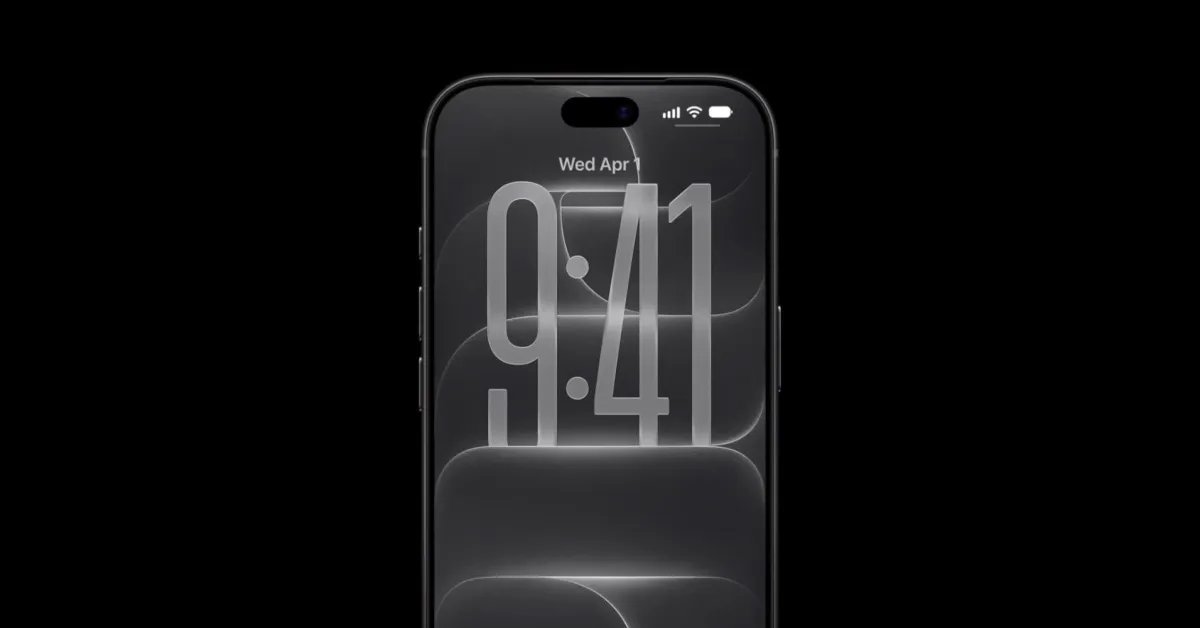
The arrival of the iPhone 18 Pro marks a significant milestone in the evolution of Apple’s interface design. While the hardware changes are often the subject of intense focus, the latest iteration of the Dynamic Island demonstrates a shift in how the device manages real-time data. By physically shrinking the sensor housing, Apple has created a more expansive workspace for the iOS interface, allowing for a substantial upgrade in how Live Activities are presented to the user.
Shrinking the Hardware Footprint
For the first time since the introduction of the Dynamic Island in 2022 with the iPhone 14 Pro, Apple has successfully reduced the physical size of the cutout. This achievement is attributed to the integration of key Face ID components directly underneath the display panel. By relocating these sensors, the company has recovered a small but noticeable amount of screen real estate. This engineering refinement serves a dual purpose: it provides a slightly more immersive visual experience for full-screen content and creates the necessary overhead to improve multitasking capabilities within the software.
Enhanced Live Activities Management
The most notable software evolution on the iPhone 18 Pro involves the expansion of the Live Activities framework. Previously, the system was constrained to displaying two concurrent activities, often forcing the user to prioritize which information remained visible. With the iPhone 18 Pro, this limit has been extended to three simultaneous activities. This capability allows users to track multiple data streams—such as a ride-sharing ETA, a sports score, and a food delivery status—without needing to manually toggle between apps.
Increased Information Density
Beyond the ability to track more items, the quality of information provided by the Dynamic Island has improved. A common point of friction in previous models was the reduction of the second activity to a simple icon when a primary activity was active. On the iPhone 18 Pro, the system intelligently leverages the extra space afforded by the smaller sensor housing to provide persistent, relevant details for secondary tasks.
For instance, when a user is listening to audio while simultaneously running a countdown timer, the interface no longer forces the timer into a minimized icon state. Instead, the system displays the actual remaining time alongside the media playback status. This transition from static iconography to dynamic data visualization allows users to maintain situational awareness of background processes at a glance, significantly reducing the frequency of app switching.
Implications for Third-Party Developers
The technical shift toward higher information density presents new design challenges and opportunities for third-party developers. As the Dynamic Island evolves, developers are tasked with crafting interface elements that remain legible even as the system introduces more concurrent data streams. The ability to push richer, more frequent updates to the Dynamic Island means that applications can now serve as more effective “second screens.” This encourages developers to reconsider how they present real-time telemetry, prioritizing data that is most essential to the user’s immediate workflow.
User Experience and Future Outlook
The refinement of the Dynamic Island underscores Apple’s focus on non-intrusive notification systems. By centralizing real-time information, the iPhone 18 Pro effectively transforms the top portion of the display into a dedicated dashboard. This design philosophy reduces cognitive load, as users are no longer required to exit their current task to check the status of peripheral activities.
As the ecosystem matures, it is likely that the integration between the hardware sensor array and the iOS software will continue to tighten. The current improvements are a clear indication that the hardware-software symbiosis remains a primary pillar of the smartphone experience. For power users who rely on the device for project management, fitness tracking, or navigation, the expanded capacity of the Dynamic Island serves as a functional upgrade that enhances the overall utility of the hardware. The transition from a simple notification area to a sophisticated, multi-tasking interface represents a steady move toward a more efficient mobile computing environment.
Disclaimer: This content is auto-generated for informational purposes only.
Source: Read Original News