







Advancements in the Snapdragon X2 Plus Architecture
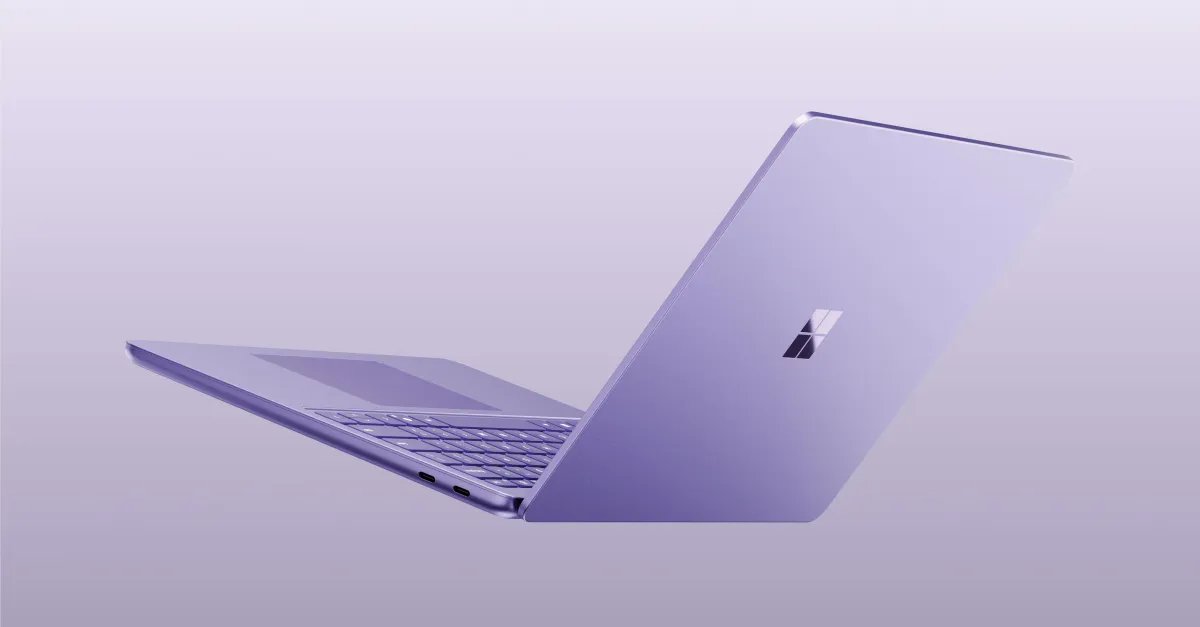
Microsoft has officially refreshed its compact computing lineup with the introduction of updated Surface Pro 12-inch tablets and Surface Laptop 13 models. The central component driving these hardware updates is the transition to the new Snapdragon X2 Plus processor. This silicon marks a significant departure from the previous generation’s performance constraints, which were often criticized for prioritizing form factor over computational speed.
The Snapdragon X2 Plus offers measurable improvements across several critical performance benchmarks. Microsoft reports a 60 percent increase in graphics performance compared to the prior model, which should provide a smoother experience for users engaging in creative tasks or light media consumption. Beyond pure graphics, the architecture boasts an 18 percent improvement in battery efficiency, a vital upgrade for devices specifically designed for mobile productivity. Furthermore, the chip enables a 95 percent faster on-device AI throughput, positioning these portable devices to better handle local machine learning tasks without relying on cloud-based processing. For everyday enterprise and student workflows, the chip offers an 18 percent increase in productivity speeds, particularly within the Microsoft Office suite.
Design Continuity and Display Upgrades
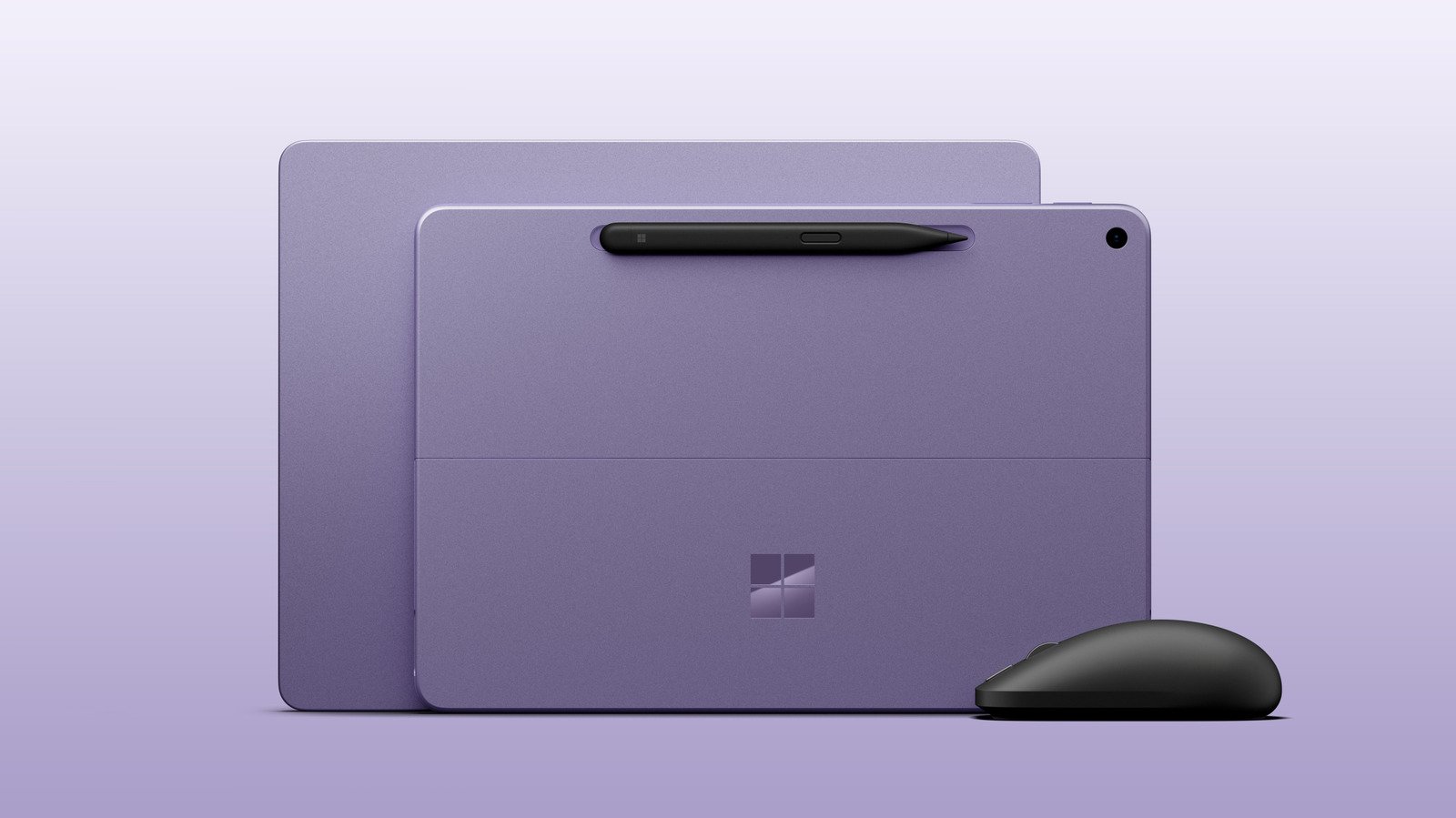
While the internal architecture has evolved, the physical design language of the Surface Pro 12-inch and Surface Laptop 13 remains largely unchanged. The Surface Pro maintains its familiar tablet form factor, featuring the signature integrated kickstand. The device continues to rely on the Surface Pro keyboard—a separate purchase—to transition into a laptop-style configuration. The Surface Laptop 13 retains its compact notebook profile, weighing in at approximately 2.7 pounds.
Despite the lack of chassis revisions, the visual experience has received a notable refinement. Both systems now feature displays rated at 500 nits of brightness. This represents a 25 percent increase in brightness over previous iterations, offering better visibility in well-lit environments and improved color accuracy for users working in varied lighting conditions. The decision to maintain the existing exterior design suggests that Microsoft remains committed to its established ecosystem of peripherals and form factors, focusing hardware investment primarily on internal performance and efficiency rather than aesthetic redesigns.
Pricing Dynamics in a Shifting Market
The updated Surface lineup arrives at a time when hardware costs are facing upward pressure due to memory availability and manufacturing fluctuations. The starting price for the Surface Pro 12-inch has been adjusted to $1,150, while the Surface Laptop 13 now begins at $1,199. These figures represent a departure from the “entry-level” pricing strategies employed in previous years, where similar devices were positioned under the $1,000 threshold.
This pricing adjustment reflects broader industry trends where hardware manufacturers are accounting for higher memory costs and more sophisticated integrated components. Prospective buyers who were previously deterred by the performance limitations of the initial Snapdragon-powered Surface devices may find the performance-to-price ratio more compelling this time around. However, for those who purchased the previous generation, the incremental nature of these updates suggests that upgrading may not provide a necessary leap in utility for most typical users.
Integrating AI via Ink Canvas
With the launch of the updated Surface Pro 12-inch, Microsoft is also introducing its new Ink Canvas software. This application is designed to leverage the specialized AI capabilities of the Snapdragon X2 Plus. Ink Canvas aims to provide a more intuitive interface for stylus-driven input, focusing on three core functions: real-time image generation, annotation, and text summarization.
By shifting these processes to the device’s neural processing unit (NPU), Ink Canvas aims to reduce the latency often associated with cloud-based AI tools. While the application is launching alongside the new hardware, Microsoft has confirmed that the software will be accessible to owners of other Surface devices starting October 13 via the Microsoft Store. This move indicates a strategy to maintain software parity across the existing Surface fleet, ensuring that users with compatible hardware can leverage the new AI features regardless of when their specific device was purchased.
Haptic Innovation in the Surface Mouse
Alongside the computing hardware, Microsoft is expanding its peripheral catalog with the release of a new $80 Surface Mouse. This device introduces integrated haptic feedback, a feature previously popularized by high-end peripherals like the Logitech MX Master 4. The inclusion of haptics is intended to provide physical cues for Windows 11 interface interactions. For example, the mouse will provide tactile confirmation when a user snaps windows into place or aligns objects within creative software.
The new Surface Mouse is an evolution of Microsoft’s established design history, which draws inspiration from the classic Intellimouse line. By incorporating haptic technology, Microsoft is attempting to bridge the gap between digital interface interactions and physical sensation. This provides users with more immediate feedback regarding their workspace layout and system navigation. The mouse is ambidextrous, ensuring it can accommodate a wide range of user preferences, and it is set to hit the market on October 13, coinciding with the broader rollout of the updated Surface Pro and Surface Laptop lineup. These hardware updates represent a strategic, if iterative, push to refine the efficiency and responsiveness of Microsoft’s core portable computing offerings.
Disclaimer: This content is auto-generated for informational purposes only.
Source: Read Original News