








A Strategic Shift in Meta’s Hardware Philosophy
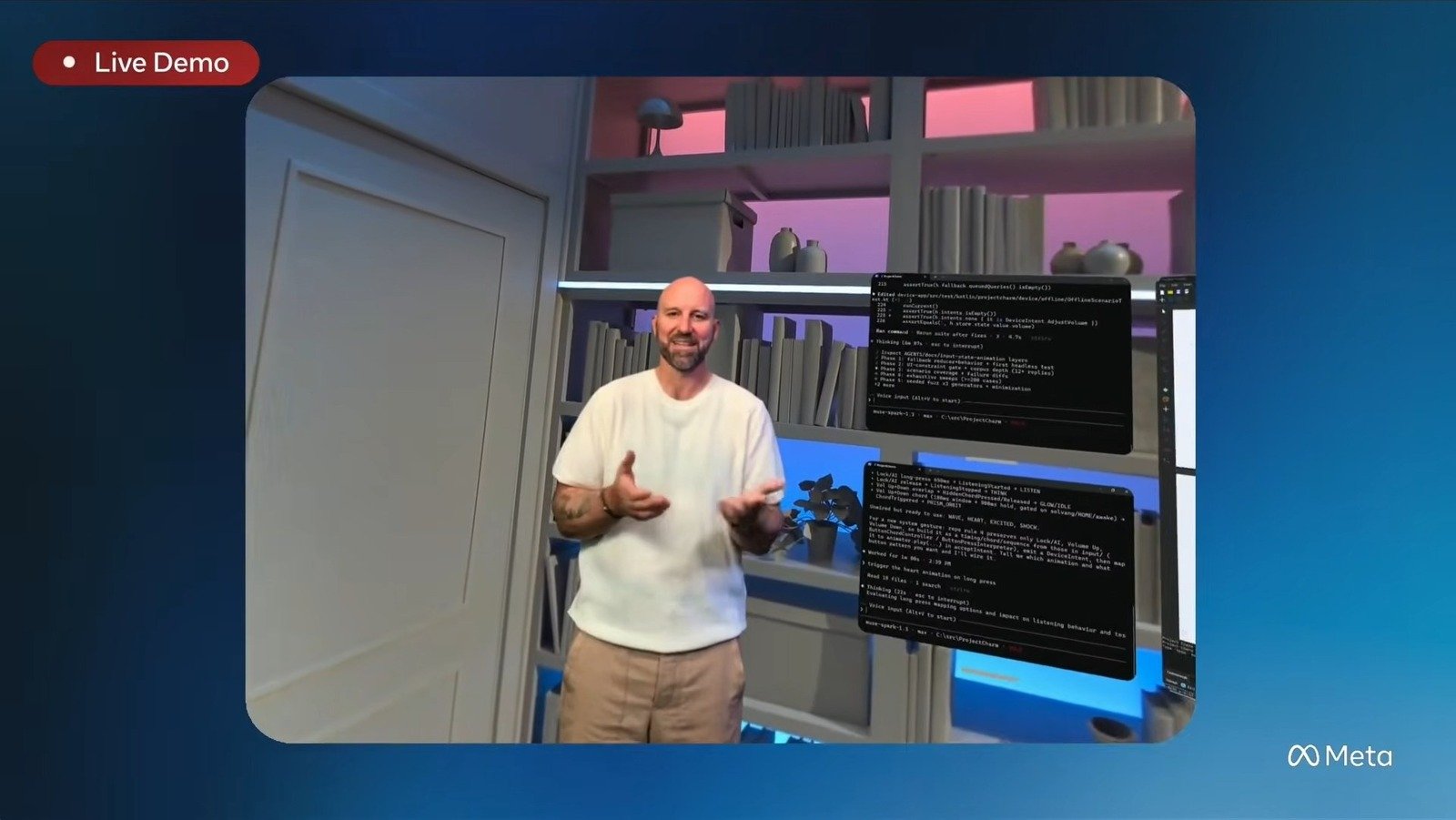
At the annual Connect developer conference, Meta CEO Mark Zuckerberg unveiled a significant evolution in the company’s hardware strategy. While the corporation has historically focused on the mass-market adoption of its bulky, all-in-one Quest VR headsets, the new announcements signal a pivot toward specialized form factors designed for high-performance computing and ubiquitous AI integration. The unveiling of the Meta VR Glasses and the Muse Charm handheld device highlights a move away from the traditional, face-covering hardware aesthetic toward equipment that promises improved comfort, portability, and seamless interaction with artificial intelligence.
The Architecture of the Meta VR Glasses
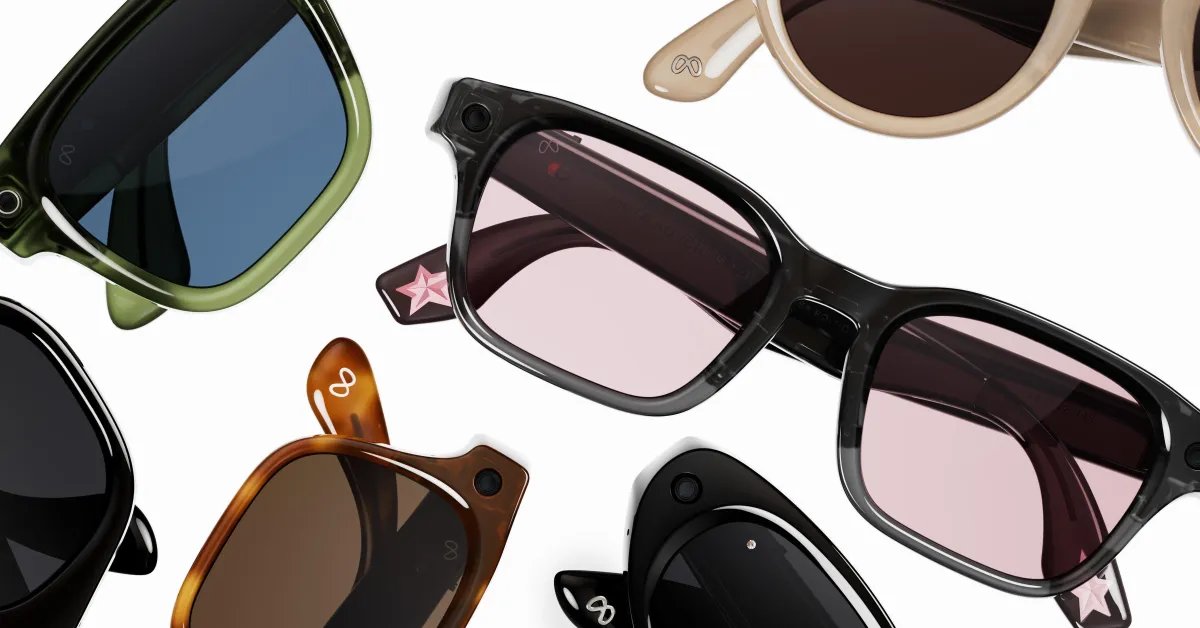
The standout hardware reveal at the conference was the Meta VR Glasses, a device that aims to reconcile the demand for high-fidelity virtual reality with the desire for a lighter, more wearable design. Priced at $1,299 and slated for a spring 2027 release, these glasses represent a premium tier in Meta’s ecosystem.
A primary engineering breakthrough in this product is the offloading of heavy internal components. Unlike the Quest series, which packs the processor, battery, and cooling systems directly into the headset chassis, the Meta VR Glasses utilize an external processing puck. This modular approach allows the glasses to remain slim and lightweight, mimicking the profile of traditional eyewear while maintaining the computational power of a modern mini-computer. This external unit is powered by a high-performance Qualcomm processor, ensuring that the device can handle complex rendering tasks without overheating on the user’s face. Furthermore, the glasses incorporate sophisticated sensors for eye and hand tracking. By eliminating the necessity for handheld controllers, Meta has enabled a more natural interaction paradigm where users can navigate virtual environments simply through gaze and gesture.
Harnessing the Muse AI Agent
Alongside the glasses, Meta introduced the Muse Charm, a compact handheld device designed to bridge the gap between human users and the Muse AI personal agent. This gadget serves as a direct portal to Meta’s latest generative AI architecture. The design philosophy centers on immediacy; the Muse Charm allows users to engage with their AI agent through voice commands without the friction of unlocking a smartphone or navigating through specific applications.
The utility of the Muse Charm lies in its “always-available” nature. By providing a dedicated hardware interface for the Muse AI, Meta intends to lower the barrier to entry for daily AI assistance. The device is expected to reach consumers by the upcoming holiday season in December. Although technical specifications remain under wraps, the company has emphasized that the charm functions as a window into the world, allowing the Muse AI to “see” and interpret the surroundings via the device’s integrated optics and sensors, effectively acting as an intelligent co-pilot for daily tasks.
Technical Advancements in Immersive Visuals
The visual fidelity of the Meta VR Glasses marks a notable improvement over the current Quest lineup. By leveraging the dedicated resources provided by the external puck, the display panels within the glasses are capable of higher resolution and frame rates, which are critical for reducing the sense of detachment that can occur in lower-quality VR environments.
The focus on “presence”—the psychological sensation of being truly immersed within a digital space—remains the central goal. By shrinking the hardware profile, Meta aims to make the technology less intrusive. This reduction in physical bulk is expected to increase the duration of time users are willing to spend in a virtual or augmented environment, transforming VR from an occasional activity into a sustained computing platform.
Use-Cases and Potential Market Impact
The deployment of these devices suggests a bifurcated strategy for Meta. On one side, the Muse Charm targets the average consumer who desires quick, efficient access to AI for information retrieval, scheduling, and environmental analysis. It is an attempt to make AI a tangible, pocketable utility rather than a software-bound curiosity. On the other side, the Meta VR Glasses target enthusiasts and professionals who require high-performance immersive tools but find existing hardware too cumbersome for extended use.
The high price point of $1,299 for the glasses indicates that Meta is positioning this product as a flagship device for early adopters. However, the reliance on an external puck also demonstrates a practical solution to a persistent hardware problem: battery life and thermal management. If this architecture proves successful, it could set a new standard for the industry, where heavy processing is separated from the wearable interface.
The Road Toward Ubiquitous AI Integration
Meta’s latest updates underscore a long-term commitment to integrating artificial intelligence into the fabric of daily life. By developing hardware that serves as an extension of the Muse AI agent, Meta is shifting its focus from simply providing a screen for content to providing an intelligent interface that understands the user’s context. As the company moves toward the official launch of these products, the developer community will play a crucial role in determining whether these new form factors can truly displace the smartphone as the primary hub for personal computing. With the Muse Charm arriving for the holiday season and the Meta VR Glasses following in early 2027, the market is set to see whether Meta’s hardware-first approach to AI can capture the public imagination.
Disclaimer: This content is auto-generated for informational purposes only.
Source: Read Original News