






The Geopolitical Drivers of Global Crude Volatility
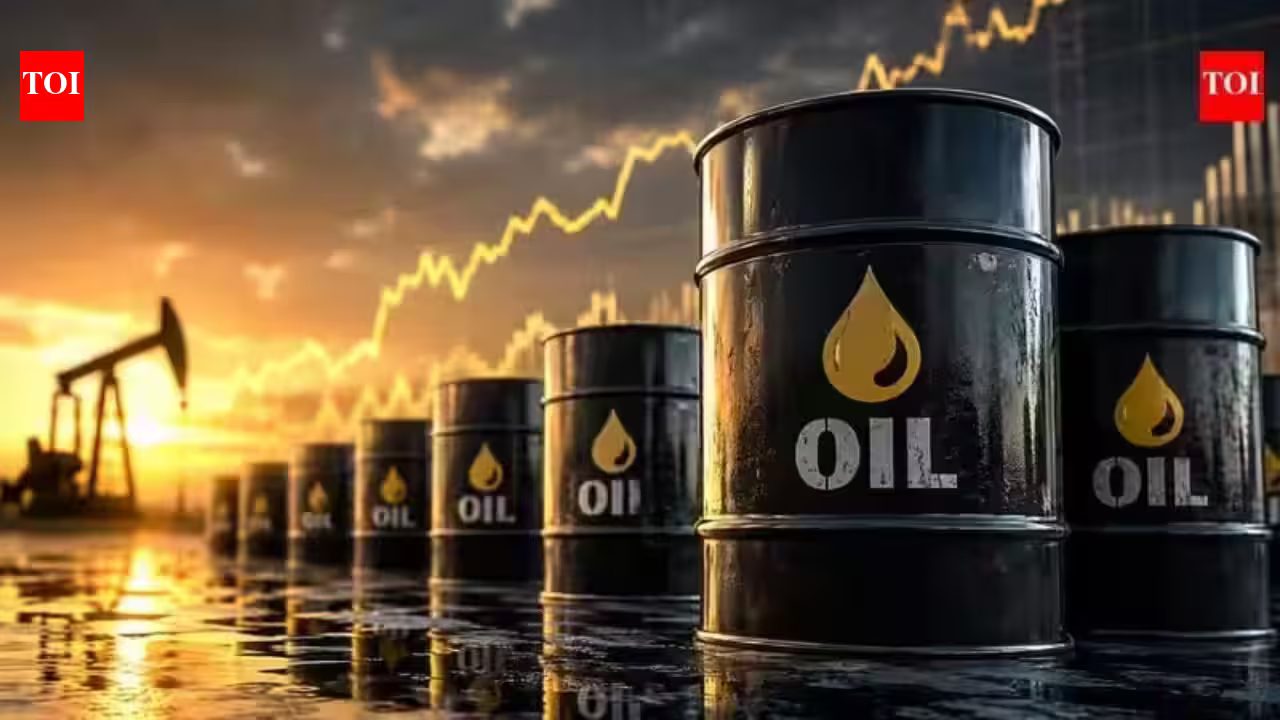
The global energy market is currently navigating a period of intense volatility, driven by a confluence of diplomatic uncertainty and supply chain fluctuations. Brent crude, the global benchmark, has seen its price oscillate around the critical 100-dollar-per-barrel threshold, a level that carries significant psychological and economic weight for traders and policymakers alike. This price movement is largely dictated by the ongoing friction between the United States and Iran, two major actors whose actions frequently dictate the direction of energy futures.
Recent developments highlight the sensitivity of the market to even minor diplomatic signals. While Iranian officials have signaled a willingness to engage in dialogue, the fundamental divide regarding the naval blockade of Iranian ports and the reopening of the Strait of Hormuz remains a primary obstacle. The Strait is arguably the most critical energy chokepoint in the world, facilitating the transit of a substantial percentage of global oil production. Consequently, any threat to its operational status—or any promise of its reopening—triggers immediate and significant price adjustments.
For global investors, these events underscore the limitations of forecasting energy prices based on supply and demand fundamentals alone. When geopolitical tensions command the stage, risk premiums spike, and market sentiment becomes susceptible to every official statement emanating from Tehran or Washington. The current situation, wherein a diplomatic breakthrough is theoretically possible but practically distant, ensures that the market will remain in a state of high alert for the foreseeable future.
Implications for the Indian Economy and Energy Security
India occupies a unique and precarious position in this global oil narrative. As one of the world’s largest importers of crude oil, India’s trade deficit and domestic inflationary pressures are inextricably linked to the international price of a barrel. When Brent crude fluctuates near or above the 100-dollar mark, the fiscal burden on the Indian government increases, often leading to a challenging trade-off between subsidizing fuel costs and managing a narrowing current account deficit.
The volatility in oil prices creates a ripple effect throughout the Indian business landscape. Transport and logistics sectors, which form the backbone of the domestic supply chain, are the first to experience margin compression when fuel costs climb. Furthermore, the downstream impact on manufacturing and retail inflation is immediate. For Indian policymakers, the current unpredictability of global energy markets necessitates a dual focus: long-term energy diversification and short-term strategic reserves management.
Unlike economies that are self-sufficient in energy, India’s reliance on imported hydrocarbons means that it has little influence over the price of crude, yet it must absorb the entirety of the cost shock. This makes the diversification of energy sources—moving toward renewable energy and expanding the domestic infrastructure for natural gas—not merely a policy goal, but a strategic imperative. As long as India remains dependent on global supply chains that are prone to sudden disruption, the stability of the Indian rupee and the health of the domestic equity market will remain tethered to the geopolitical climate of the Middle East.
Supply Chain Dynamics and the Diesel Export Debate
While crude oil attracts the primary focus, the refined product market is currently undergoing its own crisis, centered on diesel. The rumors surrounding potential US restrictions on diesel exports highlight the fragile state of global fuel supplies. In an interconnected global economy, an export ban by a major supplier like the United States would likely cause a systemic shock, driving up prices for importing nations and distorting regional markets.
The contradiction within the US administration, where officials have publicly disagreed on the viability of such a ban, adds a layer of uncertainty that traders find particularly troubling. A diesel export restriction would be counterintuitive, as it would likely tighten global supply, exacerbate inflationary trends, and disrupt the logistical efficiency of economies that rely heavily on diesel for agricultural and industrial operations.
For Indian industry, the prospect of restricted diesel exports from Western markets poses a significant risk. Any contraction in the global availability of refined products would hit emerging markets disproportionately, as these nations often compete for supply during periods of scarcity. The situation serves as a reminder that the energy crisis is not just about the availability of crude; it is about the capacity of the global refining infrastructure to deliver finished products where they are needed most.
Analyzing Inventory Trends and Market Sentiment
The Energy Information Administration (EIA) data indicating a rise in US crude inventories provides a crucial data point for analysts trying to gauge the strength of the physical market. An increase in stockpiles is typically interpreted as a sign of softening demand or oversupply, yet in the current market, these numbers are being viewed through a more skeptical lens. When geopolitical risks are elevated, the market tends to disregard traditional inventory build-ups in favor of assessing “what-if” scenarios regarding supply interruptions.
Market participants are currently caught between technical signals and the broader macroeconomic outlook. The rise in inventories would, under normal circumstances, exert downward pressure on prices. However, the influence of these inventories is currently neutralized by the fear that a conflict or an escalation in the Strait of Hormuz could cause a massive, sudden supply drop that cannot be offset by existing reserves.
This divergence between data and sentiment is characteristic of high-stakes commodity markets. For professional investors and corporate treasury departments, the task is to navigate these signals with precision. The reliance on algorithmic trading and real-time news feeds means that the market reacts instantly to the release of inventory data, but the deeper structural issues regarding energy access and diplomatic stability remain the primary drivers of long-term asset allocation.
The Future of Energy Policy in a Fragmented Landscape
The path forward for energy markets will likely be characterized by persistent uncertainty. The expectation that diplomatic efforts will eventually reach a resolution must be tempered by the reality of rigid political positions. For the global business community, this means that the premium on energy costs—often referred to as the “geopolitical risk premium”—will likely remain embedded in pricing structures for the near future.
The Indian government and corporate India must prepare for a landscape where energy prices remain a primary variable in every financial model. Increasing strategic storage, fostering bilateral energy agreements that go beyond spot market purchases, and accelerating the transition to electrification are critical steps to mitigate the impact of future shocks.
Ultimately, the crude oil market is currently in a state of recalibration. Investors are waiting to see whether diplomacy will succeed in preventing a major supply disruption or if the current rhetoric will give way to a more prolonged period of tension. For India, the best approach remains one of defensive agility—strengthening domestic energy independence while maintaining a realistic and pragmatic stance toward the inevitable fluctuations of the global oil market. The era of cheap, predictable energy has passed, and in its place is a new, complex environment where energy policy is now inseparable from national security and macroeconomic stability.
Disclaimer: This content is auto-generated for informational purposes only.
Source: Read Original News