







The Evolution of Meta’s Holographic Avatars
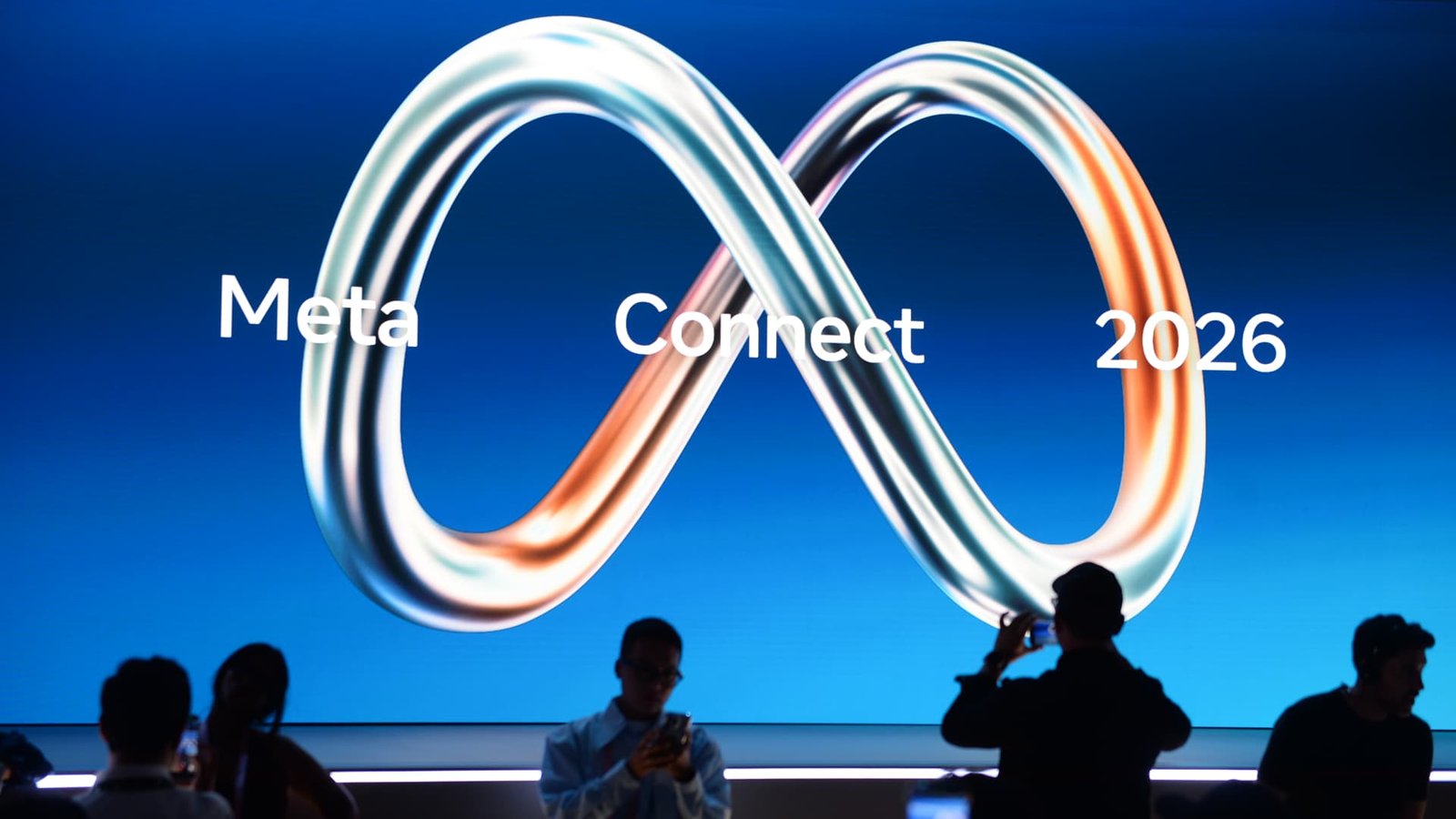
The landscape of digital communication is undergoing a fundamental shift as Meta pushes the boundaries of representation through its new holographic avatar technology. Recently unveiled at the annual Connect event, these avatars represent a significant leap forward from the static, cartoonish characters that defined early virtual reality experiences. By leveraging advanced machine learning models and sophisticated sensor suites, Meta is working toward a future where digital calls possess the spatial nuance of face-to-face interactions.
The core technology powering this initiative is the Muse Realtime Avatar model. This architecture is designed to capture the distinct facial movements and speech patterns of a user, translating them into a high-fidelity digital projection. Unlike previous iterations that required heavy manual customization, the current system relies on a streamlined enrollment process that captures biometric markers, voice inflections, and facial expressions to build a convincing representation of the user in real time.
Deployment Across Display-Enabled Glasses
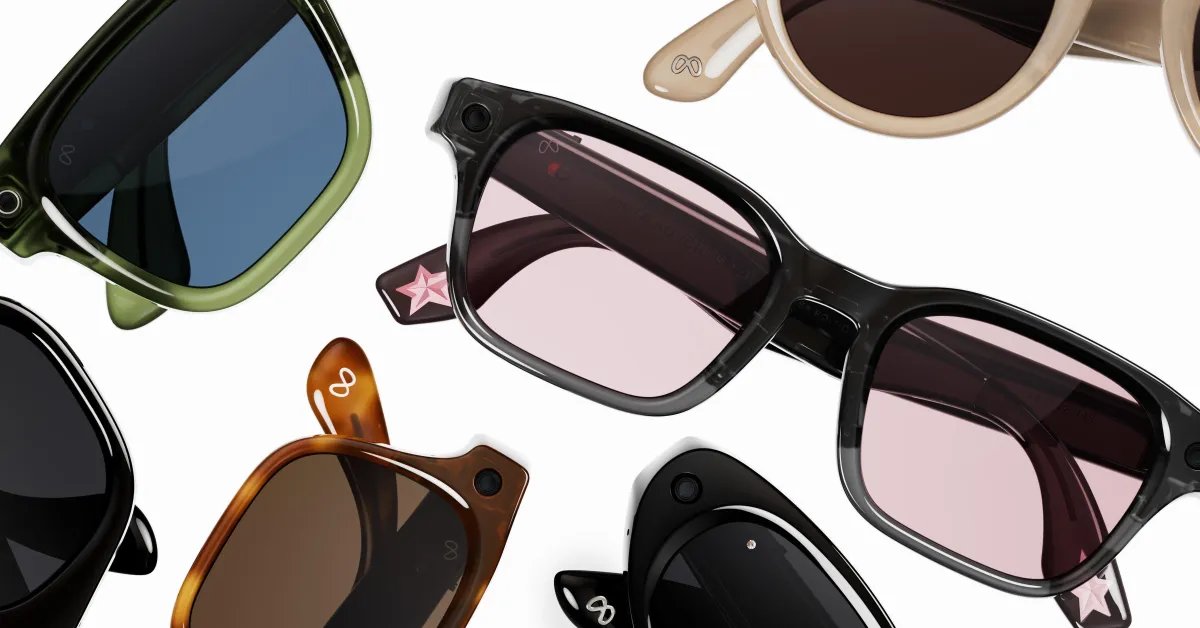
For users of Meta’s display-enabled Ray-Ban frames, the integration of these avatars is designed for portability and professional utility. The setup process is efficient, taking approximately five minutes to complete. Users interact with the Meta AI app, which utilizes the smartphone camera to map facial geometry from various perspectives. Following this, the app prompts the user to answer a series of questions, a task that helps the model learn the user’s specific vocal cadence and speech habits.
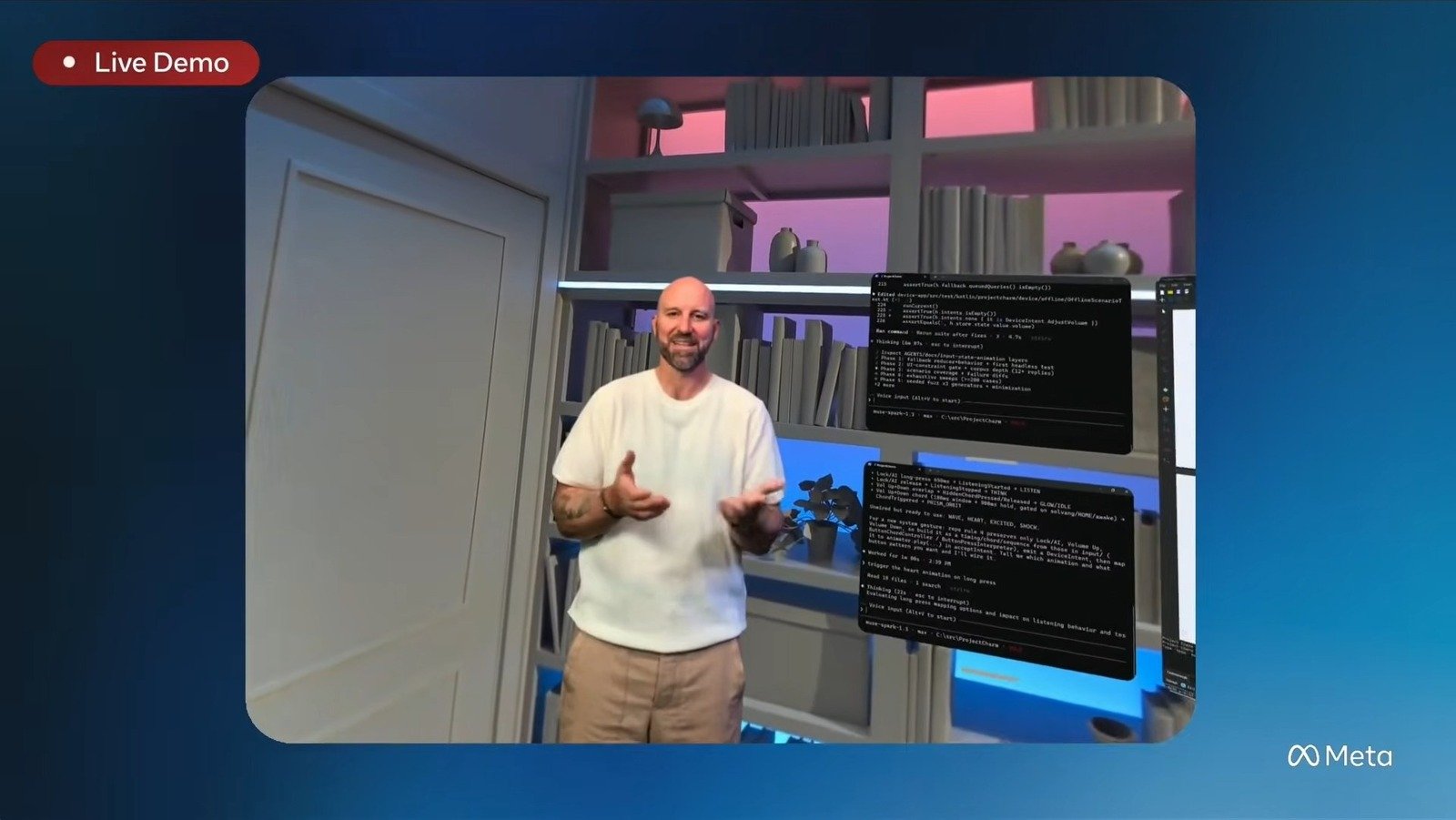
Once the initial training is complete, these glasses allow users to join video calls via platforms like WhatsApp or Zoom while projecting their avatar instead of a direct live video feed. This provides a bridge between traditional video conferencing and fully immersive virtual presence. During live demonstrations, the avatars exhibited a remarkable degree of realism, often appearing indistinguishable from a standard video stream until a close inspection revealed subtle digital identifiers. Meta has proactively included a transparent watermark on all avatar-based calls, ensuring that participants remain informed when they are interacting with a generated representation rather than a live camera feed.
Full-Body Presence in Virtual Reality
While the display-enabled frames offer a compact solution, Meta’s VR glasses represent the high-performance tier of this technology. These devices are equipped with an array of internal sensors and inward-facing cameras that provide a continuous stream of data regarding the user’s facial expressions. Because the hardware is more robust, the system does not require the extensive manual training period associated with the Ray-Ban frames; instead, it tracks the user’s movements dynamically in real time.
The result is a full-body holographic avatar that can mirror the user’s physical presence within a virtual environment. During testing, these avatars demonstrated a level of natural fluidity that surpassed previous industry attempts at digital personas. While the technology is currently optimized for a frontal view, the level of detail—from the synchronization of speech to the movement of arms and body language—creates a sense of proximity that feels more authentic than existing alternatives. While there are minor visual artifacts, such as slight blurring near the edges of the frame or occasional distortion in the lower limbs, the system successfully moves away from the uncanny, sterile aesthetic that has historically plagued virtual personas.
Practical Use Cases and Professional Integration
Meta envisions these holographic avatars serving as a powerful tool for enhancing remote collaboration. In professional settings, the ability to maintain a sense of “presence” without needing to prepare a physical environment is a major draw. Employees working remotely can participate in high-stakes meetings as a digital likeness, offering a balance between privacy and engagement. For those who frequently participate in virtual meetings, the avatar acts as a consistent, professional proxy.
Beyond the workplace, the technology aims to solve the fatigue often associated with prolonged video calls. By providing a medium that feels less like a flat, two-dimensional screen and more like a shared space, Meta hopes to facilitate more meaningful social interactions. As the technology matures, it may eventually redefine how long-distance relationships and distributed teams connect, prioritizing the feeling of “being there” over the technical constraints of traditional internet video streaming.
Future Outlook and Current Limitations
Despite the progress, the technology remains in an early preview stage, and several limitations persist. Current interoperability is restricted; users of the display-enabled glasses are currently unable to call those using the dedicated VR hardware, and the system is largely contained within specific device ecosystems. Furthermore, while the avatars are highly convincing, the underlying model is still learning to account for unpredictable environments and varying lighting conditions.
Meta is expected to launch these holographic features in early access starting this fall. This period will be critical for gathering user data and refining the rendering pipelines to reduce the remaining visual artifacts. As hardware sensors continue to improve and the Muse Realtime Avatar model becomes more efficient, the gap between a holographic projection and reality will continue to narrow. For now, the transition to avatars marks a new era in personal computing, where the digital self becomes a seamless extension of the physical individual, ready to occupy the virtual spaces of the near future.
Disclaimer: This content is auto-generated for informational purposes only.
Source: Read Original News