







Geopolitical Volatility and the Crude Oil Correlation
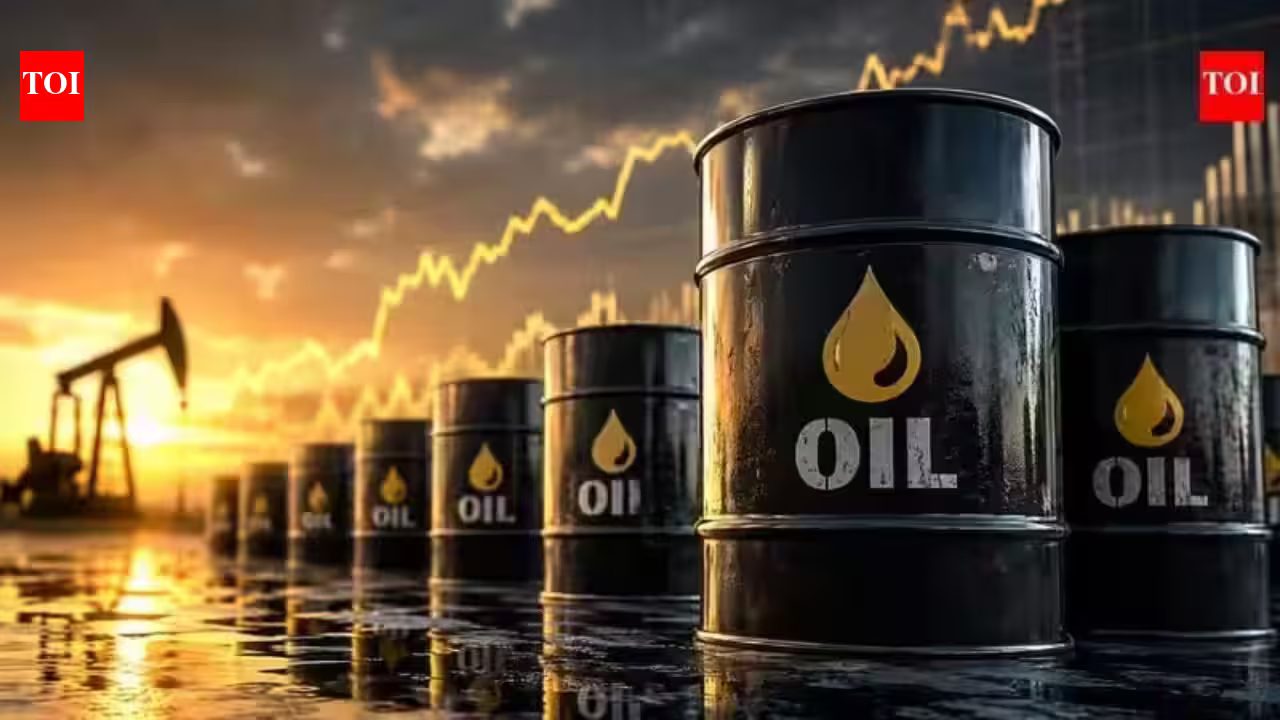
The Indian equity market remains inherently sensitive to global macroeconomic shifts, particularly those involving energy commodities. The recent uptick in Brent crude prices, driven by escalating tensions between the United States and Iran, serves as a poignant reminder of India’s vulnerability as a net importer of oil. When crude oil prices climb, the immediate impact on the Indian economy manifests through a widening trade deficit and increased inflationary pressure. Because a significant portion of India’s foreign exchange reserves is deployed to purchase energy, a surge in global prices forces a depreciation of the Rupee, which in turn elevates the cost of imported raw materials for Indian manufacturers.
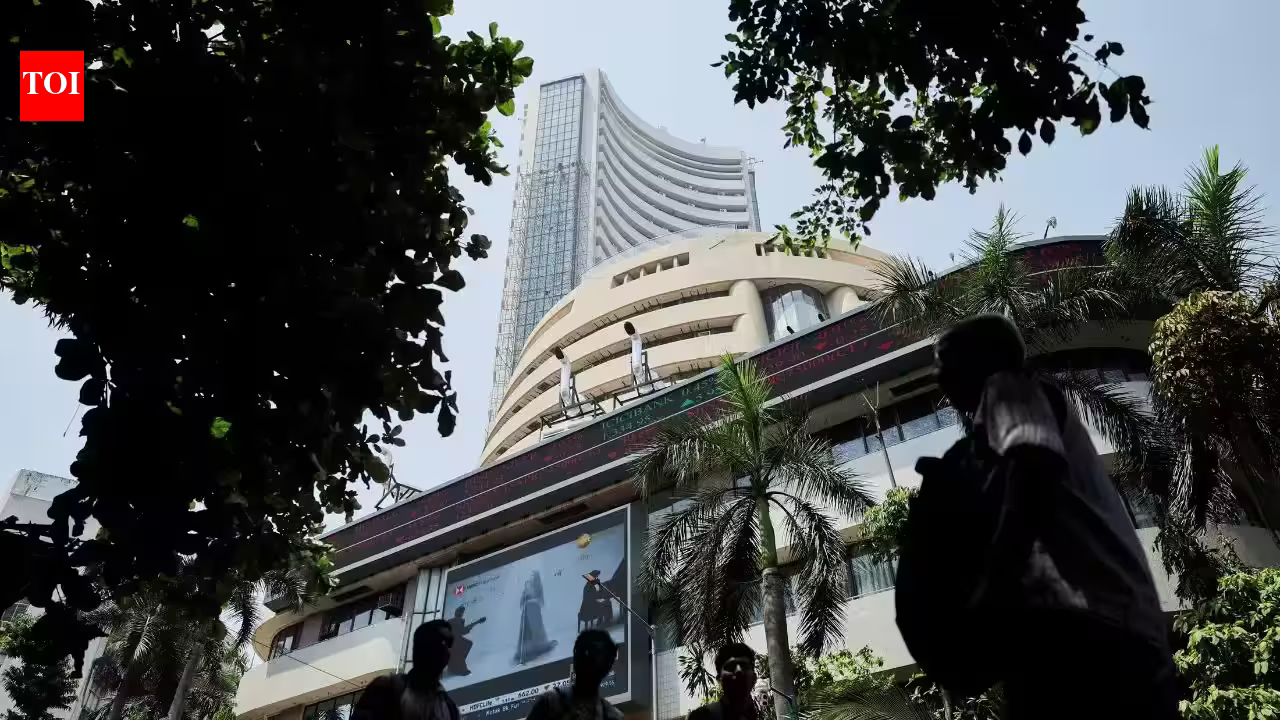
Investors often perceive oil as a bellwether for systemic risk. For companies in the logistics, aviation, and chemical sectors, higher crude prices compress profit margins, leading to negative sentiment that reflects in the Nifty 50 and BSE Sensex indices. The market’s reaction to the current geopolitical landscape demonstrates a classic flight to caution, where institutional investors rebalance their portfolios to favor defensive assets. This ongoing volatility emphasizes the necessity for Indian market participants to monitor West Asian stability as closely as they track domestic fiscal policies.
The GIFT Nifty and Market Sentiment Analysis
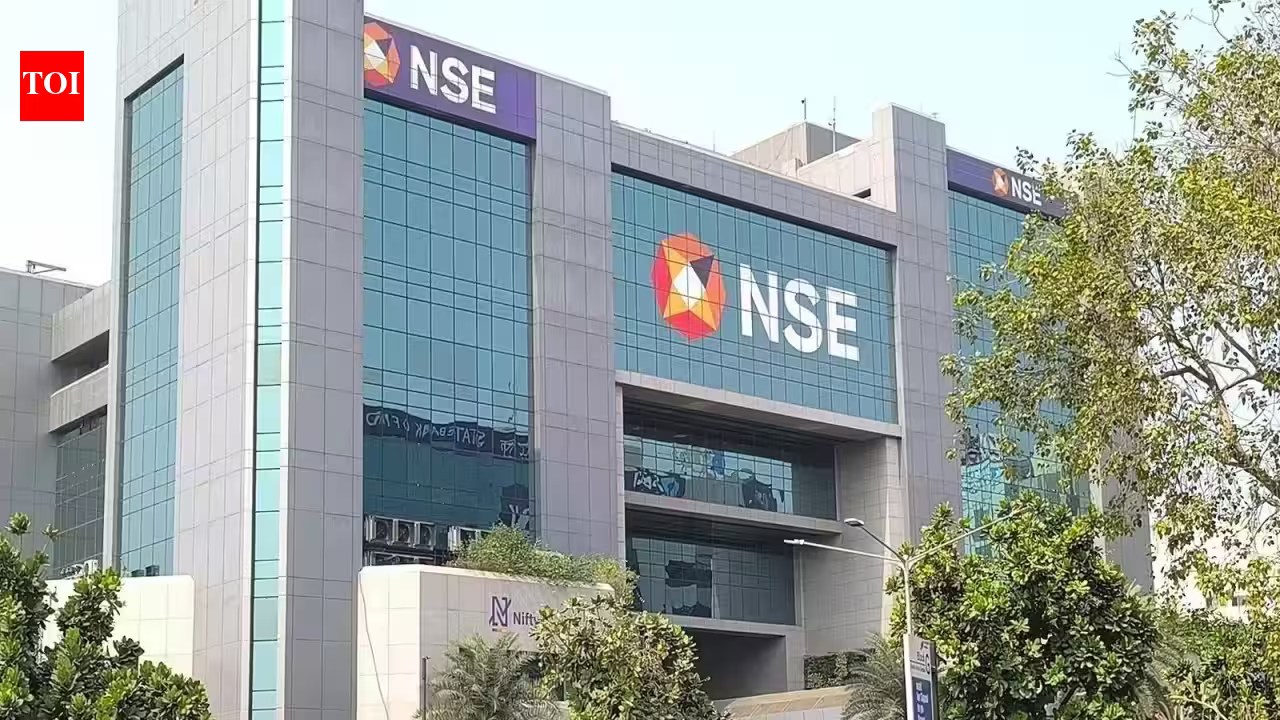
The performance of GIFT Nifty futures serves as a vital barometer for the opening direction of the National Stock Exchange of India. With the latest data pointing toward a weak start at the 23,270-point mark, it is clear that the prevailing sentiment is one of cautious consolidation. When pre-market indicators suggest a decline, it generally signals that global catalysts—such as interest rate expectations and trade tensions—are outweighing domestic growth narratives in the short term.
In the current context, the disparity between Asian markets, such as the resilience of the Japanese Nikkei compared to the broader decline in the MSCI Asia ex-Japan index, highlights a fragmented regional outlook. Indian investors must distinguish between domestic structural drivers, such as corporate earnings growth and infrastructure spending, and the external headwinds provided by global bond yields. While the Nifty may experience pressure due to these international factors, the long-term capital flows into India remain structurally supported by a growing retail investor base and robust systemic liquidity, which often act as a buffer against day-to-day volatility caused by headline-driven news.
Macroeconomic Interdependencies and US-China Trade Dynamics
The ongoing negotiations between the United States and China continue to influence the global supply chain, with repercussions reaching the Indian manufacturing and export sectors. As global trade policies shift, India is increasingly positioned as a beneficiary of the “China Plus One” strategy, where multinational corporations look to diversify their production bases. However, in the short term, trade uncertainty breeds hesitancy among global institutional investors, leading to temporary outflows from emerging markets.
Furthermore, the fluctuations in global bond yields have become a critical factor for equity valuations. As yields on US Treasuries climb, the relative attractiveness of emerging market equities tends to diminish, forcing a recalibration of discount rates for future corporate earnings. For the Indian market, this means that even companies with strong fundamentals may face downward price pressure if the cost of global capital rises. Keeping a close watch on US economic data, particularly labor statistics and inflation metrics, is no longer optional for Indian market participants; it is a fundamental requirement for assessing the risk-reward ratio of equity exposure in the current quarter.
Diversification and the Role of Safe-Haven Assets
The rise in the price of spot gold amid geopolitical instability highlights the classic behavior of capital preservation during times of uncertainty. Within the Indian investment ecosystem, gold has traditionally served as a hedge against currency devaluation and inflationary spikes. The uptick in gold prices, as observed in recent trading sessions, reflects a broader trend of risk aversion where investors prioritize the liquidity and stability of precious metals over the growth potential of volatile equities.
Beyond traditional assets, the modest appreciation in digital assets like Bitcoin and Ether suggests that investors are also testing the waters of alternative stores of value. However, for the majority of the Indian institutional investor base, the focus remains on blue-chip stocks and government-backed fixed-income instruments. Navigating a market environment characterized by external shocks requires a disciplined approach to asset allocation. Investors are increasingly looking toward sectors that demonstrate pricing power—those capable of passing on the rising costs of energy and logistics to end consumers—as a means of maintaining portfolio health despite broader market fluctuations.
Strategic Outlook for Indian Equities
As the Indian stock market navigates the confluence of volatile energy prices and international diplomatic friction, the primary objective for market participants remains the maintenance of long-term strategic targets. While the immediate outlook is dominated by the noise of indices and global headlines, the fundamental strength of the Indian economy—driven by sustained domestic consumption and private capital expenditure—remains largely decoupled from short-term geopolitical tremors.
It is critical for participants to observe the upcoming US economic data, as these figures will likely dictate the path of interest rates, which in turn influences the flow of foreign portfolio investments into India. Should global yields stabilize, the Indian market is well-positioned to recover, provided that corporate earnings remain resilient in the face of rising input costs. The current environment serves as an opportunity for investors to audit their holdings, focusing on firms with low debt-to-equity ratios and robust cash flows, which are inherently better equipped to weather periods of contraction.
Ultimately, the Indian stock market’s ability to withstand international pressure is a testament to its maturing financial architecture. By focusing on fundamental data points—such as the trajectory of the Current Account Deficit in relation to oil imports and the impact of interest rate decisions on domestic liquidity—investors can better insulate themselves from the emotional volatility often seen in the wake of breaking news. As the market enters a period of heightened sensitivity, a commitment to rigorous analysis and balanced risk management will remain the most reliable strategy for achieving sustainable financial outcomes.
Disclaimer: This content is auto-generated for informational purposes only.
Source: Read Original News