







Nikon Z5 IIC: A Compact Full-Frame Departure
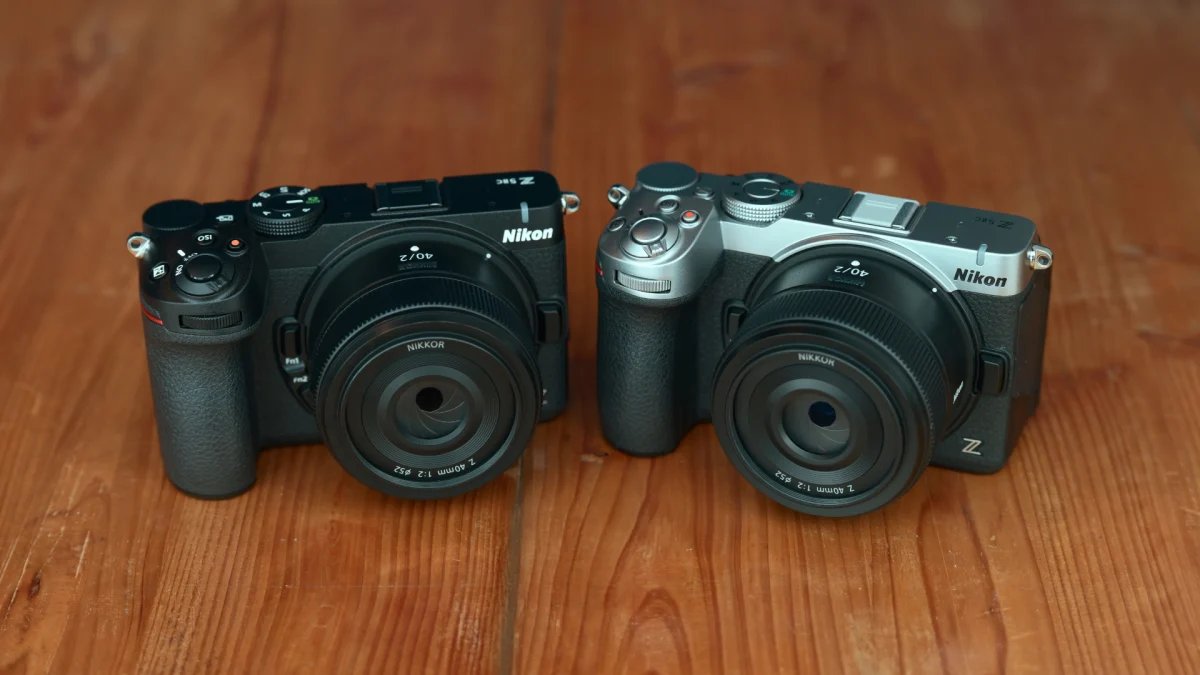
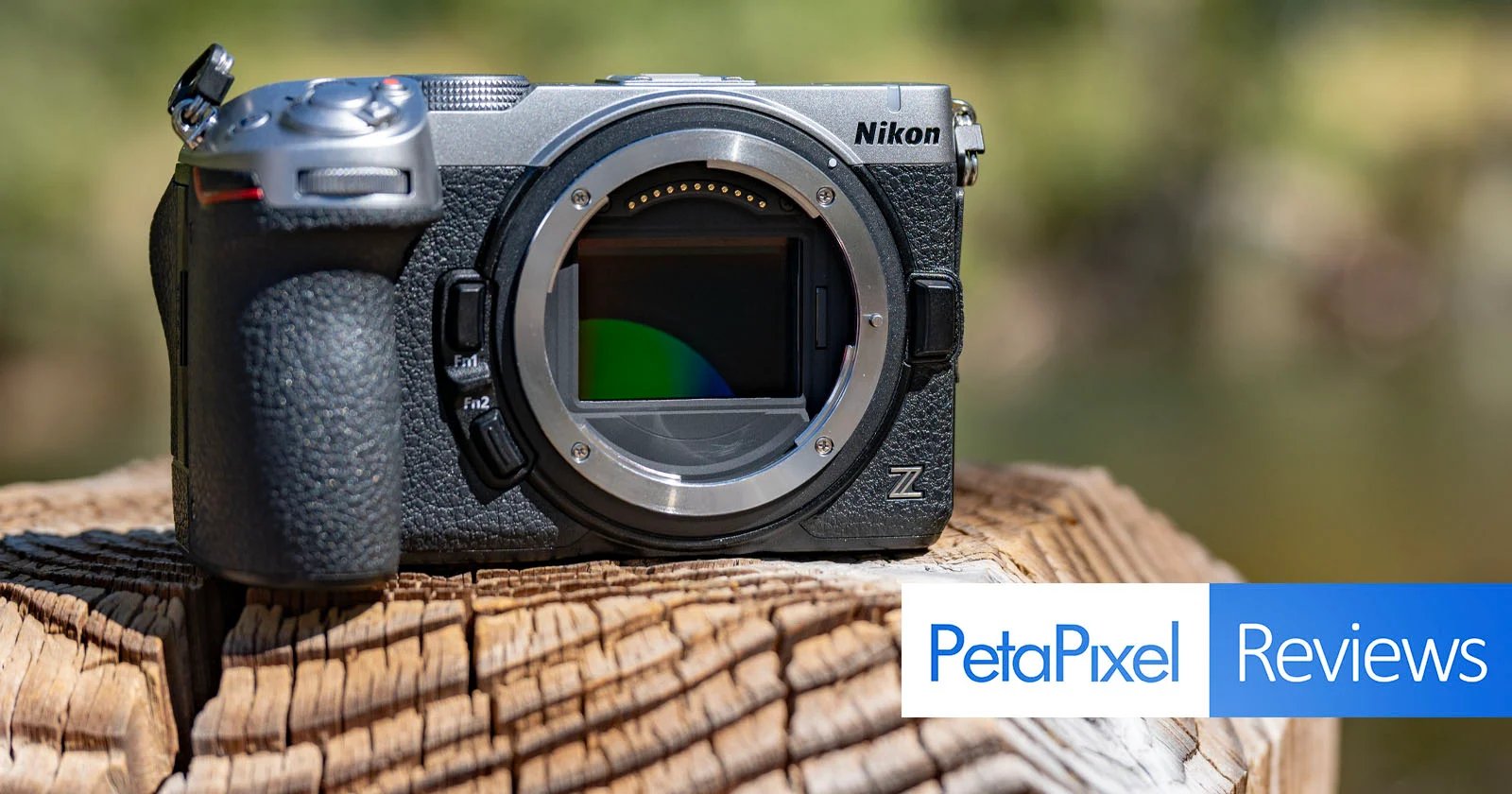
The Nikon Z5 IIC, priced at $1,399, represents a distinct shift in Nikon’s mirrorless strategy. By removing the electronic viewfinder (EVF) and downsizing the chassis, Nikon has created a niche tool that prioritizes portability over traditional SLR-style composition. Weighing in at 620 grams, it is notably lighter than its sibling, the Z5 II, while maintaining a robust grip that provides better handling than many other compact full-frame bodies. The aesthetic is clean and modern, particularly in the silver variant, signaling that the device is intended for a generation of creators who prioritize screen-based shooting.
Design Ergonomics and Limitations
The most significant physical alteration is the absence of an EVF, which forces a reliance on the 3.2-inch fully articulating rear LCD. While the screen is bright enough for outdoor use in direct sunlight, the reduction in resolution to 1.04M dots—down from the 2.1M dots found on the Z5 II—creates a challenge for critical tasks like manual focusing. The control layout has also been streamlined; the removal of the dedicated AF joystick and the AF-ON button requires a shift in workflow. However, the camera compensates with a highly configurable Focus/Exposure Lock button and an “OK” button shortcut to reset the autofocus point, allowing users to adapt their muscle memory relatively quickly.
Autofocus and Sensor Capabilities
Beneath its exterior, the Z5 IIC features a 24-megapixel full-frame sensor that remains a benchmark for reliability. It offers excellent dynamic range at base ISO, allowing for significant shadow recovery in high-contrast landscape environments. The autofocus system is a standout feature, inheriting the sophisticated subject detection and 3D tracking capabilities found in higher-tier Nikon bodies. A new addition, specific to this model, is the inclusion of a dedicated Fish Detection mode, which serves as a specialized tool for aquarium or underwater photography. Despite the camera’s compact nature, it performs admirably in low-light conditions, supported by an internal image stabilization (IBIS) system that provides up to 7.5 stops of compensation.
Video Performance for Content Creators
The video suite of the Z5 IIC is surprisingly professional. It offers oversampled 4K recording up to 30p, which provides exceptional detail and clarity. For those requiring 60p, the camera introduces an APS-C crop, which is a standard trade-off in this category. Advanced users can leverage Nikon’s N-Log profile or record 10-bit color, providing substantial flexibility during color grading. The inclusion of a front-facing tally lamp is a thoughtful addition for solo videographers who need visual confirmation that their footage is rolling. While N-RAW recording is supported, the image processing involved can lead to increased noise and reduced sharpness, suggesting it may not be the primary choice for every workflow.
Real-World Utility and Market Positioning
The Z5 IIC occupies a challenging space. For photographers accustomed to the immersive experience of an EVF, the absence of one can feel like a genuine impediment. The necessity of using the rear screen for everything from subject framing to checking sharpness can be cumbersome in fast-paced environments. However, for a target demographic of social media creators and hybrid shooters who exclusively use rear displays, the Z5 IIC offers a high-performance, full-frame entry point at a competitive price. By ditching the viewfinder, Nikon has essentially prioritized a slim form factor for those who find traditional camera interfaces redundant.
Final Verdict
Deciding on the Z5 IIC depends entirely on whether a user views the EVF as a requirement or a vestige. If the shooting style involves relying solely on the monitor, the Z5 IIC offers a premium sensor, robust IBIS, and excellent autofocus at a significant cost saving compared to more professional models. Conversely, those who require the stability and precision of an eye-level viewfinder will likely find the Z5 II to be the superior investment. It is a capable, specialized tool that successfully bridges the gap between casual content creation and serious, professional-grade image output.
Disclaimer: This content is auto-generated for informational purposes only.
Source: Read Original News