







The Transition to Silicon-Only Architecture
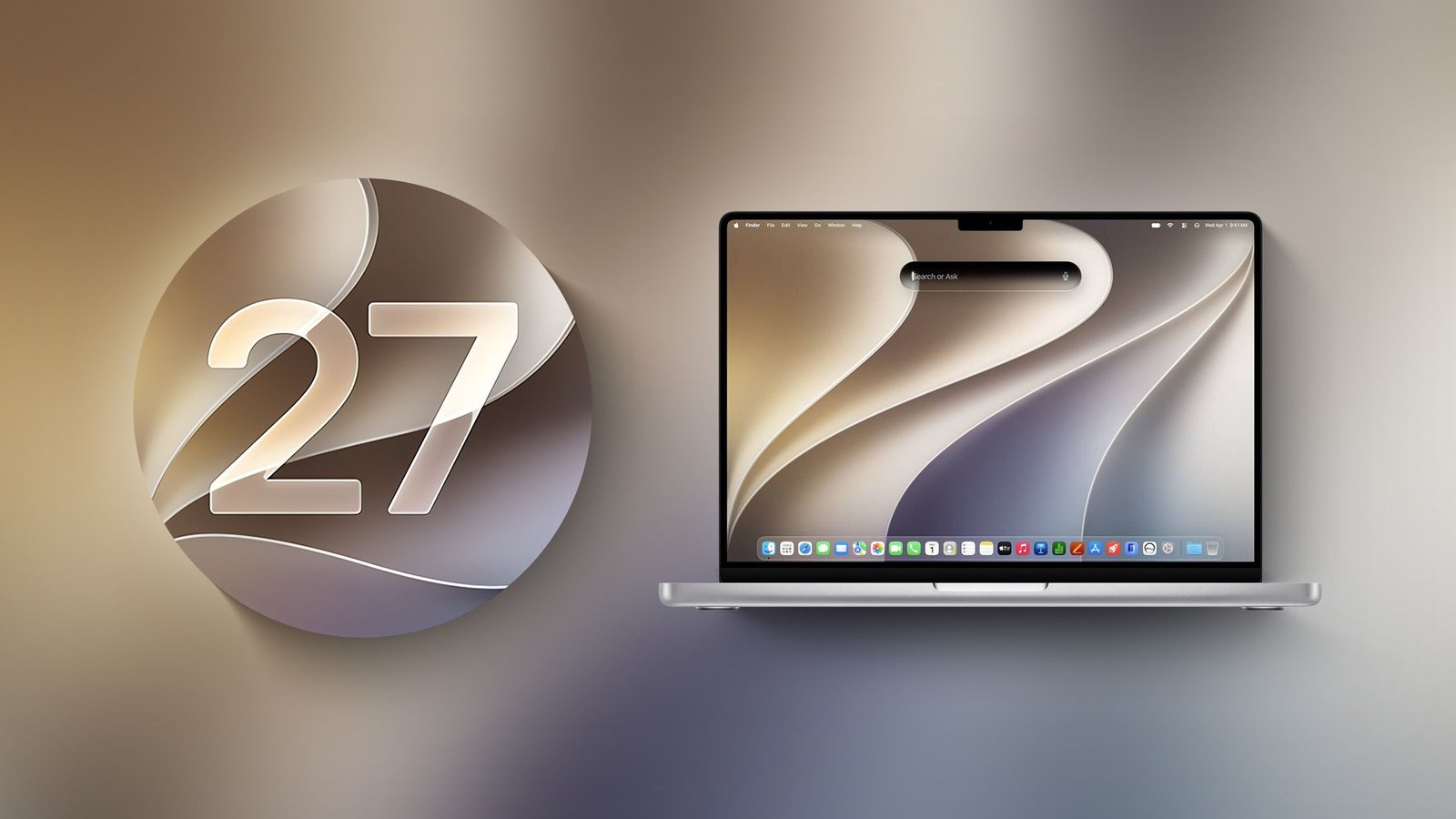
The launch of macOS Golden Gate marks a definitive turning point in Apple’s computing history. For the first time, the operating system has completely shed its support for Intel-based hardware, rendering the software exclusive to Apple silicon Macs. This shift represents the final stage of a multi-year transition strategy initiated when the company first introduced its custom M-series processors.
While Intel Macs are now relegated to the previous version of the OS, macOS Tahoe, Apple has committed to providing security patches for these older machines through the fall of 2028. However, users remaining on Intel hardware will miss out on the performance optimizations, refined AI integration, and core security improvements found in Golden Gate. This move highlights Apple’s drive to unify its software ecosystem around its proprietary architecture, allowing for tighter integration between hardware and software.
Sunset for Legacy Tools and Protocols
As Apple optimizes macOS for the efficiency of its current chipsets, it has systematically removed legacy features that no longer align with modern standards. One of the most significant changes is the total elimination of Boot Camp. Given that Boot Camp was specifically designed to allow x86-based Windows installations on Intel hardware, its absence in Golden Gate is a logical byproduct of the platform transition. Users requiring Windows functionality on Apple silicon are now directed toward virtualization solutions, such as Parallels or VMware Fusion, which facilitate running operating systems atop the ARM-based architecture.
Additionally, Apple has finalized the removal of the Apple Filing Protocol (AFP). Having been deprecated for several years, AFP has been entirely stripped from the OS client. This has direct consequences for legacy hardware, most notably the discontinuation of native support for Apple’s older Time Capsule backup devices. Since these devices traditionally relied on AFP or the insecure SMBv1 protocol, they are no longer compatible with the current system. Modern Time Machine backups now exclusively utilize the robust SMBv2 or SMBv3 protocols to ensure data integrity and security.
The Evolving Role of Rosetta 2
Rosetta 2, the translation layer that allowed Intel-based applications to function on Apple silicon, is beginning to reach its sunset phase. In macOS Golden Gate, Rosetta 2 is not enabled by default, though users who still rely on older applications can opt to reinstall it. This implementation serves as a warning to both developers and users that the reliance on legacy translation is approaching a hard stop.
Apple has proactively included diagnostic tools within Golden Gate to help users transition away from these apps. Within the System Settings under General, About, and the Intel-Based Apps section, users can identify which software currently depends on the translation layer. This transparency is critical, as macOS 28 is expected to remove Rosetta 2 almost entirely, with the exception of specific, unmaintained legacy games. This clear roadmap encourages developers to release native ARM versions of their software or risk total incompatibility in future OS updates.
AirPort Utility and Networking Lifecycle
The removal of the AirPort Utility from the base installation of macOS Golden Gate signals the formal end of an era for Apple’s networking hardware. While the AirPort Extreme and AirPort Express devices have not been manufactured for years, their utility remained accessible to users who maintained legacy networks.
Under the new OS, the utility is no longer bundled with the software package. Although users who already have the application installed may find it continues to function, Apple provides no official support or performance guarantees. This reflects a broader trend in the industry where long-standing utility software for discontinued consumer hardware is phased out to reduce the maintenance burden and prioritize modern, secure networking stacks.
Preparing for a Native Future
The primary impact of these changes is a more secure, streamlined, and performant computing environment. By stripping away legacy codebases such as AFP and narrowing the reliance on Rosetta 2, Apple reduces the attack surface of the operating system and simplifies long-term maintenance. For professional users and developers, this shift necessitates a full move toward native Apple silicon builds.
The transition, while disruptive for those holding onto older hardware or niche software, is designed to ensure that the macOS environment remains optimized for the high-efficiency architecture of contemporary Macs. As Apple continues to lean into its custom silicon, the removal of legacy components serves as a necessary pruning process, ensuring that future updates can remain lean, responsive, and capable of supporting the next generation of AI-driven capabilities and hardware innovations. For users, the message is clear: the future of the Mac platform is exclusively native, and the remaining vestiges of the Intel era are rapidly coming to an end.
Disclaimer: This content is auto-generated for informational purposes only.
Source: Read Original News