







The Strategic Pivot in Microsoft’s Hardware Identity
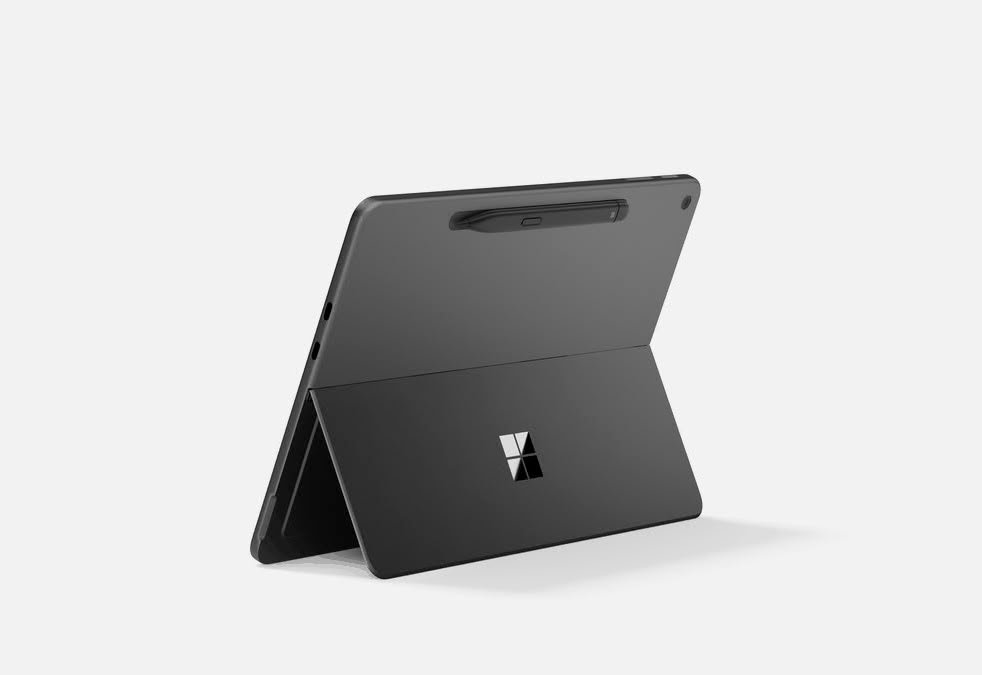
Microsoft has officially initiated a quiet withdrawal from the high-profile Copilot+ branding that dominated its marketing throughout 2024. This shift became evident with the recent launch of the new Surface Pro and Surface Laptop models powered by the Snapdragon X2 Plus processors. While these devices are functionally identical to what the market previously understood as “Copilot+ PCs”—complete with the necessary Neural Processing Unit (NPU) capabilities—the marketing terminology has been conspicuously sidelined.
This transition is not merely a cosmetic change but a fundamental shift in how Microsoft views the integration of artificial intelligence into the personal computing ecosystem. According to Surface Corporate Vice President Brett Ostrum, the original purpose of the Copilot+ branding was to establish a benchmark for a specific category of hardware. By mandating a 45 TOPS (Trillions of Operations Per Second) NPU, Microsoft sought to distinguish premium, AI-capable machines from the broader market of standard laptops. With that initial goal accomplished and the ecosystem of NPU-equipped hardware reaching a level of maturity, the company is pivoting toward a future where AI features are assumed to be a native component of the Windows experience, rather than an external label to be advertised.
Defining the New Standard for Local AI
The Copilot+ initiative served as an essential “transitional period” for the computer industry. During the initial rollout, the market was flooded with diverse hardware, creating a confusing landscape for consumers attempting to differentiate between standard notebooks and those capable of executing sophisticated local AI tasks. The Copilot+ certification acted as a necessary filter, ensuring that users could identify devices capable of running on-device large language models (LLMs) and generative features without relying entirely on cloud-based processing.
Now that the 45 TOPS NPU threshold has become a standard specification for flagship mobile processors from vendors like Qualcomm, Intel, and AMD, the need for a separate label has diminished. The industry has reached a tipping point where the “AI PC” is no longer a niche, specialized product category but the default expectation for high-end computing. Consequently, Microsoft is moving toward a strategy where the performance metrics—such as the TOPS rating of the NPU—are treated as standard hardware specifications alongside CPU clock speeds and RAM capacity, rather than a branding exercise meant to signify a new class of device.
The Ripple Effect Across the PC Industry
Microsoft is not alone in this transition. The movement away from explicit “Copilot+” branding appears to be an industry-wide trend involving major original equipment manufacturers (OEMs) and silicon partners. For instance, the recent introduction of NVIDIA’s RTX Spark architecture, which easily exceeds the performance requirements for advanced AI tasks, has debuted without heavy emphasis on Microsoft’s previous labeling system. Major manufacturers, including Acer, have showcased these powerful hardware designs at trade shows like IFA, opting to focus on performance metrics, graphics capabilities, and professional utility rather than aligning their products with the specific “Copilot+” marketing terminology.
This shift suggests that hardware manufacturers are regaining control over their product messaging. By moving away from a single, Microsoft-dictated branding requirement, OEMs can emphasize unique selling points—such as display quality, chassis design, and proprietary cooling systems—that were previously overshadowed by the broader AI initiative. This fragmentation of branding may signify that the PC market is returning to a focus on holistic performance rather than prioritizing one specific software-centric label.
The Challenge for Consumers and Spec Sheet Literacy
The withdrawal of the Copilot+ label places a greater responsibility on the end-user to decipher technical specifications. In the era of clear, badge-based marketing, a consumer could simply look for a “Copilot+ PC” sticker to guarantee they were purchasing a device ready for future AI advancements. As that branding fades, the task of verification shifts to the individual buyer. Users will now need to scrutinize spec sheets for the NPU’s TOPS performance, the total system memory capacity, and the specific architecture of the processor to ensure their hardware meets the requirements for current and upcoming local AI workflows.
This trend toward technical literacy is arguably a positive development for power users and enterprise purchasers who have always prioritized granular hardware data over marketing jargon. However, for the average consumer, it may create a temporary friction point. Without the simplified branding, the barrier to entry for understanding what constitutes an “AI-capable” machine has been raised, potentially leading to confusion regarding which laptops will be compatible with future Windows feature updates that rely on NPU acceleration.
Looking Toward a Ubiquitous AI Future
The ultimate takeaway from this rebranding strategy is that AI is being normalized within the Windows architecture. When Microsoft first introduced the Copilot+ brand, it felt like an invitation to a new, exclusive club. Today, the technology has transitioned into a utility. By removing the branding, Microsoft is signaling that AI capabilities are now simply part of the foundation of the OS, similar to how DirectX support or Wi-Fi 7 compatibility are simply expected features of a modern machine.
As the industry moves forward, the hardware specifications—particularly the shift to more efficient and powerful NPUs—will continue to define the limits of what a PC can do. Whether or not it carries a specific marketing badge, the hardware that powers the next generation of computing is already here. Consumers should expect that while the labels may disappear, the underlying push for more powerful, on-device AI silicon will only accelerate as developers continue to build applications that leverage these localized processing resources. The “Copilot+” era served its purpose as a catalyst, and the future of the PC market will now be defined by the quiet, pervasive integration of AI into the standard computing experience.
Disclaimer: This content is auto-generated for informational purposes only.
Source: Read Original News