







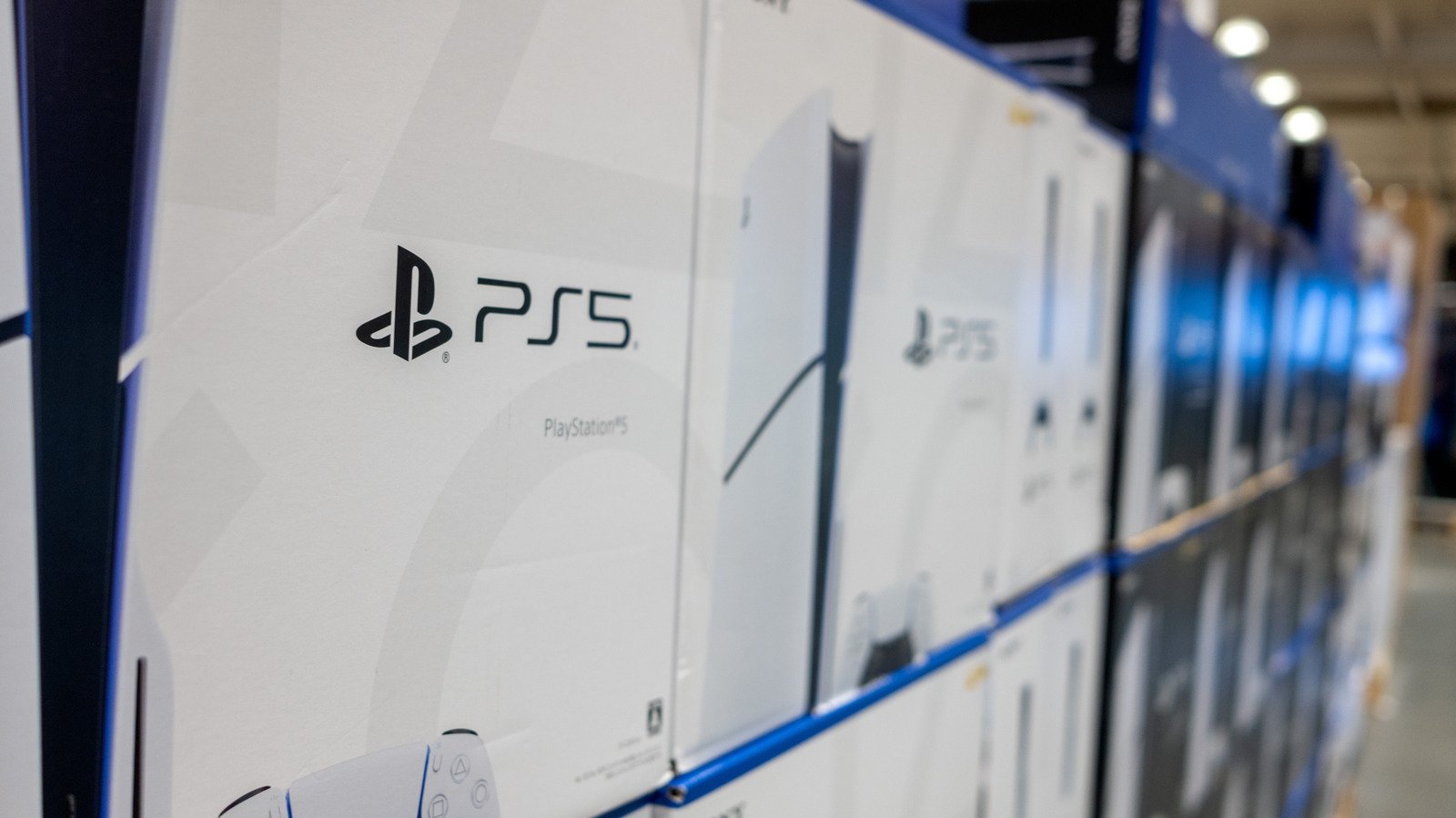
The PlayStation 5 has firmly established itself as a centerpiece of modern home entertainment, but its bulky footprint extends beyond the console itself to the massive retail packaging it arrives in. For many owners, the arrival of a new console brings a lingering question: is the oversized cardboard box worth the closet or attic space it demands, or is it merely high-quality clutter? While the instinctive urge to preserve original packaging is common among tech enthusiasts, evaluating the necessity of the PlayStation 5 box requires balancing long-term utility against the reality of domestic storage constraints.
The Practicality of Original Packaging
From a structural standpoint, the PlayStation 5 retail box is an engineering marvel designed specifically to mitigate the risks of transit. The custom-molded inserts provide a snug fit for the console, the DualSense controller, and the necessary cabling. This precise compartmentalization ensures that the device remains immobilized during movement. If you anticipate moving residences or frequently transporting your console to gatherings, the original box serves as the most effective safeguard against physical damage.
Furthermore, Sony’s official documentation frequently references the utility of the original packaging for warranty repairs. While the company does not mandate the use of the original box for shipping a unit to a service center, they do require that the product be packed securely in a box of sufficient rigidity with adequate cushioning. Using the original box satisfies these requirements instantly without the need to hunt for specialized shipping materials or bubble wrap, effectively streamlining the logistics of a potential hardware repair.
Impact on Secondary Market Resale
The most common justification for retaining the packaging is the prospect of future resale value. In the secondary market, the difference between a “loose” console and one that is “complete in box” (CIB) is often significant. A unit that includes the original box, original internal inserts, and all associated cables presents as a more complete and well-maintained product to potential buyers.
This presentation carries psychological weight. When a prospective buyer sees the original packaging, it creates an implicit narrative that the previous owner valued the hardware and managed it with care. While the cardboard itself does not inherently improve the performance of the console, it often allows a seller to command a premium or, at the very least, secure a faster transaction. The presence of the box signals that the item is a “full package,” which reduces hesitation for buyers concerned about missing components or hidden damage. However, sellers should manage expectations; while the box is a positive attribute, its presence alone will not compensate for a damaged console or a lack of essential accessories like the power cord or HDMI cable.
Space Management and Minimalism
For those who live in environments with limited storage, the trade-off between the utility of the box and the loss of living space is a critical calculation. If you are unlikely to sell the console in the next few years and have no upcoming relocation plans, keeping an empty box is arguably an inefficient use of square footage.
Many owners opt for a middle ground: retaining the smaller, more manageable boxes for accessories or the original manuals while recycling the outer shell. If you decide to dispose of the packaging, ensure that you store your cables and controller in a dedicated, clearly labeled container. This prevents the loss of specific items that are difficult to replace, such as the specific base stand screw or the high-speed HDMI cable that came with the unit. Minimalism often outweighs the marginal gains of retail packaging, especially if the console is intended for years of long-term use rather than quick resale.
Strategic Logistics for Non-Boxed Consoles
If you choose to discard the original packaging, you are not necessarily sacrificing the safety of your device should you need to ship it later. The key to replacing the original box is selecting a shipping container that is double-walled for structural integrity and using high-density foam or thick bubble wrap to immobilize the console.
When shipping a naked console, focus on preventing internal vibration. The console should have at least two inches of padding on every side. If you are shipping the controller and cables, do not pack them in the same compartment as the console unless they are wrapped and secured in a way that prevents them from scratching or impacting the device chassis during transit. By investing in professional-grade packing materials, you can replicate the protection of the original box without needing to store the bulky cardboard, effectively reclaiming your closet space while maintaining the ability to ship or store your device securely.
Conclusion
Ultimately, the decision to keep the PlayStation 5 box rests on your personal storage capacity and your future plans for the device. If the console represents a long-term fixture in your media center, the original box is an unnecessary occupant of your storage space. The minor benefits regarding perceived resale value or repair convenience are often outweighed by the ongoing inconvenience of housing large, non-functional items. By practicing sound organizational habits and investing in quality packing materials when the need actually arises, owners can enjoy their console without the burden of excessive packaging. Whether you choose to retain the box for the sake of completeness or dispose of it to reclaim your home, the decision has little bearing on the core performance or longevity of the PlayStation 5 itself.
Disclaimer: This content is auto-generated for informational purposes only.
Source: Read Original News