









The prospect of military conflict in the Taiwan Strait has long been analyzed through the lens of geopolitics and economic volatility. However, a growing body of expert analysis is now highlighting an overlooked, catastrophic dimension: the potential for long-term, irreversible environmental collapse across the island. In a recent opinion column for the Taipei Times, commentator Michael Turton warned that a kinetic conflict could result in widespread, lasting contamination of Taiwan’s soil, water, and marine ecosystems, creating a public health and ecological crisis that could persist for decades.
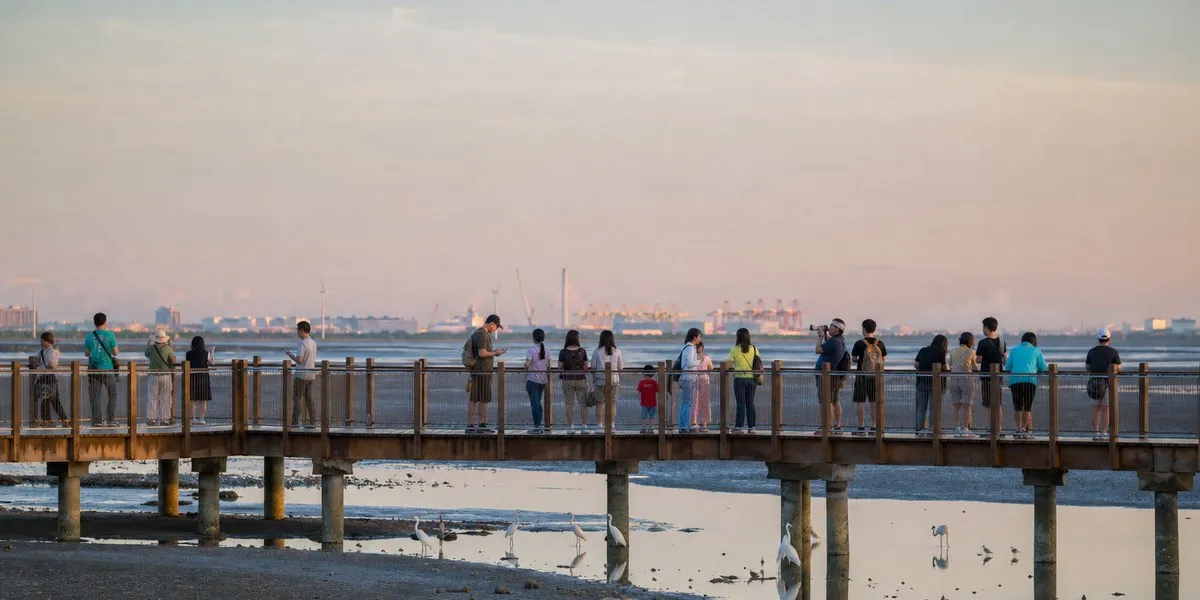
The primary concern lies in the island’s dense industrial landscape. Taiwan is home to a high concentration of chemical production facilities, hazardous waste storage sites, cement plants, and sprawling port infrastructures. Turton points to the region surrounding the Gaomei Wetlands in Taichung as a microcosm of the danger. Situated near major shipping terminals and chemical enterprises, this ecologically sensitive zone—and many like it—could be decimated by strikes on industrial infrastructure.
If chemical plants or storage depots are hit during a conflict, the resulting plumes of toxic smoke and spills of hazardous substances could penetrate local groundwater systems and degrade protected natural habitats. Beyond immediate industrial hazards, the debris of war itself poses an enduring threat. The deployment of advanced munitions introduces toxic heavy metals, rocket fuel components, and unexploded ordnance into the environment. When mixed with the destruction of industrial sites, these elements threaten to create a toxic legacy that would severely complicate any post-war recovery efforts.
Compounding this risk is the precarious nature of industrial waste management on the island. Turton highlights that Taiwan faces existing challenges with illegal or improperly equipped disposal sites, some of which contain unknown substances. If these sites are disrupted by shelling or aerial bombardment, the potential for rapid groundwater contamination is high. With many of these areas hidden under development or left in the open, the extent of the ecological damage could be impossible to calculate or contain until long after hostilities cease.
The environmental fallout would likely extend far beyond stationary pollution. Massive, uncontrolled fires in forests, fields, and industrial zones represent a major secondary danger. In a wartime scenario, emergency response services would be overwhelmed, prioritizing the protection of human life and critical infrastructure over wildfire suppression. Without adequate intervention, these blazes would spread across slopes and into industrial sectors, releasing clouds of toxic dust and hazardous smoke that could blanket the island. Furthermore, the sinking of vessels in ports—such as those on the east coast—could lead to major oil spills, while strikes on reservoirs and water supply facilities could catastrophically compromise the island’s potable water security.
The agricultural sector, a cornerstone of Taiwan’s domestic food security, would also face severe degradation. Soil contaminated by heavy metals or chemical runoff could be rendered unusable, forcing a reliance on imports and exacerbating the humanitarian toll of a conflict.
In light of these projections, the discourse surrounding national security is shifting to include “environmental preparedness.” Experts are calling for a more holistic approach to disaster management that moves beyond military logistics. This includes rigorous training for local community leaders, residents, and emergency staff, specifically focusing on the containment of toxic spills and the organization of orderly evacuations from high-risk industrial zones.
Furthermore, with debates heating up over the potential reactivation of nuclear power plants in Taiwan, the issue of radiological safety has become paramount. Preparedness for a potential radiological incident—whether caused by direct conflict or infrastructure failure—must now be integrated into national civil defense plans.
The warning from analysts is clear: the ecological footprint of a modern conflict in the Taiwan Strait would be immense. For a small, densely populated island, the cost of war would be measured not only in geopolitical terms but in the long-term poisoning of the land and water that sustains its people. Addressing these environmental vulnerabilities is no longer just a matter of conservation; it is an urgent component of national security.
Disclaimer: This content is auto-generated for informational purposes only.
Source: Read Original News