








The Shift Away from Optical Media
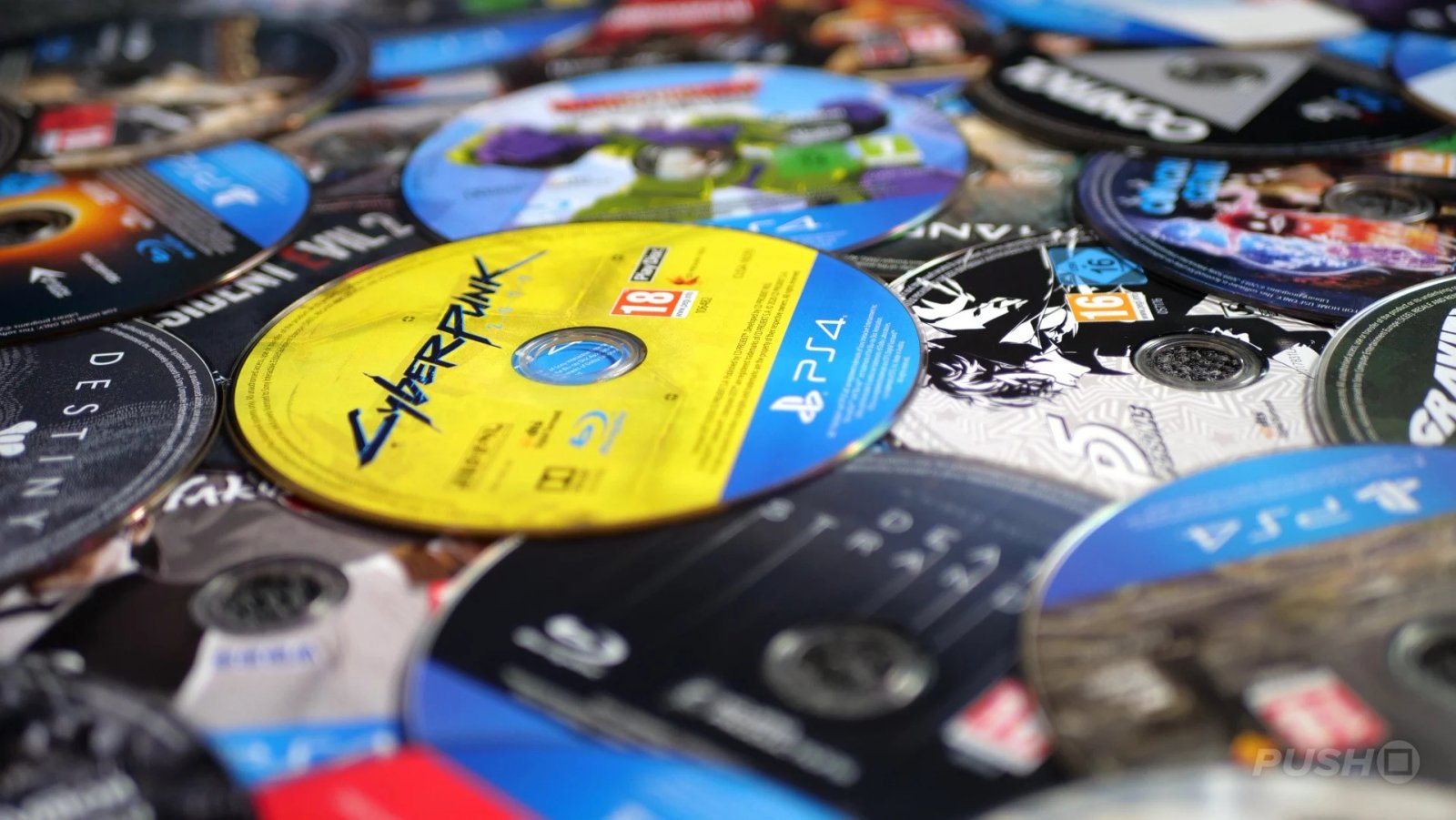
The gaming industry is currently navigating a significant technological transition as major platform holders move toward an all-digital infrastructure. Sony, a dominant force in the console market, has announced plans to discontinue the manufacture of physical discs for its PlayStation systems starting in January 2028. This decision marks a departure from decades of tradition where physical media acted as the primary vehicle for software distribution, ownership, and preservation. While industry giants like SEGA and Capcom have publicly expressed indifference toward this move, signaling a comfort with the dominance of digital storefronts, smaller publishers and niche-focused companies find themselves in a complex position. For these firms, the physical disc is more than a data carrier; it is a vital component of a retail strategy that relies on collector’s editions and tangible product ownership.
The Economic Impact on Niche Publishers
Companies such as NIS America operate with a business model that heavily emphasizes premium physical offerings. For their customer base, which consists of enthusiasts and collectors, the inclusion of physical media—often bundled with art books, soundtracks, and specialized packaging—is a primary driver of sales. The concern for these publishers is not merely the loss of a distribution medium but the potential erosion of the value proposition that makes their collector’s editions successful. If a physical box no longer contains a disc but instead holds a digital download code, the consumer perception of the product may shift from a permanent, owned item to a mere container for ephemeral software access. This dynamic poses a risk to the bottom line of companies that have invested heavily in logistics and physical inventory management.
The Role of Developer Feedback
Recent reports indicate that Sony is actively surveying development partners to gauge the industry-wide reaction to the impending disc-less future. This feedback loop is essential, as the decision to abandon optical drives impacts developers and publishers of all sizes differently. During recent industry events, leadership from NIS America noted that while their primary goal is to maintain the quality and accessibility that customers expect, they are currently in a state of uncertainty regarding the specifics of post-2028 distribution. The prospect of moving to a “code-in-a-box” model remains a possibility, but industry executives are hopeful that ongoing dialogue with the platform holder might lead to adjustments or alternative solutions that satisfy both the environmental goals of the manufacturer and the retail requirements of their partners.
Technological Challenges and Environmental Considerations
A significant technical and ethical hurdle in this transition is the environmental impact of physical packaging. If publishers continue to sell boxed products that contain nothing more than a redeemable key code, the industry faces criticism regarding the unnecessary production of plastic, paper, and shipping materials. Should the industry standardize “code-in-a-box” distribution, companies will need to justify the carbon footprint of these products. Publishers like NIS America are cognizant of their environmental footprint and are likely seeking a path that avoids creating “dead” inventory—empty plastic boxes that serve only to facilitate the sale of a digital license. Developers are hoping that by providing this feedback to hardware manufacturers, they can influence a more sustainable or efficient approach to physical-digital hybrid products.
Preservation and Future Prospects
Beyond the immediate commercial impact lies the broader issue of digital preservation. As the industry moves toward server-dependent, all-digital distribution, the long-term accessibility of software becomes increasingly contingent on the operational status of digital storefronts and account management services. Physical discs have historically provided a form of offline accessibility that does not rely on active authentication servers. The pushback from publishers and the interest of the development community reflect a desire to protect this legacy. While the transition appears inevitable, the insistence from stakeholders that the hardware manufacturer considers the long-term consequences of this shift could prove vital. It remains to be seen whether Sony will deviate from its 2028 deadline, but the ongoing conversations between leadership teams suggest that the final structure of the digital-first era is still being negotiated.
Anticipating the Transition
As 2028 approaches, the industry is bracing for a fundamental change in how software reaches the consumer. While the path toward digital distribution appears streamlined for massive publishers with established digital ecosystems, smaller entities are tasked with finding ways to retain their identity in a world without optical media. Whether this results in a complete migration to digital-only sales, the rise of premium “merchandise-only” boxes, or new partnerships with local retailers, the outcome will redefine the relationship between the hardware provider and the third-party developer. The expectation for high-quality, physical artifacts remains strong among gamers, and publishers remain committed to meeting that demand, even if the definition of a “physical game” undergoes a significant, and perhaps permanent, technological evolution.
Disclaimer: This content is auto-generated for informational purposes only.
Source: Read Original News