









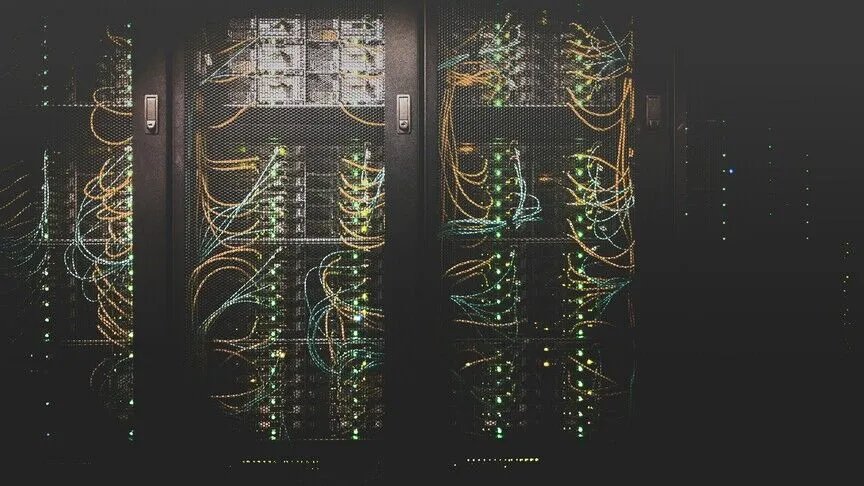
As the artificial intelligence boom accelerates, the rapid proliferation of massive data centers across the United States has ignited a fierce conflict between the tech industry and local communities. While these computational hubs are essential for powering modern large language models, residents living in their shadow are increasingly reporting severe environmental degradation, ranging from water contamination to constant acoustic disruption.
The human cost of this infrastructure is becoming increasingly visible. In Georgia, Beverly and Jeff Morris are among a group of residents who filed a lawsuit against Meta in August 2026. Living within 100 feet of the company’s Stanton Springs facility, the plaintiffs claim that extensive site excavation and deforestation have damaged the local aquifer, leading to sudden drops in water pressure and tap water that flows brown with sediment. While Meta maintains that its internal hydrogeological studies suggest the facility does not utilize groundwater, the residents report that their wells have been effectively rendered unusable.
Similar grievances have emerged in Louisa County, Virginia, where Austin Newsom reports that the construction of an Amazon data center has fundamentally altered his daily life. Beyond claims of brown, sediment-heavy tap water, Newsom reports that vibrations from heavy machinery have caused structural damage to his home. These physical disruptions are compounded by persistent road flooding, intrusive light pollution, and a relentless industrial drone that has significantly degraded local quality of life.
The environmental impact of these facilities extends well beyond the immediate vicinity of their construction sites. According to a recent report from the University of Sydney, the massive energy consumption and carbon footprint associated with data centers threaten to elevate global temperatures, with potentially catastrophic consequences for biodiversity. The study warns that even a marginal increase in hot days could disrupt bee breeding cycles and degrade sperm quality, a trend that could result in the extinction of up to 14.1 million bees annually.
The trajectory of this energy demand is steep. Slava G. Turyshev, a researcher at NASA’s Jet Propulsion Laboratory, projects that global electricity demand will nearly double within the next five years. To meet this hunger for processing power, developers are scouting locations for more facilities, which may rely on a mix of energy sources, including nuclear, coal, and oil.
Faced with growing public resistance to the transformation of neighborhoods into industrial warehouse zones, researchers are now looking to the stars for a solution. The concept of “space-based data centers”—relocating computational infrastructure into Earth’s orbit—has moved from science fiction to a subject of serious evaluation. Proponents argue that shifting these hubs into space could provide a necessary reprieve for the terrestrial environment, bypassing the localized water and noise pollution currently plaguing rural communities.
However, moving data centers to orbit introduces an entirely new suite of environmental and logistical challenges. Clayton Swope, deputy director of the Aerospace Security Project at the Center for Strategic and International Studies (CSIS), warns that the migration would merely trade one set of environmental risks for another.
“The concerns that you would have about doing data centers in space look very different—more like the same concerns you have when we’re talking about thousands of satellites in orbit today, about traffic coordination,” Swope explained. He noted that the proposal by entities such as SpaceX to launch constellations of up to a million satellites for AI computing could create a precarious orbital environment. Beyond the risks of collision and the management of dead or malfunctioning hardware, there is the persistent threat of increased space debris, which could threaten future space exploration and global communication networks.
As the industry stands at a crossroads, the tension between the insatiable demand for AI compute and the limits of the planet remains unresolved. Whether by addressing local groundwater protection on Earth or navigating the complex hazards of a crowded orbit, the technological race for the future of AI is forcing an urgent reckoning with its environmental price tag.
Disclaimer: This content is auto-generated for informational purposes only.
Source: Read Original News