







Engineering the Future of Foldable Display Longevity
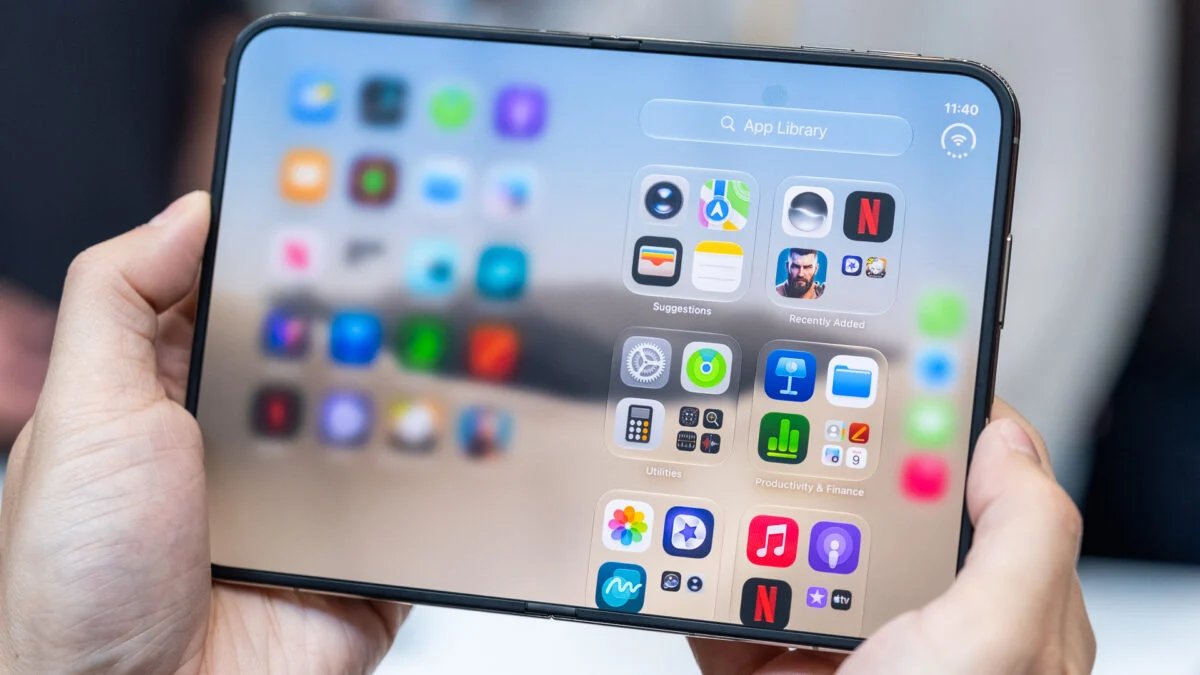
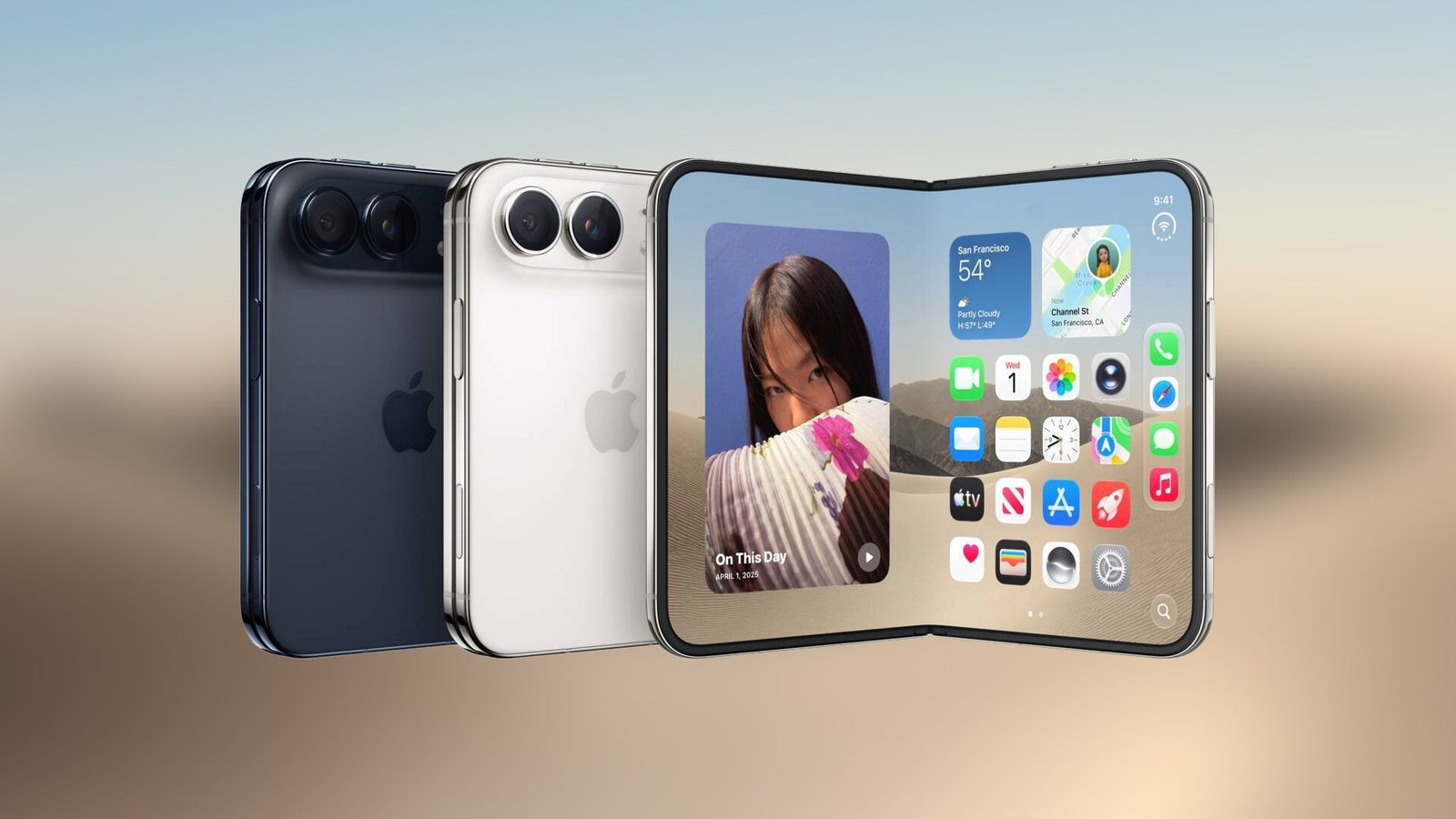
The arrival of the iPhone Duo marks a significant shift in Apple’s hardware strategy, introducing a foldable form factor that challenges conventional mobile design. Central to this innovation is the device’s inner display, which utilizes a specialized nano-texture cover layer. During a recent technical discussion with content creator Angelica Siciliani Fendi, Apple’s vice president of hardware engineering, Kate Bergeron, confirmed that this critical surface layer is engineered for replaceability. This design choice represents a departure from traditional mobile hardware, where display components are frequently fused permanently to the chassis, often requiring comprehensive unit replacements if damaged.
The nano-texture layer is more than a simple screen protector; it serves a functional role in mitigating the visibility of the display crease—a hallmark challenge for all foldable devices currently on the market. By integrating this layer, Apple provides a high-quality visual experience that maintains clarity and depth. Recognizing that foldable interfaces are subjected to constant mechanical stress, Apple has implemented this modular approach to allow the component to be swapped without requiring the entire handset to be discarded or subjected to complex internal repairs.
Technical Benefits of the Modular Cover Layer
From an engineering perspective, the decision to make the cover layer replaceable addresses the realities of long-term usage. Foldable devices undergo thousands of cycles of opening and closing, which puts mechanical pressure on the central hinge and the display material itself. Even with advanced materials science, the microscopic surface of a display can accumulate wear, scratches, or minor indentations over time.
By isolating the nano-texture component as a replaceable module, Apple acknowledges that the physical condition of the display surface is a consumable element of the device’s lifecycle. This methodology ensures that users can maintain the factory-fresh visual characteristics of the iPhone Duo even after years of active service. The “significant amount of engineering work” cited by Bergeron involved creating a precise mounting system that allows the layer to be removed while maintaining the structural integrity of the underlying OLED panel. This minimizes the risk of damage to the internal electronics during the swap, ensuring that the repair process is safe and reliable.
Serviceability and Official Repair Infrastructure
As it stands, the replacement process is positioned as a service-oriented procedure rather than a do-it-yourself task. While the technical capability exists to remove the layer, official documentation and company policy suggest that this work will be restricted to Apple Stores and Apple Authorized Service Providers. This restriction is intended to ensure that the replacement is executed under controlled environmental conditions, preventing dust or debris from becoming trapped between the new layer and the primary display.
The financial framework for this service is already established for those enrolled in the AppleCare+ program. In the United States, users with active coverage can replace the cover layer for a flat fee of $19. This low-cost structure effectively serves as a form of maintenance, encouraging users to refresh their device’s display surface whenever the aesthetics of the screen begin to degrade. While the exact cost for out-of-warranty replacements remains undisclosed, the availability of a dedicated repair path for this specific component suggests that Apple intends to keep the price point competitive relative to standard display repairs.
Impact on the Foldable Device Market
The introduction of a replaceable cover layer for the iPhone Duo may set a new industry benchmark for the serviceability of foldable technology. Competitors in the foldable space often face criticism regarding the longevity of their flexible screens and the high cost of maintenance. By treating the cover layer as a maintainable part, Apple is providing a solution to the apprehension some users feel regarding the lifespan of folding hardware.
This move aligns with broader industry trends toward increased device longevity and sustainability. Reducing the need to replace an entire smartphone due to surface-level wear directly contributes to less electronic waste. It also shifts the perception of the foldable device from a fragile piece of experimental technology to a durable, long-term mobile tool. As the iPhone Duo moves toward its official retail launch on October 23, the focus on repairable components may serve as a persuasive factor for professional users who prioritize device reliability and sustained performance.
Implementation and Consumer Readiness
As pre-orders for the iPhone Duo open on October 16, consumers are getting a clearer picture of how this device bridges the gap between traditional smartphones and tablets. The hardware design, which enables the two halves of the device to connect into a seamless, continuous frame, relies on the precision of the inner display assembly. The replaceability of the cover layer ensures that the primary display remains protected against the normal rigors of daily interaction.
For early adopters, the ability to refresh the display surface offers a level of security that has been largely missing from the foldable segment. By balancing complex, thin-film engineering with a modular service design, Apple is attempting to mitigate the long-term trade-offs typically associated with flexible OLED technology. The technical success of the iPhone Duo will likely be measured by how effectively this replaceable layer holds up under sustained, real-world use, and whether this design approach becomes a standard feature for future iterations of mobile hardware.
Disclaimer: This content is auto-generated for informational purposes only.
Source: Read Original News