









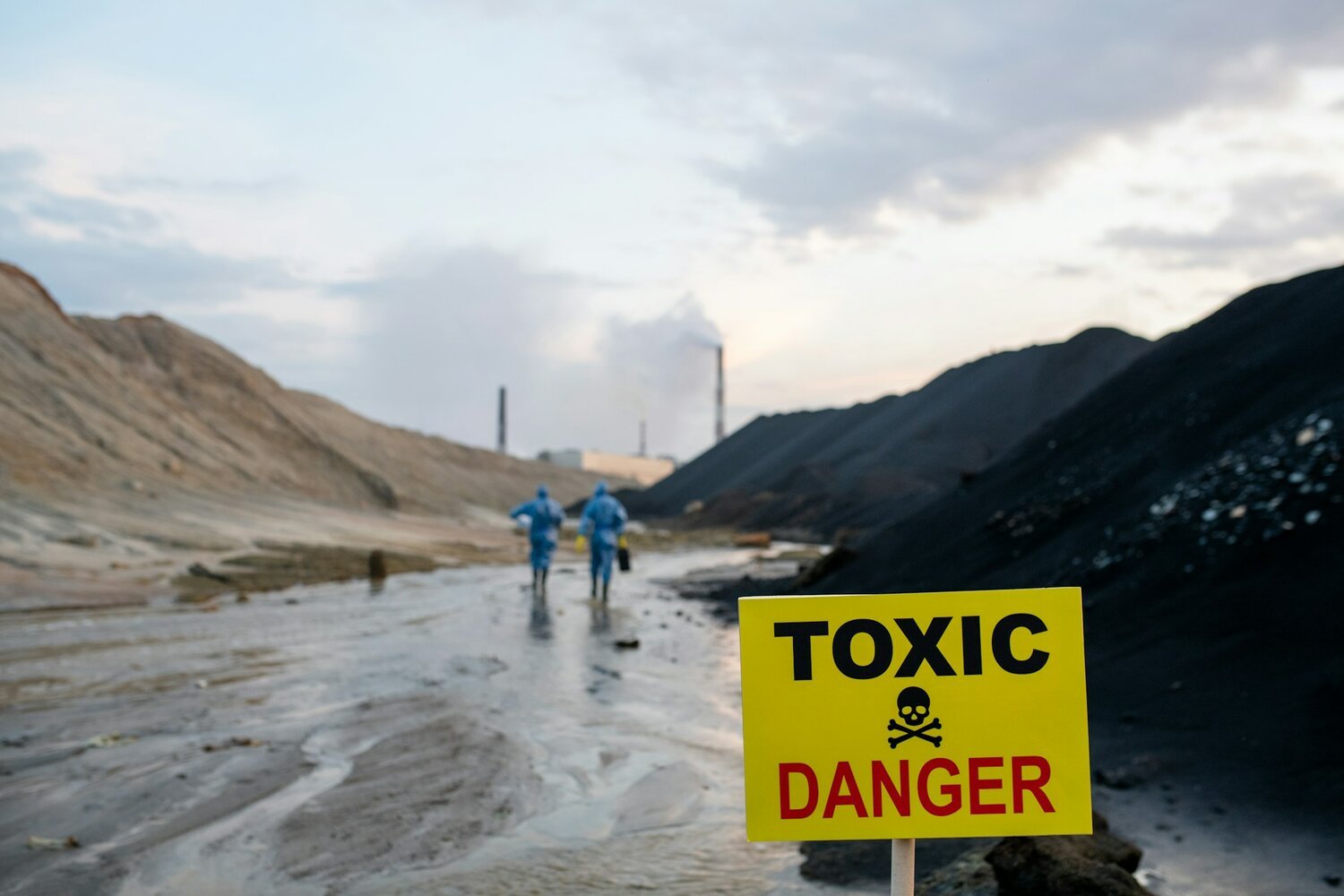
As the United States experiences a manufacturing renaissance, driven by the expansion of semiconductor fabrication plants and large-scale battery factories, a critical, often overlooked operational bottleneck is emerging: the capacity for hazardous waste management. While industrial output grows, the infrastructure required to treat the byproducts of this production is struggling to keep pace, potentially impacting site selection and long-term economic stability.
A recent study by Charles River Associates (CRA), commissioned by environmental services firm Veolia, highlights the potential economic consequences of a widening gap between hazardous waste generation and disposal capacity. The analysis projects that U.S. hazardous waste generation could rise to 37.4 million tons annually by 2033—an increase of roughly 5 million tons over current levels.
The economic implications of a failure to meet this demand are significant. CRA’s modeling estimates that a sustained 1% shortfall in hazardous waste management capacity could reduce projected real U.S. gross output by $27.5 billion by 2033. Should the shortfall reach 3%, that potential economic hit triples to $82.4 billion. While these figures represent economic modeling scenarios rather than guaranteed losses, they serve as a warning for manufacturers: the availability of downstream waste infrastructure must be a primary pillar of investment planning.
A central point of contention in this discourse is the disconnect between national capacity assessments and regional operational realities. In its 2024 National Capacity Assessment, released in early 2025, the Environmental Protection Agency (EPA) concluded that the United States maintains sufficient hazardous waste treatment and disposal capacity through 2049. However, the agency’s findings are tempered by narrow margins in specific categories, such as commercial incineration, where only about 890,000 tons of annual capacity remain available. Furthermore, the EPA’s assessment relies on older data sets, leaving a potential blind spot for the rapid industrial acceleration witnessed over the past two years.
For manufacturers, national averages are misleading. The ability to manage waste is highly dependent on regional accessibility, specific facility authorization, and transportation logistics. A treatment plant may exist within a state, but it may not hold the necessary permits to process the specific chemical waste streams generated by, for example, a high-tech semiconductor plant.
Geographic concentration complicates the issue. Texas currently produces roughly 53% of the nation’s hazardous waste, relying on a localized network of treatment facilities that serve a vast geographic reach. If these facilities face maintenance delays or unexpected shutdowns, the impact ripples across the supply chain, affecting manufacturers far beyond the state’s borders.
More pressingly, new manufacturing hubs are rising in regions that currently lack the specialized infrastructure to handle their byproducts. Arizona, now home to TSMC’s massive semiconductor fabrication facilities, has no broadly available commercial hazardous waste incinerator identified in the EPA’s inventory. Similarly, the Southeast—a burgeoning corridor for electric vehicle battery manufacturing, exemplified by the new Hyundai-SK On facility in Georgia—faces a similar infrastructure gap.
While manufacturers frequently transport hazardous waste across state lines, and many utilize alternative methods like recycling, wastewater treatment, or underground injection, the reliance on long-distance logistics introduces vulnerability. As industrial development continues to decentralize, relying on generalized national capacity figures is no longer a viable strategy for corporate planners. Instead, the focus must shift toward evaluating regional infrastructure against the unique material requirements of new manufacturing processes. Without proactive investment in local or regional waste management solutions, the infrastructure intended to support America’s industrial future may eventually become the very thing that limits its potential.
Disclaimer: This content is auto-generated for informational purposes only.
Source: Read Original News