







Mexico and France are deepening their agricultural partnership, leveraging the impending implementation of the Modernized Global Agreement between Mexico and the European Union to recalibrate trade dynamics. During high-level talks, Mexican Minister of Agriculture and Rural Development (SADER) Columba López and French Minister of Foreign Trade Nicolas Forissier emphasized the need for a balanced, inclusive framework that prioritizes small- and medium-scale producers.
The collaboration comes as the two nations celebrate 200 years of diplomatic relations, signaling a shift toward more sustainable, tech-integrated, and transparent supply chains.
Expanding Market Access Through Regulatory Alignment
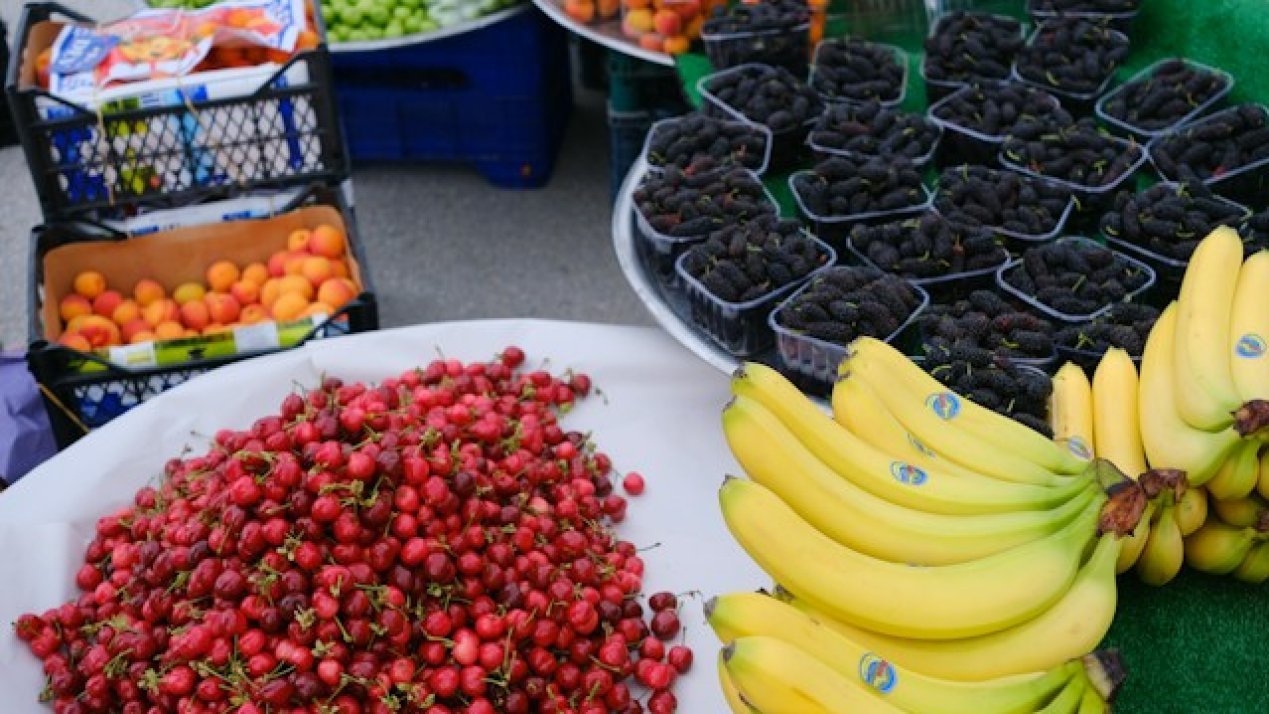
The Modernized Global Agreement, which updates the original 2000 trade framework, represents a significant leap for Mexican agrifood exports. With the European Parliament having already signaled its support, the agreement promises to open a vast market of 450 million consumers to Mexican staples, including coffee, avocado, berries, mango, papaya, lime, banana, and honey.
However, Minister López underscored that tariff reductions are only half the battle. True market access relies heavily on resolving complex sanitary, phytosanitary, and certification bottlenecks. By harmonizing these regulatory hurdles, the two countries hope to ensure that farmers—particularly those operating on a smaller scale—can participate in international trade without being stifled by excessive compliance costs. Mexico is also seeking a continued dialogue on organic product standards to ensure that certification requirements are equitable rather than exclusionary.
Technological Innovation and Sustainable Agriculture
A central pillar of the new bilateral agreement is a formal commitment to research, technology transfer, and innovation. Through a newly signed Letter of Intent between Minister López and French Ambassador to Mexico Delphine Borione, the countries will establish a roadmap for deep cooperation in fisheries, aquaculture, and sustainable farming.
This technological focus is already visible in ongoing initiatives like the AgroEcoBio-Mx project. By combining traditional ecological knowledge with modern agricultural science, the program has successfully implemented 45 Field Schools across nine Mexican states. The use of data-driven diagnostics and systematic training has empowered over 1,500 community promoters, feeding into a broader SADER network that has trained more than 171,000 producers in sustainable practices. These field-level efforts are increasingly supported by digital monitoring and knowledge-sharing platforms, which allow for better tracking of sustainable yields—a key requirement for modern EU importers.
Leveraging Data for a $88.3 Billion Trade Relationship
The stakes for this partnership are high. In 2025, trade between Mexico and the EU hit an impressive US$88.3 billion, with Mexican exports to the bloc accounting for US$23.8 billion. As the EU remains Mexico’s second-largest export market, both governments are utilizing advanced trade metrics and AI-driven logistics analysis to optimize shipping routes and ensure that perishable goods reach European shelves with minimal waste.
By integrating sustainable production tracking with transparent supply chain management, the partnership aims to move beyond simple commodity trading. The shift toward “smart agriculture”—which uses real-time field data to meet the high environmental standards required by the European Union—is expected to be the primary engine for future growth.
As Mexico finalizes its domestic procedures to bring the trade component of the Global Agreement into full effect, the synergy between French market expertise and Mexican agricultural production capacity suggests a new, technology-forward era for the transatlantic trade relationship. The focus remains clear: move away from purely volume-based exports toward a high-value, sustainable, and inclusive model that benefits farmers at every stage of the production chain.
Disclaimer: This content is auto-generated for informational purposes only.
Source: Read Original News