









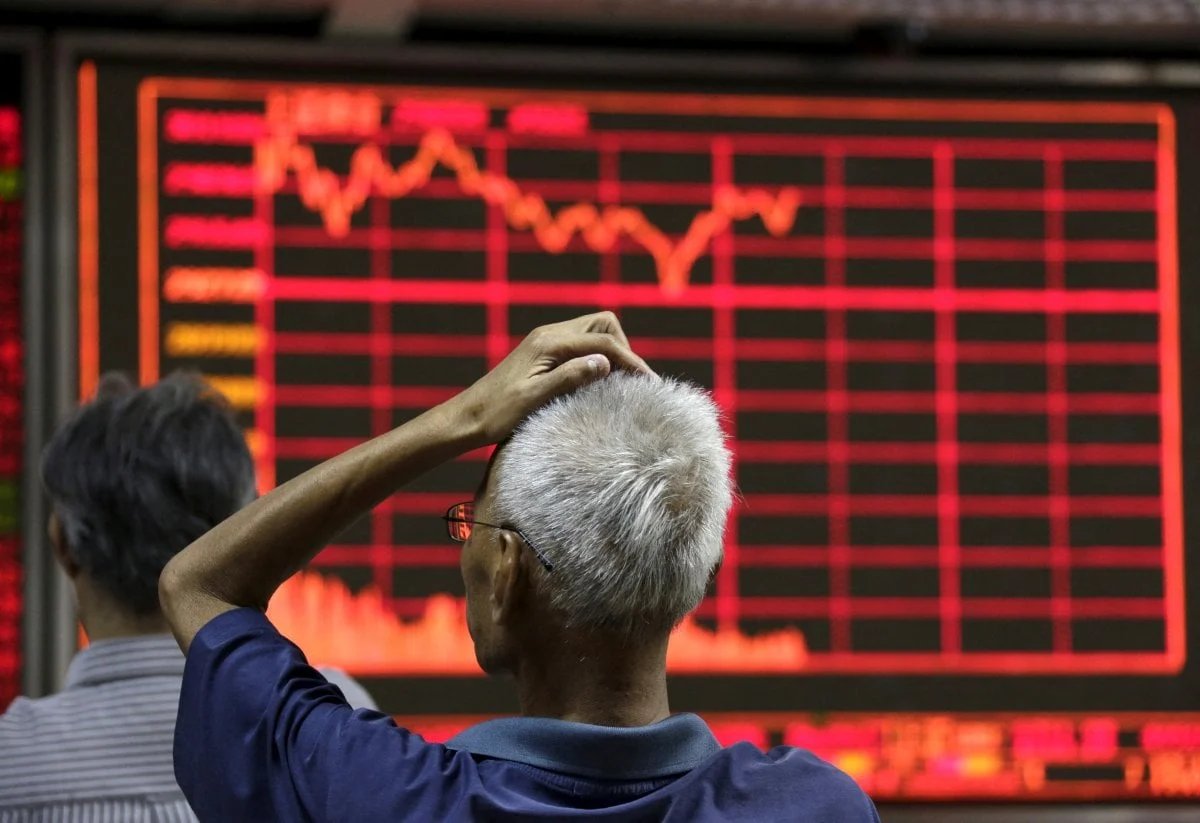
Wall Street is bracing for a wave of market volatility as Americans head to the polls for the U.S. midterm elections, an event historically viewed as a major inflection point for equities. With control of both the House and the Senate hanging in the balance, investors are preparing for a shift in the legislative landscape that could fundamentally alter the trajectory of fiscal policy, regulatory oversight, and corporate taxation.
Historically, midterm elections serve as a “reset” button for the markets. Data from the past several decades shows that equities often experience significant turbulence leading up to election day, driven by uncertainty regarding potential policy gridlock. However, market analysts point to a consistent trend: once the results are finalized and the political path forward becomes clear, the S&P 500 has a strong track record of rallying. Investors generally favor the predictability that comes with a divided government, as it tends to curb radical legislative overhauls.
“The market hates uncertainty more than it hates a specific policy outcome,” said one senior equity strategist. “If we see a split Congress, the probability of major tax hikes or sweeping new regulatory frameworks drops significantly. That is the kind of ‘do-nothing’ environment that Wall Street often interprets as a green light for risk assets.”
The primary focus for institutional investors remains the impact on key sectors. Energy, healthcare, and technology firms are currently under the microscope. A shift in congressional power could signal a move away from current clean-energy subsidies or, conversely, a crackdown on “Big Tech” antitrust efforts. Similarly, pharmaceutical companies are watching closely to see if the current administration’s focus on drug price negotiation will face stiff legislative opposition or remain a top priority.
Beyond sector-specific impacts, the overarching macroeconomic environment—defined by persistent inflation and the Federal Reserve’s aggressive interest rate cycle—remains the dominant force. Analysts warn that while the midterms will capture headlines, the market’s ultimate direction will likely still be dictated by the central bank’s ability to engineer a “soft landing.” A fiscally conservative Congress, potentially less prone to large-scale deficit spending, could ironically help the Fed’s efforts by cooling demand, though this remains a point of intense debate among economists.
As counting begins, volatility indexes are expected to spike. Investors are advised to remain vigilant, as the possibility of contested outcomes or extended delays in finalizing seat tallies could prolong the market’s “wait-and-see” approach. Whether the result is a sweeping change or a narrow shift in power, the consensus on the trading floor is clear: the post-election landscape will be defined by how corporate leadership navigates a new era of political checks and balances, potentially setting the tone for equity performance well into the next calendar year.
Disclaimer: This content is auto-generated for informational purposes only.
Source: Read Original News