






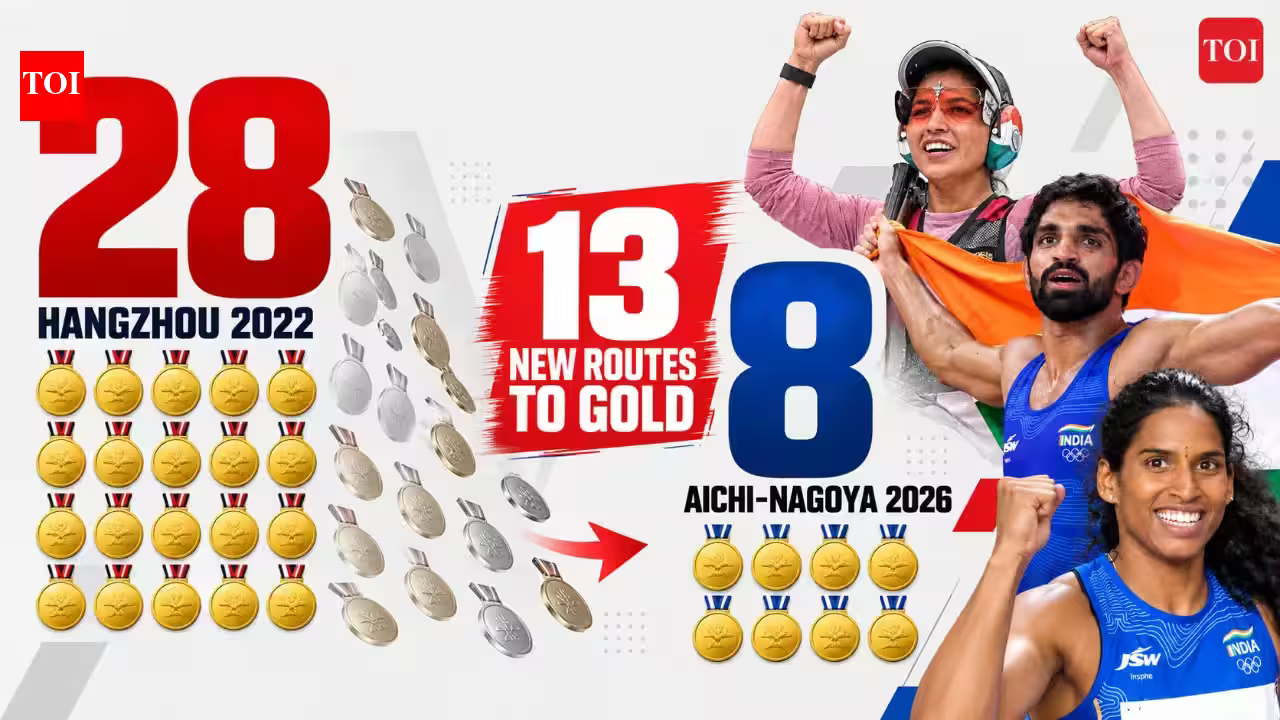
RETENTION and renewal defined India’s campaign at the Aichi-Nagoya Asian Games, a performance that proved far more complex than a simple pursuit of repeating the magic of Hangzhou 2022. While India secured 28 gold medals in Hangzhou, the four-year cycle saw a dramatic recalibration of the nation’s medal map. Of those original 28 titles, only eight were successfully defended—a 28.6 per cent retention rate that initially draws focus to what was lost, but deeper analysis reveals a nation diversifying its dominance across the continental stage.
The Great Gold Shift: A Changing Landscape
The narrative of Aichi-Nagoya is not one of decline, but of transition. Twenty titles changed hands, with the most significant upheaval occurring in the sporting powerhouses that fueled India’s record-breaking run four years ago. All seven shooting golds from Hangzhou were surrendered, every athletics title changed ownership, and the two individual compound archery crowns slipped away.
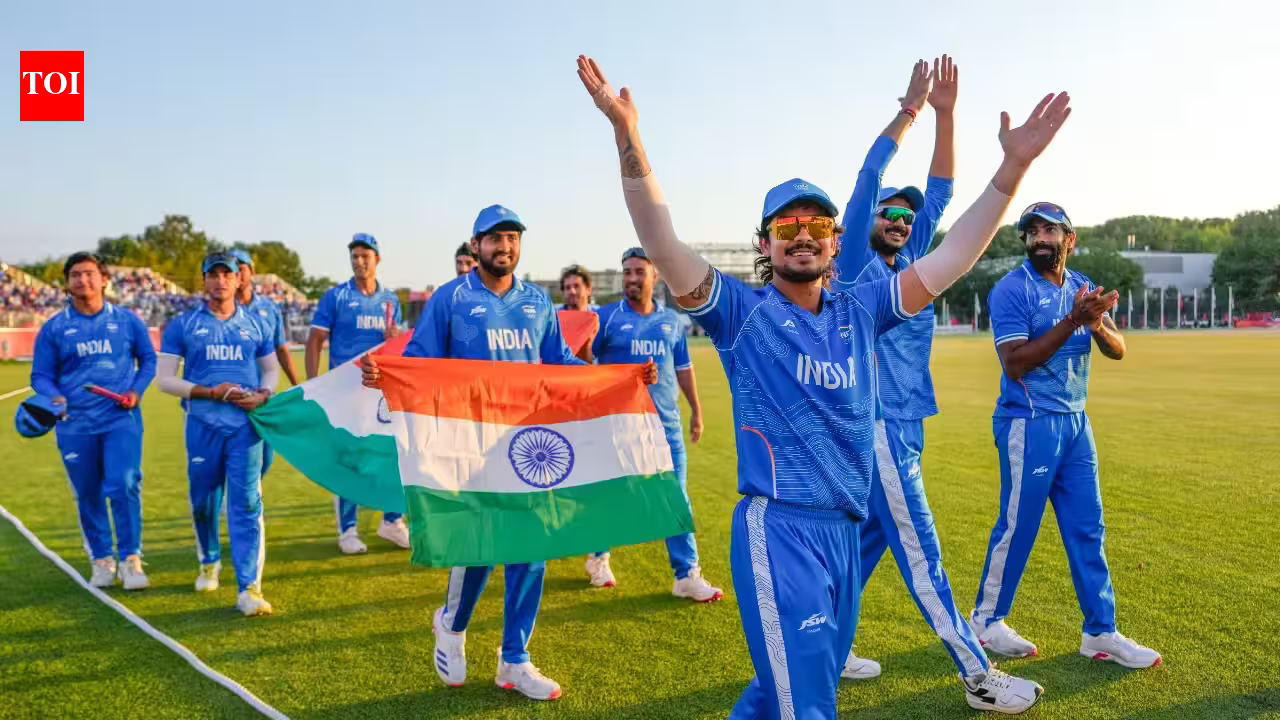
Yet, to judge the campaign by title defense alone is to miss the broader success. India maintained its grip on team-based disciplines, retaining all three compound archery team titles, both kabaddi golds, both cricket titles, and the prestigious men’s hockey crown. The remaining golds in Aichi-Nagoya were snatched by a fresh wave of talent, with many athletes who stood on the second or third step of the podium in Hangzhou stepping up to claim gold in Japan, or securing victories in events where India had previously been a non-factor.
Shooting and Athletics: From Volume to Versatility
Shooting remained a vital contributor, though the complexion of the haul altered significantly. With the seven Hangzhou golds gone, India pivoted, finding new success through Neeru Dhanda’s victory in the women’s trap and the mixed trap event. While the total medal tally in shooting dipped from 22 to 15, the diversity of the successes—including a historic bronze in mixed skeet—demonstrated an evolving program.
Athletics followed a similar trend. While the six gold medals of Hangzhou narrowed to just one in Japan—captured by the women’s 4x400m relay team—the depth of the squad remained evident. India secured 23 medals outside of the gold category, proving that while top-tier consistency fluctuated, the sheer volume of podium finishes remained a testament to the country’s rising athletic infrastructure.
Hockey and Combat Sports: Breaking New Ground
The standout triumph of the Games came on the hockey pitch. While the men defended their title with a 5-1 thrashing of Malaysia, the women’s team authored a historic chapter, defeating reigning champions China 1-0 to claim their first Asian Games gold in 44 years. This double-gold achievement—a first for Indian hockey at the Asian Games—also served as a golden ticket to the Los Angeles 2028 Olympics.
Boxing and wrestling also saw significant leaps. Boxing, which yielded no gold in Hangzhou, surged to three titles in Aichi-Nagoya, led by Lovlina Borgohain, who upgraded her previous silver to gold. Wrestling mirrored this upward trajectory, securing two golds, two silvers, and two bronze medals, with Aman Sehrawat and Sujeet Kalkal leading the charge on the mats.
New Frontiers and Missing Records
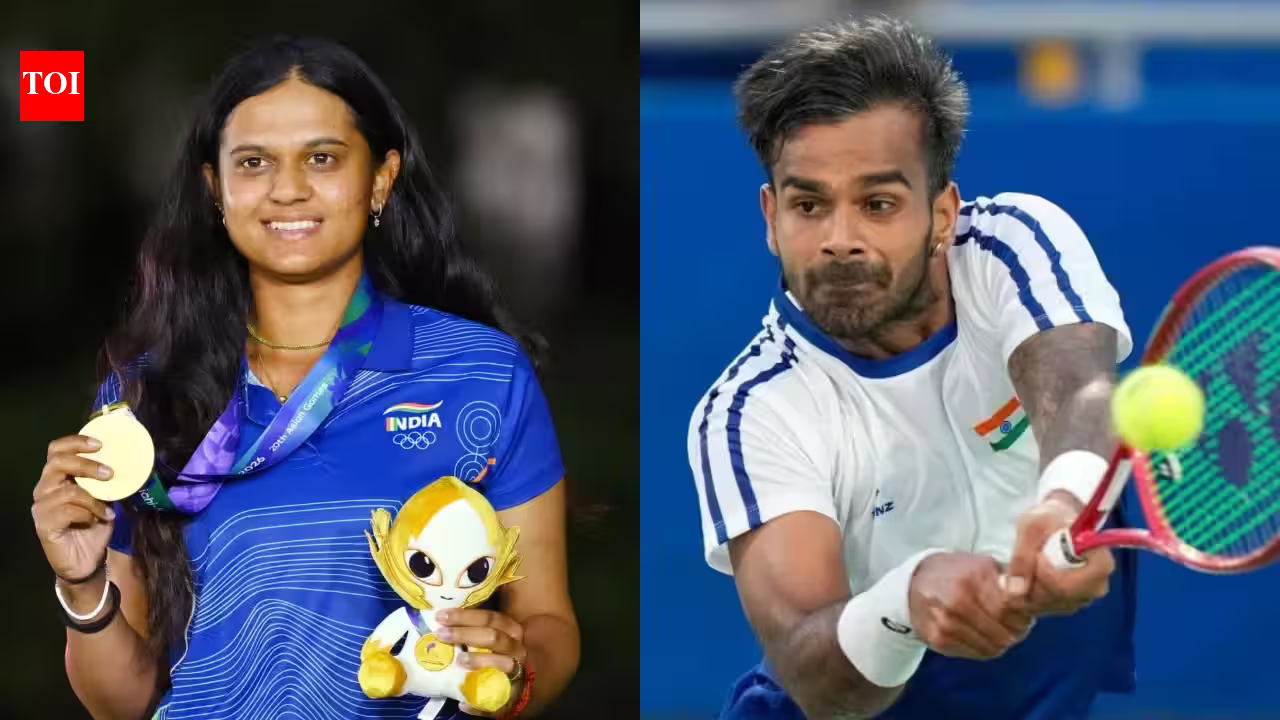
The shifting nature of the Games was underscored by entries in new disciplines. India celebrated its first-ever Asian Games medals in Mixed Martial Arts, courtesy of Suchika Tariyal, and in soft tennis, via Jay Meena. Meanwhile, long-standing droughts were broken; Mirabai Chanu secured a silver in weightlifting, ending a 28-year wait for a medal in the sport, and Pranavi Urs became the first Indian woman to win an individual Asian Games golf title, ending a 24-year drought for the nation in that event.
However, the change also brought disappointment. The 36-year medal streak in tennis came to a crashing halt, and the equestrian team, which had tasted glory in Hangzhou, returned empty-handed. Furthermore, the absence of sports like chess and bridge—which were not part of the Aichi-Nagoya program—contributed to the fluctuation in the overall count.
The Verdict: A Broader Foundation
Ultimately, the 2026 campaign was defined by 13 golds coming from events where India had previously been excluded from the top spot or had struggled to medal at all. While the reliance on a few core sports like shooting and athletics for a bulk of the gold count was a feature of the Hangzhou era, Aichi-Nagoya highlighted a more distributed, resilient, and expanding sporting culture.
India did not simply fail to defend its previous achievements; it fundamentally rebuilt its roadmap. With 13 new routes to gold successfully navigated, the Indian contingent has signaled that while the faces and events may change, the nation’s appetite for success on the continental stage is only growing. The shift from a concentrated medal haul to a more varied, widespread performance suggests that Indian sports is moving toward a more sustainable and versatile future.
Disclaimer: This content is auto-generated for informational purposes only.
Source: Read Original News